Author: admin

  • Passive Income Ideas Online: The Complete Beginner’s Guide to Building Digital Wealth

    Introduction

    Exploring passive income ideas online has become one of the smartest ways to secure long-term financial stability in the digital age. With technology reshaping how people earn and spend money, opportunities to generate recurring online income are now more accessible than ever.

    Whether you’re trying to escape the limitations of a traditional job or simply diversify your income streams, online passive income can open doors to financial freedom.

    Many beginners assume that passive income requires huge investments or advanced tech skills, but that’s no longer the case.

    Today, everyday individuals can monetize skills, automate digital systems, and earn income around the clock, often starting with little or no upfront cost. From content-driven monetization to automated e-commerce and digital assets, online earning possibilities continue expanding.

    However, passive income is not magic. It involves setup, strategy, and consistency. The reward is simple: when done correctly, you create digital systems that keep generating revenue even when you’re not actively working.

    This guide dives deep into the most effective passive income methods available today, providing steps, examples, and insights to help you begin your digital earning journey with confidence.

    Let’s break down the top passive income ideas that work in 2025 and beyond.

    What Makes Passive Income Online So Attractive?

    There’s a reason more people are pursuing passive income ideas online than ever before. Unlike traditional jobs that rely entirely on trading hours for money, passive income leverages digital systems, automation tools, and online platforms to create ongoing revenue streams.

    First, online passive income provides unmatched flexibility. Whether you’re a busy parent, a full-time employee, or a student, digital income systems can run in the background while you focus on other priorities. This flexibility allows you to scale your efforts at your own pace.

    Second, digital passive income has relatively low startup costs. Instead of investing thousands in physical products or real estate, you can start with a laptop, an internet connection, and strategic effort. Many online income streams grow organically and require more creativity than capital.

    Third, the potential for scalability is massive. Digital products and online content can be created once and sold repeatedly without needing to reproduce inventory. Automated systems allow you to serve thousands of customers without increasing labor.

    Finally, passive income serves as a safety net. In uncertain economic climates, having multiple revenue streams offers financial security and peace of mind. Online earning opportunities help diversify your income and reduce dependence on a single employer.

    10 Best Passive Income Ideas Online

    1. Create and Sell Digital Products

    Creating digital products is one of the most profitable and scalable passive income ideas online. Once you design a product, such as an ebook, online course, printable, or template, you can sell it repeatedly without additional production costs.

    digital workspace showing tools for passive income ideas online

    Digital products are ideal for experts, creatives, and educators looking to monetize their knowledge. For example, an ebook on mindset, a fitness meal plan, or Canva templates can generate ongoing sales. Platforms like Etsy, Gumroad, and Shopify make distribution simple.

    Another benefit is that digital products often require minimal customer support. Many creators build automated email sequences that deliver the product instantly after purchase, making the experience seamless for both seller and buyer.

    While it takes upfront effort to design, edit, and market the product, the long-term reward is recurring revenue. With a strong marketing plan and consistent traffic, digital products can become a reliable source of passive income.

    2. Affiliate Marketing

    Affiliate marketing remains one of the most beginner-friendly and powerful passive income ideas online. You promote other companies’ products through unique referral links and earn commissions for every sale.

    One of the biggest advantages is that you don’t need to create your own products. You simply share valuable recommendations through blogs, YouTube videos, email newsletters, or social platforms. When a user purchases through your link, you earn money.

    To grow your income, focus on niche-specific content. For example, a fitness blogger can promote supplements, workout gear, or health programs. Consistency is key—publishing high-quality content boosts trust and engagement.

    Many affiliate programs offer generous commission rates. Amazon Associates, ClickBank, Rakuten, and ShareASale are popular platforms. Once your content ranks well or circulates through social channels, your affiliate links can generate revenue passively for years.

    3. Print-on-Demand Stores

    Print-on-demand is a hands-off e-commerce model perfect for beginners. Instead of buying inventory, you upload designs onto products like T-shirts, mugs, and phone cases. A third-party provider prints and ships the items when customers purchase them.

    This business model eliminates upfront costs and storage issues. You only pay for production when someone buys your merchandise. Platforms like Printify, Redbubble, and Teespring allow creators to start quickly.

    The key to success is niche-focused designs. For example, designs based on hobbies, quotes, or pop culture tend to sell well. You can use Canva to create designs without needing graphic design experience.

    Once your store gains traction, it becomes a passive income machine. Some sellers earn hundreds or thousands monthly from viral designs created years ago. Automation tools handle fulfillment, making this a sustainable way to earn online.

    4. Blogging for Long-Term Revenue

    Blogging is one of the most sustainable passive income ideas online because it combines content creation with multiple monetization streams. You can earn through display ads, affiliate links, sponsored posts, and digital products.

    Even though blogging requires upfront effort, writing articles, building SEO, and driving traffic, the long-term reward is ongoing income. A well-ranking blog post can generate revenue for years.

    To succeed, focus on creating valuable, SEO-optimized content that solves readers’ problems. For example, tutorials, product reviews, and how-to guides perform exceptionally well. Tools like WordPress and RankMath simplify optimizing your site.

    With time, quality blogs attract loyal audiences and brands eager to partner with you. This makes blogging both a creative outlet and a passive income generator with unlimited potential.

    5. YouTube Automation Channels

    YouTube automation involves creating videos without showing your face. You can outsource tasks such as scriptwriting, voiceovers, editing, and thumbnails, all while building a monetized channel.

    Popular niches include finance, tech reviews, travel, and motivational content. Once your videos gain traction, you can earn through ad revenue, affiliate links, sponsorships, and digital products.

    This model is scalable because you can delegate tasks and focus on strategy. Channels with evergreen content continue earning money for years as viewers keep watching.

    Although monetization takes time, requiring 1,000 subscribers and 4,000 watch hours, the results can be life-changing once your backlog of videos generates passive income.

    6. Stock Photography & Videos

    If you enjoy photography or videography, selling stock content is a lucrative way to earn passive income. Platforms like Shutterstock, Adobe Stock, and Pexels allow contributors to upload images and videos that businesses purchase for marketing.

    camera and lighting used for passive income ideas online

    High-demand categories include business scenes, lifestyle images, seasonal themes, and technology. With consistency and creativity, your portfolio can turn into a recurring revenue source.

    This passive income method is ideal for creatives looking to monetize their work. Once uploaded, your photos can generate income indefinitely, making it one of the more enjoyable online revenue streams.

    7. Online Course Creation

    Sharing your expertise through online courses is a powerful way to earn recurring income. Platforms like Udemy, Skillshare, and Teachable make it easy to create professional-quality courses without advanced technical skills.

    Courses can cover topics like graphic design, freelancing, nutrition, AI tools, or personal development. The more niche your course, the better it performs.

    Once your course gains traction, student enrollments create passive revenue. Many instructors earn thousands monthly from courses created years earlier. With the rise of remote learning, online education continues to grow.

    8. Selling eBooks

    Ebooks are a fast and low-cost way to turn your knowledge into recurring income. Whether you write fiction, self-help, or how-to guides, platforms like Amazon Kindle Direct Publishing make publishing simple.

    Ebooks are ideal because they have no printing or shipping costs. Once published, you can earn royalties indefinitely from global readers. Promoting your ebook through a blog or social media increases visibility.

    Many successful authors create series or companion workbooks to increase income. With strategic marketing and compelling content, ebooks can become a significant passive income stream.

    9. Invest in Dividend Stocks Online

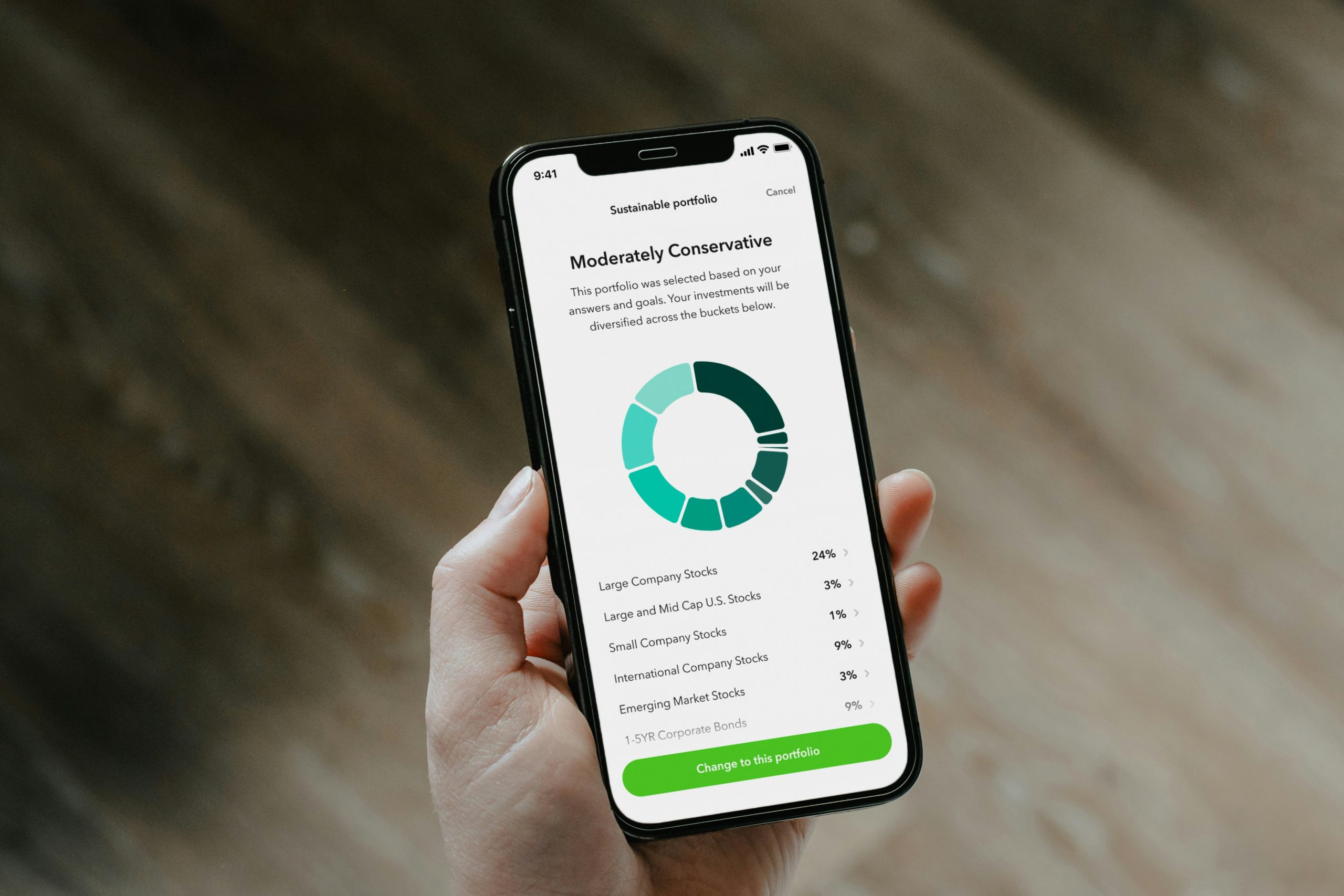
    Dividend investing is one of the most traditional yet effective passive income ideas online. When you buy shares in dividend-paying companies, you earn regular payouts simply for holding the stock.

    Brokerage platforms like Fidelity, Robinhood, or Vanguard allow beginners to start with small investments. Over time, reinvested dividends accelerate growth through compound interest.

    This method requires patience but offers long-term stability. Dividend investing is ideal for those seeking predictable, hands-off income.

    10. Build a Membership Site

    Membership sites offer exclusive content or tools to paying subscribers. Examples include fitness coaching communities, business templates, or premium newsletters.

    With platforms like Kajabi and MemberPress, you can create subscription-based content with ease. Membership sites provide recurring monthly income and build deep audience relationships.

    The key is delivering value and maintaining consistency. Once your membership grows, recurring payments accumulate into a strong passive income engine.

    Conclusion

    Building wealth through passive income ideas online is no longer a dream reserved for tech experts or full-time entrepreneurs. Today, anyone with determination, creativity, and a willingness to learn can create digital systems that generate income around the clock. Whether you choose digital products, affiliate marketing, print-on-demand, or dividend investing, each method offers unique advantages that grow over time.

    The key is consistency. Passive income isn’t instant; it’s built through intentional efforts that later reward you with long-term freedom. By starting small, experimenting with different online models, and scaling what works, you’ll develop reliable income streams that support your financial goals.

    Remember, every successful online earner started as a beginner. Your journey begins with your first step.

    As you continue exploring these strategies, stay focused on building assets, improving your skills, and choosing income paths aligned with your strengths. With patience and creativity, your digital income will grow, giving you more control over your lifestyle and financial future.

    Useful Resources

    To deepen your knowledge and explore additional online earning opportunities, here are two trustworthy resources worth checking out. The Smart Passive Income blog offers in-depth guides, tutorials, and case studies to help you build a sustainable online income Smart Passive Income.

    You can also explore HubSpot’s comprehensive library of digital marketing resources, which provides insights on traffic growth, email marketing, and content strategy HubSpot Resources. Both platforms offer high-value insights that complement your passive income journey.

    Product Recommendation


    The “Copy Paste Profit” System:
    How To Start An Online Referral Business

    And Land Consistent Daily Commissions Without Creating A Product or Building A Website

  • Freelance Jobs for Beginners — Your Complete 2025 Starter Guide

    Freelance Jobs for Beginners — Your Complete 2025 Starter Guide

    Freelance jobs for beginners have exploded in popularity over the last few years as millions of people look for flexible work-from-home options that don’t require years of experience.

    Thanks to remote work trends and digital platforms, it’s easier than ever to find simple freelance jobs that pay well and help new freelancers gain confidence.

    Whether you’re a student, stay-at-home parent, or a professional looking for a career switch, freelancing can open doors to earning online almost immediately.

    The appeal is clear: low barriers to entry, flexible schedules, global clients, and limitless earning potential. Many people start with basic skills such as writing, data entry, or graphic design and gradually move into higher-paying specialties as they learn and grow.

    That means you don’t need advanced technical skills or a degree to begin — you just need curiosity, willingness to learn, and consistency.

    In this guide, you’ll explore the best freelance jobs for beginners, along with the skills you need, the platforms that hire newcomers, and the practical steps to build your first portfolio.

    You’ll also discover common mistakes to avoid and strategies to help you grow from a beginner to an in-demand freelancer. By the end of this article, you’ll have a clear roadmap to turning freelancing into a reliable, scalable source of income.

    Why Freelance Jobs for Beginners Are More Accessible Than Ever

    Freelancing has become a mainstream career option, and much of that growth comes from the increased accessibility of online work. More companies now outsource tasks to freelancers to cut costs, access global talent, and scale projects quickly.

    This trend has opened an extraordinary number of freelance jobs for beginners in fields like writing, design, data entry, social media, and virtual assistance.

    Another reason freelancing is more accessible is the evolution of learning tools. Free online resources, tutorials, and beginner-friendly software make it possible to learn new skills without spending money.

    Even better, modern platforms like Fiverr and Upwork now include verification tools, skill badges, and training modules that help beginners stand out.

    Beyond technology, freelancing also offers something traditional jobs often can’t: flexibility. Beginners can start part-time, test different services, and build confidence without quitting their day job.

    This low-risk environment makes freelancing a popular entry point for those seeking financial independence or remote work opportunities.

    Finally, the global shift toward remote work has made clients more open to hiring beginners. As long as you can communicate well, deliver on time, and produce quality results, you can compete with more experienced freelancers in your niche.

    Best Freelance Jobs for Beginners (Keyword Included)

    Below are the most beginner-friendly freelance jobs that require minimal experience yet offer strong income potential. Each section includes insights, practical tips, and examples to help you get started immediately.

    Freelance Content Writing

    Freelance content writing remains one of the easiest freelance jobs for beginners to start because it requires little more than basic writing skills and a willingness to research.

    Freelance jobs for beginners writing content online

    Beginners typically start with simple blog posts, product descriptions, social media captions, or website content. As you gain experience, you can branch into more specialized areas like SEO writing, copywriting, or email marketing — all of which command higher rates.

    To succeed, focus on clarity, structure, and providing valuable information. Many clients don’t expect beginners to be perfect; they want reliability, good communication, and basic grammar skills.

    The more you write, the better you become, and your portfolio will grow naturally with each project. Research popular topics on Google Trends or AnswerThePublic to stay relevant in your writing niche.

    Content writing is also scalable. Beginners often start at lower rates, but over time, high-quality writers can earn between $30 and $150 per article. With consistency, writing is one of the fastest ways to move from beginner to full-time freelancer.

    Virtual Assistance

    Virtual assistance is another excellent freelance job for beginners because it focuses on organizational and communication skills rather than technical abilities.

    A virtual assistant (VA) supports clients with tasks such as email management, scheduling, online research, and basic social media updates. You don’t need advanced software knowledge, just reliability and attention to detail.

    Most VAs begin with general tasks, but the more you learn, the more you can specialize. Niches like Pinterest management, e-commerce assistance, and podcast support are high in demand and pay significantly more.

    Beginners can instantly improve their hireability by learning simple tools like Google Workspace, Canva, or Trello — all of which have free versions.

    VA work is ideal for beginners because it provides stable, recurring income. Clients often keep VAs for months or years, making it easier to build long-term relationships and consistent earnings.

    Social Media Management

    If you enjoy social platforms like Instagram, Facebook, or TikTok, social media management may be one of the most enjoyable freelance jobs for beginners.

    freelance jobs for beginners social media management tools

    Companies need help with content creation, scheduling, comment responding, and basic analytics. Beginners can offer simple packages that include weekly posts, story creation, or hashtag research.

    What makes this job beginner-friendly is that most people already understand how social platforms work. As long as you can create aesthetically pleasing posts using tools like Canva and maintain a consistent posting schedule, you can start earning quickly.

    Over time, you can move into paid advertising, strategy, and brand management as your skills grow.

    Social media management is ideal for creative, outgoing beginners who enjoy staying up-to-date with trends. Clients value personality, creativity, and consistency, qualities anyone can develop.

    Data Entry

    Data entry remains one of the simplest freelance jobs for beginners because it requires minimal training. Tasks often include categorizing information, entering numbers into spreadsheets, transcribing handwritten documents, or updating company databases. Accuracy and patience are more important than advanced skills.

    While data entry doesn’t pay as much as specialized fields, it provides a reliable starting point for beginners who want to build confidence and experience. Many freelancers use data entry as a stepping stone toward higher-income roles like administrative assistance or transcription.

    The key to success is speed and accuracy. Using keyboard shortcuts, templates, and efficient workflows can significantly improve your earning potential in this field.

    Graphic Design for Beginners

    Thanks to user-friendly tools like Canva, beginner-level graphic design is more accessible than ever. You don’t need advanced Photoshop skills to start offering simple design services. Many clients hire beginners to create social media graphics, Pinterest pins, flyers, or basic branding materials.

    To stand out, focus on clean design, readability, and strong color combinations. You can improve quickly by studying design principles online or watching tutorials.

    As your design eye strengthens, you may choose to learn advanced tools like Adobe Illustrator, which increases earning potential significantly.

    Graphic design is a skill that compounds over time. The more you practice, the better you become. Many beginners eventually transition into web design or full branding services once they develop confidence and a strong portfolio.

    Where to Find Freelance Jobs for Beginners

    Finding freelance jobs online is easier than ever. These platforms are beginner-friendly and offer thousands of opportunities across multiple industries.

    Upwork

    Upwork is a leading freelancing marketplace known for its wide range of job listings. Beginners can create a profile, take skill tests, and apply for small projects to build early reviews. Start with simple tasks, communicate clearly, and deliver on time, and your reputation will grow quickly.

    Fiverr

    Fiverr allows freelancers to set up service “gigs” with fixed pricing. This structure works well for beginners because you don’t need to apply for jobs — clients come to you.

    Create gigs for simple tasks like writing, editing, data entry, or design to start earning quickly.

    Freelancer.com

    Freelancer.com connects beginners with clients who need short-term or one-time tasks. The platform uses a bidding system, which helps beginners compete based on speed, responsiveness, and value.

    Conclusion

    Freelance jobs for beginners offer limitless opportunities to start earning online. With the right mindset, tools, and consistency, anyone can begin freelancing even without prior experience.

    While the learning curve may feel uncertain at first, each project builds your confidence, skills, and long-term earning potential.

    What makes freelancing so appealing is its flexibility. You choose your schedule, your clients, and the type of work you enjoy most.

    Whether your goal is part-time income or a full-time career, freelancing can grow with you as you develop your strengths. Many beginners start with small tasks and gradually move into higher-paying niches as they discover what they love.

    If you’re ready to take control of your financial independence, start with one simple service, build a small portfolio, and create a profile on a freelancing platform.

    You may be surprised how quickly opportunities appear when you commit to learning and delivering great work. Freelancing is a journey. Take the first step today, and let it evolve into something bigger than you imagined.

    Resources Section

    For readers looking to expand their freelancing knowledge, two trusted resources can offer additional guidance. The Freelancers Union provides free tools, educational articles, and community support to help new freelancers navigate contracts, clients, and financial planning; explore their resources here: Freelancers Union Resources.

    Another valuable site is HubSpot’s Marketing Blog, which features beginner-friendly tutorials on writing, branding, communication, and online business skills essential for new freelancers; you can dive into their guides at HubSpot Marketing Blog.

    FAQs — Freelance Jobs for Beginners

    1. What are the easiest freelance jobs for beginners to start with?

    Some of the easiest freelance jobs for beginners include content writing, data entry, virtual assistance, social media management, and beginner-level graphic design.

    These roles require minimal technical skills and can be learned quickly through free online resources. Many clients on popular platforms are open to hiring beginners who show enthusiasm, reliability, and strong communication.

    2. Do I need previous experience to start freelancing?

    No prior experience is required to begin freelancing. Many beginners start by creating their own sample projects, such as writing blog posts, designing social graphics, or completing simple data entry tasks to build a portfolio. Demonstrating initiative and a willingness to learn can be just as valuable as experience.

    3. How much can beginners realistically earn in their first month?

    Beginner earnings vary depending on the type of work, time invested, and platform activity. Many beginners earn between $50 and $500 during their first month as they build their profiles and attract initial clients.

    Income typically increases over time as you collect reviews, improve your skills, and specialize in higher-value services.

    4. Which freelancing platform is best for beginners?

    Fiverr and Upwork are generally the most beginner-friendly platforms. Fiverr allows new freelancers to create fixed-price gigs without applying for individual jobs, while Upwork offers a large selection of entry-level tasks and long-term opportunities. You can experiment with both platforms to see which suits your style and services.

    5. How do I choose the right freelance skill to start with?

    Start by identifying your strengths and interests. If you enjoy writing, try content writing; if you’re organized, consider virtual assistance; if you like design, begin with Canva-based graphics.

    The key is to choose a skill that feels natural and enjoyable so you can develop it consistently over time. You can always add more services later.

    6. How can beginners stand out in a competitive freelancing marketplace?

    Beginners stand out by focusing on professionalism, communication, and consistency. A clear profile, well-written bio, and simple portfolio samples make a strong first impression.

    Responding quickly to messages, delivering high-quality work, and asking thoughtful questions during the project builds trust with clients and sets you apart from others.

    PRODUCT RECOMMENDATION

    Product Name: Digital Nomad eBook
    E-books

    Description: The Digital Nomad eBook is an invaluable resource that you can promote and share with your audience to help them embrace the exciting world of location independence. This comprehensive guide is designed to empower individuals seeking to break free from traditional work constraints and embark on their own nomadic adventures.

  • Sell Digital Products Online: Your 2025 Success Guide

    Sell Digital Products Online: Your 2025 Success Guide

    What Does It Mean to Sell Digital Products Online?

    Selling digital products online means offering downloadable or virtual items like ebooks, online courses, software, templates, or printables that customers can instantly access after purchase. Unlike physical goods, digital products eliminate the need for shipping, inventory, or logistics, which makes them ideal for entrepreneurs seeking low overhead and scalable profit.

    With the global digital products market expected to surpass $400 billion by 2030, this model is attracting creators, coaches, and marketers worldwide. Whether you’re a graphic designer selling Canva templates or an educator offering premium courses, digital products can unlock consistent income streams that grow without limits.

    The beauty lies in automation. Once your product is created, you can sell it repeatedly without additional costs, making it one of the most efficient business models in today’s digital economy.

    Why Selling Digital Products Online Matters in 2025

    The demand for online learning, remote work, and digital solutions has never been higher. Consumers now crave instant gratification immediate downloads, streaming, and self-paced learning. This shift positions digital creators perfectly to serve a growing audience ready to pay for knowledge and convenience.

    Platforms like Etsy, Gumroad, and Shopify have democratized selling digital goods, enabling anyone with expertise to launch in hours. Furthermore, tools like ChatGPT and Canva help creators produce ebooks, templates, and courses faster than ever before.

    In 2025, monetizing your expertise through digital products isn’t just an option; it’s a necessity. With global inflation driving more people online for income opportunities, selling digital products becomes the ultimate recession-proof business.

    How to Sell Digital Products Online in 5 Steps

    1. Choose a Profitable Niche

    Start by identifying a problem your audience wants solved. Use keyword tools like Ahrefs, SEMrush, or Ubersuggest to find high-demand, low-competition topics. Popular niches include personal finance, fitness, productivity, design, and education.

    2. Create a High-Value Digital Product

    Focus on transformation. Instead of just selling information, package your product to deliver results like a “30-Day Productivity Planner” or a “Beginner’s Guide to AI Art.” Use tools such as Canva, Notion, or Google Docs to create visually appealing, ready-to-sell products.

    3. Build a Sales Platform

    Use trusted platforms like Gumroad, Shopify, or Podia to host and sell your products. These handle payment processing, downloads, and customer data securely. If you already have an audience, integrate your store with your website or blog using WordPress plugins like WooCommerce.

    4. Automate Marketing & Sales

    Leverage email funnels, social media, and content marketing to promote your digital products. Use tools like ConvertKit or Systeme.io to automate lead nurturing. Set up evergreen campaigns that sell for you 24/7 while you focus on creating new assets.

    5. Optimize for SEO and Conversions

    Incorporate your focus keyword “sell digital products online” strategically across your blog, video, and email content. Add persuasive CTAs, testimonials, and money-back guarantees to boost conversions.

    Top Platforms and Tools to Sell Digital Products Online

    1. Gumroad – Simple, beginner-friendly, and perfect for creators. Handles payments, file delivery, and memberships.
    2. Podia – Ideal for coaches and educators selling courses, downloads, or communities.
    3. Shopify – A powerhouse for scaling digital and physical products with advanced analytics.
    4. Etsy – Great for selling digital art, planners, or printable designs to a massive audience.
    5. ClickFunnels or Systeme.io – For marketers who want to build high-converting funnels and automate sales.
    Best platforms to sell digital products online comparison chart.

    Each of these platforms supports automation, integration with email systems, and built-in analytics making it easier to track performance and scale.

    Monetization Strategies That Scale

    To maximize your revenue, diversify your product ecosystem. Offer upsells (e.g., a course plus workbook), cross-sells (related templates or guides), and subscriptions (exclusive content or monthly resources). Implement pricing psychology—using “$27” or “$47” points for impulse-friendly offers.

    You can also license your digital products for commercial use, creating additional income streams from the same content. Combine this with affiliate marketing—promoting complementary tools in your content—and you’ll stack multiple income sources seamlessly.

    Common Mistakes When Selling Digital Products Online

    Even great creators fall into traps—like underpricing, skipping email marketing, or ignoring customer feedback. Avoid the “build it and they will come” mindset; success depends on consistent promotion and relationship-building.

    Other pitfalls include overcomplicating platforms early on or using poor product design. Always test your download process, preview your files, and ensure copyright compliance. The best strategy? Start small, iterate fast, and let data guide your decisions.

    FAQs About Selling Digital Products Online

    Q1: What are the best digital products to sell in 2025?
    Ebooks, templates, Notion dashboards, AI prompts, and online courses remain top performers.

    Q2: How much can you earn selling digital products?
    Beginners can make $100–$1,000/month, while advanced sellers earn six figures with automation.

    Q3: Do I need a website to sell digital products?
    No—but having one improves SEO, branding, and trust. Platforms like Gumroad work fine initially.

    Q4: What skills do I need?
    Basic design, copywriting, and marketing. AI tools can now handle most technical work for beginners.

    Q5: How do I protect my digital products?
    Use watermarks, download limits, or licensing agreements through your platform’s settings.

    Final Thoughts: Start Selling Digital Products Today

    Selling digital products online isn’t just another side hustle, it’s the foundation of modern entrepreneurship. With minimal upfront cost and infinite scalability, it allows anyone to monetize their knowledge, creativity, and expertise.

    Success from selling digital products online.

    Start small: create one product, launch on one platform, and automate your first sales funnel. Over time, your digital product library becomes a compounding asset that earns around the clock.

    Remember, every download is proof that your knowledge has value, so share it, sell it, and scale it.

    Additional Resources

    If you’re ready to take your digital product business further, explore these trusted resources. Visit the Shopify Digital Product Guide for expert advice on setting up your store, or check out Creative Market to get inspiration and assets for designing professional-quality digital products.

  • Targeted Email Marketing: 10 Powerful Conversion Secrets

    Targeted Email Marketing: 10 Powerful Conversion Secrets

    Introduction: Why Targeted Email Marketing Still Rules Digital Strategy

    In a world dominated by social media ads and fast-scrolling feeds, one timeless channel continues to outperform them all—Targeted Email Marketing. While many businesses chase trends, smart marketers know that a personalized, data-driven email strategy builds lasting relationships and delivers measurable ROI.

    The beauty of Targeted Email Marketing lies in its precision. Unlike broad campaigns that cast a wide net, targeted emails speak directly to the recipient’s needs, interests, and behavior. This laser focus transforms cold leads into loyal customers, boosts open rates, and nurtures long-term trust.

    Email remains one of the highest-converting channels for businesses—generating an average return of $36 for every $1 spent. But success doesn’t come from sending more emails; it comes from sending the right ones. In this guide, we’ll explore the top seven secrets behind high-performing Targeted Email Marketing campaigns and show you exactly how to turn data into meaningful engagement.

    1. Understanding Targeted Email Marketing

    At its core, Targeted Email Marketing is about relevance. Instead of sending one generic message to your entire list, you segment your audience and tailor your content to match their specific preferences, needs, and actions.

    Segmentation can be based on various factors: demographics, location, past purchases, engagement behavior, or even customer lifecycle stage. For example, a new subscriber may receive a welcome sequence introducing your brand, while a loyal customer might get personalized offers or re-engagement emails.

    When done correctly, this approach transforms ordinary email campaigns into a dynamic communication channel that feels personal, not promotional. Recipients are far more likely to engage with content that resonates with their individual interests—making Targeted Email Marketing the foundation of every effective digital strategy.

    2. The Psychology Behind Personalized Emails

    People crave recognition and relevance. When someone opens an email that feels tailored to their needs, it triggers an emotional connection. This is why personalization is the heartbeat of Targeted Email Marketing.

    Personalized subject lines, dynamic product recommendations, and behavior-based automation all tap into the psychology of relevance. For instance, using a subscriber’s name in the subject line can increase open rates by up to 26%, while emails triggered by past purchases or browsing behavior can boost conversions by 70%.

    But personalization goes beyond adding names—it’s about delivering value. A thoughtful email that solves a real problem, educates, or inspires action creates trust. Over time, your audience learns to expect quality communication, not clutter, which strengthens brand loyalty and long-term engagement.

    3. Segmentation: The Backbone of Targeted Email Marketing

    Without segmentation, personalization fails. Dividing your audience into meaningful groups allows you to deliver highly relevant messages that move each recipient closer to conversion.

    Start with basic segmentation, such as demographics (age, gender, or location) or behavior (purchase history, email engagement, or website activity). Over time, you can expand into advanced segmentation based on psychographics—values, interests, and motivations.

    For example, an online fashion brand might segment customers into “frequent buyers,” “sale shoppers,” and “new arrivals enthusiasts.” Each group would then receive customized messaging—exclusive previews for loyal shoppers, discount alerts for budget-minded customers, and trending styles for fashion-forward subscribers.

    Effective segmentation is what makes Targeted Email Marketing powerful. It ensures that every message lands with purpose, relevance, and impeccable timing.

    4. Automation: Scaling Personalization Without Losing the Human Touch

    Automation tools are the unsung heroes of modern email marketing. They allow you to maintain meaningful connections with thousands of subscribers—all while keeping your messaging timely and personalized.

    Automated workflows such as welcome series, cart abandonment reminders, and re-engagement campaigns save time and drive conversions. For instance, cart recovery emails have an average open rate of 45% and can recover up to 10% of lost sales—numbers that can significantly impact your bottom line.

    The secret is to design automation with empathy. Every automated email should feel like a natural extension of your brand voice. Avoid robotic or overly promotional language. Instead, write like a real person offering genuine help or appreciation. This balance of technology and human connection makes Targeted Email Marketing both efficient and emotionally intelligent.

    5. Crafting Irresistible Email Copy

    Even the best segmentation and automation can fall flat without compelling copy. Your email content should immediately capture attention, maintain interest, and drive action.

    Start strong with a subject line that sparks curiosity or promises value like “3 Quick Ways to Double Your Email Response Rate.” Keep your body text concise, conversational, and benefit-driven. Always use a single, clear call-to-action (CTA) to guide the reader.

    Storytelling also works wonders. When you share relatable stories or customer experiences, you transform your message from a sales pitch into an emotional connection. Whether you’re promoting a product launch or a limited-time offer, write as though you’re speaking directly to one person. That’s what Targeted Email Marketing is all about: making mass communication feel one-to-one.

    6. Data Analytics: Turning Insights Into Action

    Data is the compass of every successful marketing campaign. Tracking key performance metrics like open rates, click-through rates, and conversion rates allows you to refine your strategy continuously.

    Modern email platforms provide advanced analytics that go beyond basic numbers. You can measure heat maps, scroll depth, and engagement timelines to understand how subscribers interact with your emails. These insights help you tweak subject lines, adjust send times, or refine your segmentation criteria for better results.

    A/B testing is another powerful tool. Experiment with different headlines, visuals, and CTAs to discover what resonates most. Over time, you’ll build a clear picture of what drives engagement, turning Targeted Email Marketing into a measurable, data-driven success engine.

    7. Compliance and Trust: The Foundations of Sustainable Growth

    Trust is non-negotiable in digital communication. Following privacy laws like GDPR and CAN-SPAM isn’t just about compliance, it’s about respect. When subscribers feel safe sharing their data, they’re more likely to engage with your content and remain loyal.

    Make your unsubscribe link visible, avoid deceptive subject lines, and honor user preferences. Always use double opt-ins to confirm consent. These small steps communicate transparency and professionalism.

    Additionally, invest in secure, reliable email service providers that protect user data. Over time, this transparency builds credibility, ensuring that your Targeted Email Marketing campaigns grow ethically and sustainably.

    8. Measuring Success: Beyond Open Rates

    Many marketers stop tracking success after open and click rates, but real progress runs deeper. Understanding how your campaigns affect long-term retention, revenue per email, and customer lifetime value paints a more accurate picture of impact.

    For instance, if open rates remain steady but unsubscribe rates increase, it may signal content fatigue. Conversely, a modest open rate paired with high conversion means your targeting is precise.

    Evaluate metrics holistically and align them with your goals: brand awareness, lead generation, or repeat purchases. That’s how you refine your Targeted Email Marketing strategy for sustainable success.

    9. The Future of Targeted Email Marketing: AI and Predictive Personalization

    The next frontier of Targeted Email Marketing lies in artificial intelligence (AI). Predictive analytics now allow marketers to anticipate customer needs before they even arise.

    AI can analyze user behavior, predict when someone is most likely to open an email, and recommend personalized products automatically. This hyper-personalization ensures that every touchpoint feels custom-made.

    Imagine sending an email at the exact moment a customer is ready to buy, with the exact product they’ve been considering, that’s the power of predictive personalization. As technology advances, brands that embrace AI-driven Targeted Email Marketing will lead the way in engagement, loyalty, and conversion performance.

    10. Common Mistakes to Avoid

    Even experienced marketers can stumble. Here are some pitfalls to watch out for:

    1. Over-emailing: Sending too many messages can cause fatigue and unsubscribes.
    2. Ignoring mobile optimization: Over 60% of emails are read on mobile devices.
    3. Neglecting testing: Without A/B testing, you’re relying on guesswork.
    4. Generic content: Emails that lack personalization lose impact.
    5. Skipping segmentation: This defeats the purpose of targeted marketing altogether.

    Avoid these mistakes, and you’ll keep your Targeted Email Marketing campaigns both effective and audience-friendly.

    FAQs About Targeted Email Marketing

    1. What is Targeted Email Marketing?
    It’s a strategy that delivers personalized email content to specific audience segments based on data such as demographics, behavior, or purchase history.

    2. How does Targeted Email Marketing increase conversions?
    By sending relevant messages to the right people at the right time, it improves engagement, trust, and ultimately, sales.

    3. Which tools are best for Targeted Email Marketing?
    Platforms like Mailchimp, ActiveCampaign, and HubSpot offer robust segmentation, automation, and analytics features.

    4. How often should I email my subscribers?
    Consistency is key; once or twice a week is ideal. Always prioritize value over volume.

    5. Is Targeted Email Marketing suitable for small businesses?
    Absolutely. Small businesses can benefit from targeted campaigns that nurture leads and build loyal customer relationships on a budget.

    6. What metrics should I track?
    Monitor open rates, click-through rates, conversion rates, and unsubscribe rates to measure success accurately.

    Conclusion: The Power of Precision in Modern Marketing

    In today’s crowded digital landscape, precision wins. Targeted Email Marketing empowers brands to connect with customers on a personal level—building trust, relevance, and measurable results.

    By combining segmentation, automation, analytics, and authentic communication, you create a marketing system that not only converts but also strengthens long-term loyalty. Whether you’re a startup or an established brand, the principles remain the same: understand your audience, deliver value, and stay consistent.

    Every email is an opportunity to connect. Make each one count and watch your Targeted Email Marketing efforts turn subscribers into lifelong advocates.

    External Resource

    For in-depth learning, explore the HubSpot Email Marketing Hub, a trusted resource for professional templates, automation workflows, and performance analytics.

    Product Recommendation

    Email Marketing Demystified: Build a Massive Mailing List, Write Effective Emails, and Generate More Sales by Matthew Paulson — A clear, practical guide to email list building and targeted email campaigns.

    Perpetual Income 365 is a plug-and-play affiliate marketing software created for all levels – newbies to advanced marketers, seeking to enable ordinary people who have zero internet experience make a full-time income through affiliate marketing using our own plug-and-play system.

  • Niche Market: 7 Proven Secrets for Business Success

    Niche Market: 7 Proven Secrets for Business Success

    Introduction

    In today’s crowded digital economy, every entrepreneur is looking for the next big thing, but the real key to success lies in finding a niche market. By focusing on a specific audience with unmet needs, you can create targeted products, build trust, and achieve lasting profitability.

    In this guide, we’ll explore 7 proven secrets for mastering the art of niche marketing from identifying your audience to scaling your business in 2025’s competitive online world.

    1. Understand What a Niche Market Really Is

    A niche market is a focused segment of a larger market with unique preferences, pain points, and buying behavior. Instead of targeting everyone, you concentrate on serving a specific group that values your solution.

    For example:

    • Broad market: Fitness
    • Niche market: Postpartum fitness for new mothers
      This sharper focus helps you stand out, attract loyal customers, and charge premium prices for personalized value.

    2. Secret #1 – Identify Profitable Gaps

    To succeed in a niche market, start with research. Look for audience needs that aren’t being met or areas where existing solutions fall short.

    ✅ Use tools like:

    • Google Trends – To track what’s trending in your industry.
    • Ahrefs / SEMrush – For keyword opportunities.
    • Reddit & Quora – To discover what real people are asking.

    By combining data with curiosity, you’ll uncover untapped niches with low competition and high profit potential.

    3. Secret #2 – Define Your Target Audience

    Every successful niche market strategy begins with clarity about your audience. Create a buyer persona, a fictional representation of your ideal customer that includes:

    • Age, location, income level
    • Interests and motivations
    • Pain points and desired outcomes

    The more you understand your audience, the more precisely you can tailor your products, content, and marketing messages.

    4. Secret #3 – Offer Unique Value

    In a niche market, differentiation is everything. You’re not just selling a product — you’re solving a specific problem in a unique way.

    Here’s how to stand out:

    • Develop specialized knowledge or expertise.
    • Offer personalized experiences or bundles.
    • Build a strong personal brand that connects emotionally.

    When people feel like your product is made just for them, they’re more likely to buy and remain loyal.

    5. Secret #4 – Build Authority in Your Niche

    To gain trust, position yourself as an authority in your chosen niche market. You can achieve this through:

    • Blogging or creating educational videos
    • Hosting webinars or podcasts
    • Guest posting on reputable websites
    • Publishing case studies and testimonials

    The more visible and credible you become, the easier it is to attract organic leads and referrals.

    6. Secret #5 – Leverage Digital Marketing

    Once you’ve identified your niche market, promote your offerings using targeted digital strategies:

    ChannelStrategyPurpose
    SEOOptimize for long-tail keywordsIncrease organic visibility
    Email MarketingSend tailored campaignsBuild loyalty and trust
    Social Media AdsUse lookalike audiencesReach highly relevant users
    Influencer PartnershipsCollaborate within your nicheBoost credibility fast

    💡 Pro Tip: Focus your marketing efforts on 1–2 high-performing channels before expanding.

    7. Secret #6 – Test, Optimize, and Scale

    Success in a niche market requires consistent testing and improvement. Analyze what works from your ad copy to product design and refine accordingly.

    Tools like Google Analytics, Hotjar, and A/B testing platforms help track customer behavior and optimize conversion rates. Once you’ve validated your model, reinvest profits into scaling new products, larger audiences, or international markets.

    8. Secret #7 – Monetize Through Affiliate & Info Products

    One of the best-kept secrets in niche marketing is monetization diversification.
    After building trust with your audience, expand your income streams with:

    • Affiliate marketing (promoting products for commissions)
    • Online courses and eBooks
    • Subscription communities

    This not only stabilizes income but also strengthens your reputation as a trusted source in your field.

    FAQs

    1. What is a niche market in business?
    A niche market focuses on a specific customer segment with specialized needs, offering tailored products or services.

    2. Why is niche marketing profitable?
    It reduces competition, builds customer loyalty, and allows premium pricing through targeted solutions.

    3. How do I find a good niche market?
    Research trends, analyze competitors, and listen to your audience’s biggest challenges.

    4. What are examples of niche markets?
    Vegan skincare, eco-friendly baby products, and pet technology accessories are popular niches in 2025.

    5. How can I promote my niche business?
    Leverage SEO, social media, and influencer marketing to reach specific audiences efficiently.

    6. What is the main risk of a niche market?
    Over-narrowing your focus always ensures your audience is large enough to sustain growth.

    Conclusion

    Building a successful online business isn’t about appealing to everyone; it’s about understanding someone deeply. The power of a niche market lies in precision: focusing on a specific audience that shares the same problem, passion, or lifestyle.

    When you know exactly who you’re serving, you can create solutions that resonate on a personal level, and that’s where true profitability begins.

    In today’s ever-evolving digital space, the entrepreneurs who thrive are those who specialize rather than generalize. A niche market allows you to cut through the noise, establish authority faster, and connect authentically with customers who genuinely value your expertise.

    Whether you’re selling physical products, digital services, or affiliate offers, the principles remain the same: define your audience, deliver value consistently, and keep refining based on feedback.

    Don’t be afraid to start small. Some of the most successful brands began with ultra-specific niches, from eco-friendly yoga gear to productivity tools for freelancers. The key is to dominate your corner of the market first, then expand strategically.

    As you grow, focus on relationship-building over reach. The deeper your understanding of your audience, the more loyal they become — turning your brand into a trusted authority within your niche.

    So, whether you’re launching your first business or refining an existing one, remember this golden rule:
    👉 Find your niche, master it, and scale it with strategy.

    Your niche market could be the foundation of a thriving, future-proof business — one that not only generates income but also creates lasting impact in people’s lives.

    Start today by researching, testing, and connecting with your ideal audience. Success doesn’t come from reaching everyone — it comes from deeply serving the right ones.

    🔗 Useful Resources

    To dive deeper into building a profitable niche market business, explore Shopify’s Niche Market Guide for expert insights on identifying lucrative audiences. Finally, check out HubSpot’s Marketing Statistics Hub to stay updated on the latest data shaping digital marketing trends in 2025.

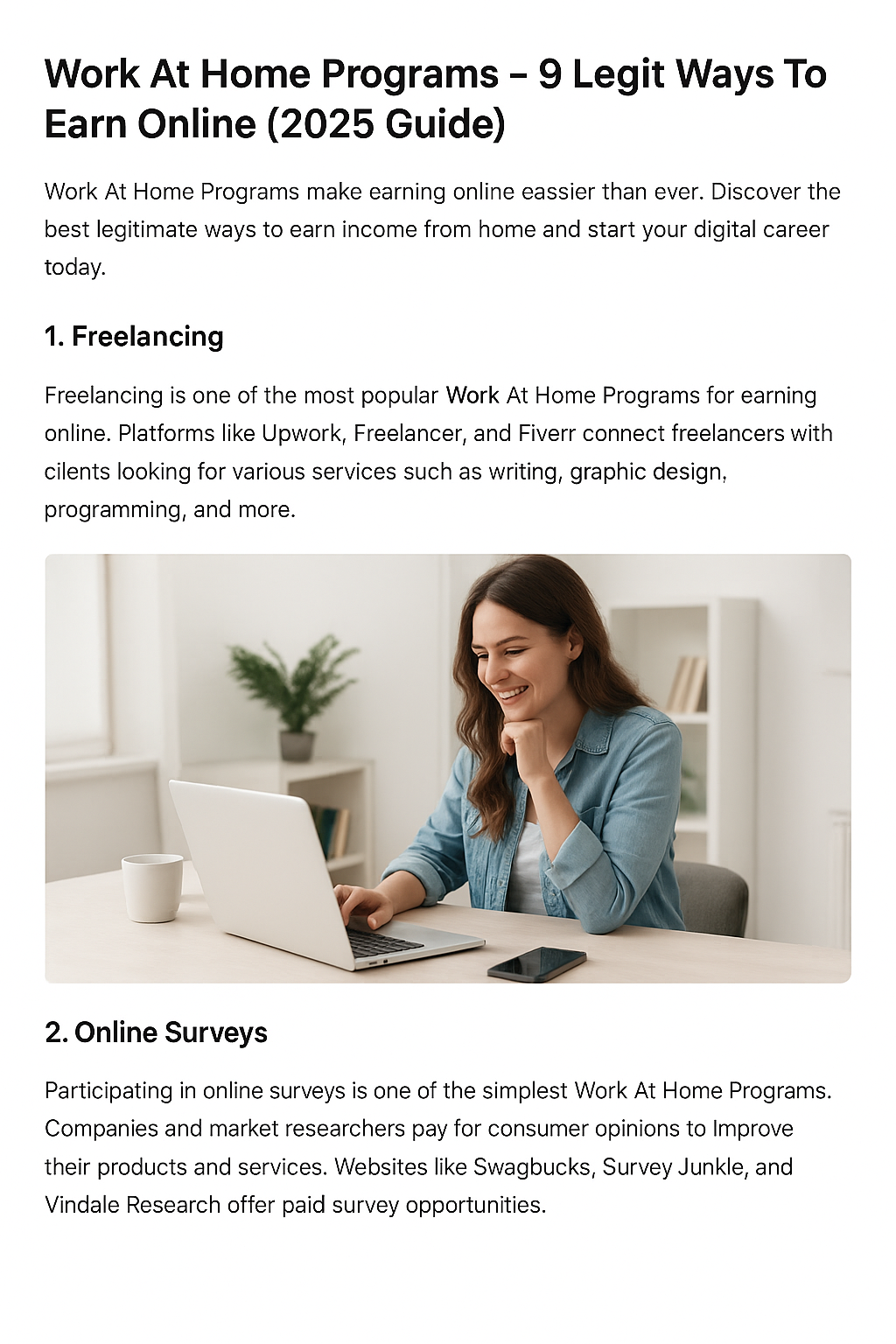
  • Work At Home Programs – 9 Legit Ways To Earn Online (2025 Guide)

    Work At Home Programs – 9 Legit Ways To Earn Online (2025 Guide)

    Introduction: The Rise of Work At Home Programs

    The way we work has transformed drastically over the past decade, and Work At Home Programs are now more popular than ever. From freelancing to remote corporate jobs, millions of people are discovering legitimate ways to earn a full-time income right from their living rooms.

    Whether you’re a stay-at-home parent, a student, or someone seeking flexible income streams, there are countless opportunities waiting for you.

    This 2025 guide explores the top nine legitimate Work At Home Programs that can help you achieve financial stability while maintaining the work-life balance you deserve.

    1. Understanding Work At Home Programs

    Work At Home Programs are structured opportunities that allow individuals to earn money remotely, often leveraging the internet and digital tools. These programs can range from freelance gigs and virtual assistant roles to affiliate marketing and e-commerce ventures.

    The key advantage is flexibility—working when and where you want while building a sustainable income stream tailored to your skills and interests.

    2. Benefits of Working from Home

    • Flexible schedule: You choose your hours.
    • Zero commute: Save time and money daily.
    • Increased productivity: Work in a comfortable environment.
    • Cost savings: Fewer expenses on transport, meals, and wardrobe.
    • Work-life balance: Spend more time with family and pursue hobbies.

    In 2025, more companies than ever are embracing hybrid and remote setups, making these benefits accessible to millions worldwide.

    3. 9 Legit Work At Home Programs in 2025

    Let’s explore the most reliable and profitable Work At Home Programs available today.

    1. Freelancing

    Freelancing remains one of the best Work At Home Programs for individuals with marketable skills. Platforms like Upwork, Fiverr, and Freelancer connect professionals with clients needing services such as:

    • Graphic Design
    • Content Writing
    • Programming
    • Video Editing
    • Social Media Management

    With consistency and quality work, freelancers can build a six-figure annual income without ever stepping into an office.

    2. Online Surveys and Market Research

    Participating in surveys is a simple way to earn extra cash. Companies value consumer opinions to shape their products and services.
    Reputable survey sites include:

    • Swagbucks
    • Survey Junkie
    • Vindale Research

    While this may not replace a full-time job, it’s an easy entry point for beginners exploring work-at-home programs.

    3. Virtual Assistant Services

    Businesses, especially small ones, need help managing administrative tasks. As a Virtual Assistant (VA), you can perform duties like scheduling, data entry, email management, and customer service.

    Websites like Belay, Time Etc, and Zirtual offer opportunities for virtual assistants to connect with busy entrepreneurs.

    4. Affiliate Marketing

    Affiliate marketing lets you earn commissions by promoting products or services. You share affiliate links through blogs, social media, or YouTube. When someone buys through your link, you earn a percentage of the sale.

    Popular affiliate networks:

    • Amazon Associates
    • ShareASale
    • ClickBank

    The beauty of this program is that you earn passive income even when you’re not actively working.

    5. Remote Customer Support

    Many companies outsource customer support to remote workers. If you have good communication skills, you can join customer service teams for companies like Apple, Liveops, or Amazon.

    Shifts are flexible, making this ideal for parents or students.

    6. Content Creation (YouTube, Blogging, Podcasting)

    Creating valuable content online can generate income through ads, sponsorships, and memberships. Whether you blog about travel, teach skills on YouTube, or host a podcast, consistency is key.

    Monetization options:

    • Google AdSense
    • Affiliate links
    • Brand sponsorships

    Many creators start part-time but eventually turn content creation into full-time income.

    7. Online Tutoring and Teaching

    Education has gone digital, and online tutoring is booming. Platforms like VIPKid, Chegg Tutors, and Preply connect you with students worldwide.

    Subjects range from English and math to music and coding. Teachers can set their own schedules and earn anywhere from $15 to $60 per hour.

    8. Dropshipping and E-commerce

    With dropshipping, you sell products without maintaining inventory. When customers place orders, your supplier ships items directly to them.

    Platforms like Shopify and WooCommerce make it easy to launch a store. Combine dropshipping with social media marketing for excellent results.

    9. Remote Tech Jobs

    If you have technical skills, remote tech jobs are among the most lucrative Work At Home Programs. Positions include:

    • Software Development
    • Data Analysis
    • Cybersecurity
    • IT Support

    Many tech companies now offer fully remote positions with salaries exceeding $80,000 annually.

    4. Setting Up Your Home Office

    To succeed in Work At Home Programs, create a workspace that promotes focus and comfort.
    Essentials include:

    • Ergonomic chair and desk
    • Reliable internet connection
    • Noise-canceling headphones
    • Time-tracking and project management tools (like Trello or Asana)

    5. Avoiding Online Scams

    Sadly, not all work-from-home offers are legitimate. Protect yourself by avoiding:

    • Jobs requiring upfront payments
    • “Get-rich-quick” schemes
    • Unverified recruiters or vague job descriptions

    Stick to reputable platforms like LinkedIn, Indeed, and FlexJobs.

    6. Time Management for Remote Workers

    Working from home requires discipline. Use methods like:

    • Pomodoro Technique: Work in focused 25-minute intervals.
    • Time Blocking: Allocate specific hours for tasks.
    • Daily To-Do Lists: Maintain accountability and focus.

    7. How to Stay Motivated

    Remote work can feel isolating. Stay productive by:

    • Setting daily goals
    • Taking breaks
    • Connecting with online communities
    • Rewarding yourself for progress

    Motivation grows when you see results—small wins matter.

    8. Best Tools for Remote Work

    CategoryToolPurpose
    CommunicationSlack, ZoomTeam meetings
    ProductivityTrello, AsanaTask management
    Time TrackingClockify, TogglMonitor work hours
    File SharingGoogle Drive, DropboxCloud storage
    CollaborationNotion, MiroTeam projects

    9. The Future of Remote Work in 2025

    Experts predict that by 2025, 70% of professionals will work remotely at least part-time.
    AI automation, digital collaboration tools, and global hiring platforms continue to expand opportunities for home-based professionals.

    10. FAQs About Work At Home Programs

    Q1: Are Work At Home Programs legitimate?
    Yes, but always research the company or platform before applying.

    Q2: Can I make a full-time income?
    Absolutely! Many freelancers and remote workers earn six figures annually.

    Q3: Do I need special qualifications?
    Not always—skills, discipline, and consistency are often enough.

    Q4: What’s the best Work At Home Program for beginners?
    Online surveys, freelancing, and virtual assistant jobs are great starting points.

    Q5: How can I avoid scams?
    Never pay for job listings or training unless verified by reputable sources.

    Q6: What equipment do I need?
    A computer, stable internet, and basic communication tools like Zoom or Slack.

    Conclusion: Building Your Future with Work At Home Programs

    Work-at-home programs aren’t just a trend; they’re the future of employment. With legitimate opportunities in freelancing, affiliate marketing, content creation, and more, you can craft a career that offers freedom, flexibility, and fulfillment.

    Start small, stay consistent, and watch your home become your new headquarters for success.


    External Link:
    👉 Upwork – Find Freelance Work Opportunities

  • What Are the Fastest Legitimate Ways to Make Money Online Today

    What Are the Fastest Legitimate Ways to Make Money Online Today

    If you’ve ever asked, What are the fastest legitimate ways to make money online today? you’re not alone. Millions of people are looking for quick, real methods to earn extra money from home without scams, high risk, or special skills.

    The good news? You can start earning within 24–72 hours using legitimate platforms and proven side hustles. In this guide, we’ll cover easy, beginner-friendly ways to earn fast, tools that help you get started, and pro tips to maximize your income.

    What Does “Fast & Legit” Really Mean?

    When we say “fast”, we’re talking about ways to earn your first $100–$500 within a few days or less than a week.

    When we say “legitimate”, we mean methods that are transparent, safe, and payout through trusted platforms like PayPal, Upwork, Amazon, or established apps.

    Avoid “get-rich-quick” scams promising overnight millions. Instead, use these verified strategies that thousands of people use to make real money online daily.

    “Freelancer working on a laptop symbolizing what are the fastest legitimate ways to make $100–$500 online today through online gigs.”

    Top 10 Fastest Legitimate Ways to Make Money Online

    1. Freelancing (Upwork, Fiverr, Freelancer)

    If you have a skill in writing, design, video editing, or social media, you can start earning today.

    • Setup time: 1–2 hours
    • Earning potential: $50–$500+ in your first few days
    • Platforms: Upwork, Fiverr, Freelancer

    Tip: Start with smaller gigs (like $10–$25 tasks) to build reviews quickly. Then raise your prices.

    2. Sell Digital Products or Printables

    Creating digital files (eBooks, planners, checklists) can make you passive income fast.

    • Setup time: 1 day
    • Earning potential: $100–$1,000+ per month
    • Platforms: Etsy, Gumroad, Payhip

    Example: Upload a digital budget planner and price it at $10. Selling just 10 copies makes you $100.

    3. Offer Quick Services on Task Platforms

    Sites like TaskRabbit, PeoplePerHour, and Steady App let you offer online microservices.

    • Examples: Data entry, virtual assistance, proofreading, transcription
    • Payouts: Some pay within 24 hours
    • NLP keywords: earn online fast, freelance tasks, gig economy jobs

    4. Participate in Paid Online Research

    Companies pay for opinions, legit ones.

    • Sites: Respondent.io, UserInterviews, Prolific
    • Earning potential: $50–$200 per study
    • Pro tip: Filter for “fast pay” or “PayPal same day” studies.

    5. Resell Unused Items (or Flip for Profit)

    If you have things lying around clothes, gadgets, collectibles—reselling can make you $100–$500 quickly.

    • Platforms: eBay, Facebook Marketplace, Mercari, Poshmark
    • Hack: Use AI-generated product descriptions to sell faster.

    6. Affiliate Marketing (Beginner-Friendly)

    Affiliate marketing lets you promote products and earn commissions per sale.

    • Setup time: 2–4 hours
    • Tools: ClickBank, Impact, ShareASale
    • Example: Promote trending gadgets or online courses with a short review video.

    NLP keywords: make money from affiliate links, promote products online, earn commission fast

    7. Create Faceless YouTube Shorts

    You don’t need to show your face AI tools can help you create monetized Shorts in minutes.

    • Tools: Fliki, Pictory, CapCut
    • Method: Post short tutorials or “money tips” videos
    • Earnings: Ad revenue + affiliate commissions

    8. Test Websites or Apps

    If you can share your screen and talk for 10 minutes, you can earn $10–$20 per test.

    • Sites: UserTesting, TryMyUI, TestingTime
    • Payment: Within 7 days (some 24 hours)
    • Average pay: $100–$200 in a weekend

    9. Offer ChatGPT or Canva Services

    Sell AI-powered content or designs to businesses that want fast results.

    • Example gigs: “I’ll write your website copy with ChatGPT”
    • Platforms: Fiverr, Etsy (digital templates)
    • Tools: ChatGPT, Canva, Jasper

    This combines speed, low effort, and high demand in 2025.

    10. Virtual Tutoring or Coaching

    If you’re skilled in math, languages, or business, tutoring pays quickly.

    • Sites: Preply, Cambly, Wyzant
    • Pay range: $15–$40/hour
    • Pro tip: Offer a “crash course” or one-off session to hit your first $100 goal faster.

    Tools and Resources to Help You Earn Faster

    GoalRecommended ToolsDescription
    FreelancingUpwork, Fiverr, CanvaBuild gigs and deliver client work
    Passive incomeGumroad, Etsy, NotionSell digital templates and printables
    Affiliate incomeClickBank, Impact, BitlyTrack and promote offers easily
    Content creationChatGPT, Fliki, PictoryCreate videos, scripts, and posts fast
    Surveys/researchProlific, UserInterviewsEarn for opinions or feedback

    How to Get Started in 5 Simple Steps

    1. Pick one income stream. Don’t do everything at once; choose freelancing, surveys, or digital sales first.
    2. Set up your account. Create a professional profile with keywords like “fast delivery,” “beginner-friendly,” and “24-hour turnaround.”
    3. Use ChatGPT or Canva to speed up work. These tools can help you deliver faster and increase your hourly rate.
    4. Promote your service or product. Share links on Reddit, Quora, Facebook Groups, or TikTok.
    5. Collect your first payout. Once you earn your first $100, reinvest into better tools or ads to scale.

    Pro Tips to Maximize Earnings

    • Batch your tasks: Complete 3–4 small gigs per hour for quick payouts.
    • Use “fast pay” filters: Some freelance sites have 24-hour payment options.
    • Build reviews fast: Offer a small discount to early buyers for quick testimonials.
    • Leverage AI tools: Use ChatGPT or Fliki to create and sell faster.
    • Track time: Focus on tasks that pay at least $20/hour or more.

    FAQs About What Are the Fastest Legitimate Ways to Make $100–$500 Online Today?

    1. Can I really make $100 online in a day?
    Yes. With freelancing, digital product sales, or affiliate offers, many users make $100+ their first day.

    2. Do I need money to start?
    No. Many of these methods, like freelancing or online surveys are free to start.

    3. How do I avoid scams?
    Stick to trusted platforms with payment protection like Fiverr, PayPal, or Amazon. Avoid anyone asking for upfront fees.

    4. Which method pays the fastest?
    Website testing, microtasks, and digital reselling usually pay within 24–48 hours.

    5. Can I do this on my phone?
    Absolutely. Many apps like Fiverr, Prolific, or UserTesting have mobile versions for easy work on the go.

    Final Thoughts

    The fastest legitimate ways to make $100–$500 online today are real, accessible, and beginner-friendly. You don’t need a fancy degree or a big following, just a smartphone, an internet connection, and consistency.

    Start small, stay focused, and use the tools mentioned above. You’ll soon realize that making your first few hundred dollars online isn’t a dream, it’s a repeatable process.

    Additional Resources

    If you’re serious about finding legit ways to make money online fast, check out a few trusted platforms worth exploring. Visit Upwork to start freelancing and get paid for your skills.

    Or browse Fiverr for quick gig-based opportunities that pay within days.

    You can also explore Prolific to earn money participating in real academic and business research studies.

  • 10 Proven Ways to Make Money Online With Your Phone (Fast & Easy)

    10 Proven Ways to Make Money Online With Your Phone (Fast & Easy)

    Introduction

    If you’ve ever wondered, “How can I make money online with my phone?”, you’re not alone. With over 6.8 billion smartphone users worldwide, your phone isn’t just for scrolling; it’s a powerful money-making machine.

    In this guide, you’ll learn real, simple, and fast methods anyone can use to start earning money online directly from their smartphone, no experience or laptop needed.

    What Does It Mean to Make Money Online With Your Phone?

    Making money online with your phone means using mobile apps, websites, or digital platforms to generate income. This can include:

    • Freelance work
    • Passive income apps
    • Content creation
    • Online selling
    • Affiliate marketing

    Essentially, your smartphone becomes your mini business hub, allowing you to earn anytime, anywhere.

    Why Making Money With Your Phone Matters in 2025

    In 2025, remote work and mobile commerce dominate the global economy. According to Statista, more than 60% of e-commerce sales now come from mobile devices. That means opportunities for earning online through your phone are bigger than ever.

    People use their phones not only to shop but to sell, create, invest, and connect. Whether you want extra cash, side income, or a full-time business, your smartphone gives you instant access to global earning opportunities.

    Top 10 Ways to Make Money Online With Your Phone

    Below are 10 proven, beginner-friendly ways to make real money from your phone, no tech skills required.

    1. 📱 Use Paid Survey and Cashback Apps

    Apps like Swagbucks, InboxDollars, and Rakuten pay you for completing surveys, watching videos, or shopping online.

    How it works:

    • Download the app
    • Create a free account
    • Complete short surveys or cashback tasks

    You can earn $5–$25 daily depending on your activity.

    🪙 Pro Tip: Use multiple apps simultaneously to maximize daily earnings.

    2. 🎥 Create Short-Form Content (TikTok, Reels, YouTube Shorts)

    If you enjoy making videos, your smartphone camera is a goldmine. Platforms like TikTok and YouTube Shorts pay creators through ad revenue, brand deals, and affiliate links.

    Steps:

    1. Pick a niche (fitness, motivation, beauty, finance, etc.)
    2. Post 1–2 videos daily
    3. Use trending hashtags and sounds
    4. Link your affiliate or product offers in bio

    🔥 Example: Many creators earn $500–$2,000/month after just 90 days of consistent posting.

    3. 💼 Freelance on Mobile-Friendly Platforms

    You don’t need a computer to freelance. Apps like Fiverr, Upwork, and Toptal let you offer services like writing, graphic design, translation, or voiceovers directly from your phone.

    Quick Start Guide:

    • Download Fiverr app
    • Create a gig (e.g., “I will design a logo on Canva”)
    • Use Canva or CapCut mobile tools to deliver results
    • Withdraw earnings via PayPal

    📈 Pro Tip: Start with micro gigs to build reviews faster.

    4. 🛍️ Sell Products Online (No Inventory Needed)

    Turn your phone into a store using Shopify, Etsy, or Facebook Marketplace. You can sell physical items, print-on-demand products, or digital downloads.

    Best options:

    • Print-on-Demand (POD) – Use apps like Printful or Redbubble
    • Dropshipping – Manage everything from your phone using Shopify’s mobile dashboard
    • Digital Products – Sell eBooks, planners, or templates

    💰 Potential Earnings: $500–$5,000/month with consistent marketing.

    5. 📸 Sell Your Photos or Videos

    If you love taking pictures, turn them into cash using stock photo apps like Shutterstock Contributor, Foap, or EyeEm.

    How it works:

    • Upload your best photos/videos
    • Add tags and descriptions
    • Earn royalties each time someone downloads them

    💡 Pro Tip: Focus on trending categories like “remote work”, “nature”, or “lifestyle”.

    6. 🧠 Teach or Tutor Online From Your Phone

    Apps like Preply, Cambly, and Udemy let you teach skills or languages using just your smartphone camera and mic.

    Simple steps:

    1. Sign up and create a tutor profile
    2. Record lessons or teach live via mobile
    3. Get paid weekly

    🌍 Example: English tutors on Cambly earn $10–$15/hour from anywhere.

    7. 🧾 Test Apps and Websites

    Companies pay you to test their apps and share your feedback. Platforms like UserTesting and TryMyUI are mobile-friendly and pay $10–$60 per test.

    How to start:

    • Sign up as a tester
    • Complete short usability tests
    • Record your screen and voice feedback

    🧩 Pro Tip: The more tests you complete, the more premium tests you unlock.

    8. 💬 Get Paid to Chat or Offer Advice

    If you enjoy helping others, apps like JustAnswer, Premium.Chat, or Magnifi let you earn money for chatting or giving advice on topics like health, relationships, or finance.

    Example:
    You can charge $1–$5/minute for advice through chat or video.

    📞 Pro Tip: Offer niche expertise like “career advice for graduates” or “budget travel tips”.

    9. 🕹️ Play Games and Earn Rewards

    Believe it or not, mobile gaming can pay real money. Apps like Mistplay, Rewarded Play, and Skillz reward you with gift cards or PayPal cash for playing.

    How it works:

    • Download and play sponsored games
    • Earn points for every minute played
    • Redeem points for cash or gift cards

    🎮 Note: Stick with verified apps to avoid scams.

    10. 🌐 Become an Affiliate Marketer

    Affiliate marketing is one of the most powerful ways to make passive income using your phone. You promote other people’s products and earn a commission per sale.

    Quick Start:

    1. Sign up for ClickBank, Digistore24, or Amazon Associates
    2. Choose a product that fits your niche
    3. Create short videos or posts around it
    4. Add your affiliate link in bio or comments

    💸 Example: Earn 30–70% per sale, often $50–$300 each.

    Tools and Apps That Help You Earn More

    Here are a few essential apps to streamline your money-making journey:

    ToolFunctionWhy It Helps
    CanvaDesign graphics and social postsCreate content fast on mobile
    CapCutEdit videos professionallyFree and simple for Reels/Shorts
    NotionTrack income and goalsKeeps your online hustle organized
    PayPal / WisePayment gatewaysReceive global payments
    Google DriveCloud storageStore client work and videos easily

    FAQs About Making Money Online With Your Phone

    1. Can I really make money online with my phone?

    Yes! Many people earn hundreds or even thousands monthly using only their smartphones through freelancing, affiliate marketing, or apps.

    2. How much can I realistically earn?

    Beginners often make $5–$50/day, but dedicated users can scale to $500–$2,000/month depending on consistency.

    3. Do I need to invest money?

    Most methods are free to start. You only need an internet connection, a smartphone, and time.

    4. What are the easiest ways to start today?

    Survey apps, cashback rewards, or selling photos are the easiest ways to earn your first $10–$20 today.

    5. Which method pays the most long-term?

    Affiliate marketing, freelancing, and digital product sales offer the highest long-term potential.

    Final Thoughts: Your Smartphone Is Your Digital ATM

    Your phone isn’t just a gadget, it’s a gateway to financial freedom. Whether you start small with surveys or build a full digital business, the key is consistency.

    Start with one method from this guide, master it, then scale up. Every dollar you earn online from your phone proves one thing: you can create your own economy right from your pocket.

    Useful Resources to Help You Get Started

    If you’re serious about learning more and want to explore trusted tools for making money online with your phone, here are a few excellent resources to check out:

    Visit Side Hustle Nation for practical guides and case studies on real people earning extra income online. You can also explore NerdWallet to learn how to manage, save, and invest the money you make. And if you’re looking for beginner-friendly freelancing gigs, Fiverr is a great platform to start offering your skills and get paid directly from your smartphone.

  • Take Online Surveys for Money: 15 Exciting Tips to Boost Your Earnings in 2025!

    Take Online Surveys for Money: 15 Exciting Tips to Boost Your Earnings in 2025!

    Introduction: Can You Really Take Online Surveys for Money?

    In today’s fast-paced digital world, more people than ever are looking for flexible ways to earn extra income from home. One of the simplest and most accessible side hustles is taking online surveys for money. Companies across the globe spend billions of dollars each year collecting consumer feedback — and they’re willing to pay for your opinions.

    But is it really possible to earn a decent income from surveys? The short answer is yes, though the long answer depends on your strategy, consistency, and the platforms you choose. This guide will show you exactly how to make money by sharing your opinions — safely and efficiently — in 2025.

    Understanding How Paid Surveys Work

    What Are Online Surveys?

    Online surveys are structured questionnaires that companies use to gather opinions about their products, services, or marketing campaigns. When you sign up for a survey platform, you get paid to answer these questions honestly.

    Why Companies Pay for Surveys

    Corporations depend heavily on market research. Your feedback helps them improve product designs, advertising messages, and customer experiences. In return, they compensate you with cash, gift cards, or rewards.

    How Survey Platforms Connect Users and Businesses

    Survey websites act as intermediaries. They partner with research companies, deliver surveys to qualified users, and manage payments. The better you match the survey profile (age, interests, region), the more invites you receive.

    Best Legitimate Sites to Take Online Surveys for Money in 2025

    Let’s explore some of the most trusted survey platforms to join this year:

    1. Swagbucks

    Swagbucks remains one of the most popular choices. You can earn points (SB) for completing surveys, watching videos, or shopping online. Points can be redeemed for PayPal cash or gift cards.

    2. Survey Junkie

    Survey Junkie offers straightforward surveys and pays via PayPal or e-gift cards. It’s ideal for beginners and has transparent earning rates.

    3. InboxDollars

    This platform rewards users for surveys, games, and videos. You receive real cash, not points, and payments can be requested after reaching $15.

    4. Toluna Influencers

    Toluna combines community interaction with paid surveys. You can share your thoughts on trending topics while earning rewards.

    5. Pinecone Research

    Known for high payouts (often $3–$5 per survey), Pinecone Research is one of the most reputable platforms with limited membership slots.


    How Much Money Can You Make from Online Surveys?

    Average Payouts per Survey

    Most surveys pay between $0.50 and $5, though some specialized ones may offer up to $20. High-paying surveys usually target professionals or niche demographics.

    Factors That Affect Earnings

    Your location, demographic information, and survey activity determine how much you earn. Completing your profile accurately can lead to more frequent and higher-paying surveys.

    How to Identify Legitimate vs. Scam Survey Sites

    Warning Signs of Fake Survey Websites

    Beware of sites that ask for payment to join, promise unrealistic earnings (“$500 a day!”), or request sensitive information like your Social Security number.

    Trusted Platforms with Proven Track Records

    Stick to platforms such as Swagbucks, InboxDollars, and Survey Junkie, all of which have been verified by users and featured by reputable outlets like Forbes and CNBC.

    Step-by-Step Guide: How to Start Taking Online Surveys for Money

    1. Create a dedicated email address to separate survey invites.
    2. Sign up for multiple survey sites to access more opportunities.
    3. Complete your profile thoroughly — demographics influence your eligibility.
    4. Check your dashboard daily for new surveys.
    5. Redeem rewards promptly to track progress and stay motivated.

    Tips to Maximize Your Survey Earnings

    • Focus on high-paying surveys or those with product testing.
    • Log in regularly to avoid missing limited-time surveys.
    • Use referral programs to earn extra bonuses.
    • Participate in focus groups for higher rewards.
    • Combine survey sites to diversify income.

    Common Mistakes to Avoid When Taking Online Surveys

    Avoid joining too many unverified platforms or sharing personal banking data. Remember, survey taking is a side hustle — not a get-rich-quick scheme.

    Pros and Cons of Taking Online Surveys for Money

    ProsCons
    Flexible and beginner-friendlyLimited earning potential
    No special skills requiredTime-consuming
    Can be done anywhereNot all surveys qualify you

    Are Online Surveys Worth Your Time?

    For most people, surveys provide a small but steady side income. They’re perfect for students, stay-at-home parents, or anyone looking to earn extra cash during downtime.

    Additional Ways to Earn Money Online Alongside Surveys

    Explore freelancing platforms, cashback apps, or affiliate marketing to expand your online income streams. These methods can complement your survey earnings effectively.

    (See more at Investopedia’s guide on passive income)

    FAQs About Taking Online Surveys for Money

    Q1. Are online surveys legit?
    Yes, as long as you use verified platforms like Swagbucks or Survey Junkie.

    Q2. How much can I earn weekly?
    Expect between $10–$100 weekly depending on your activity level.

    Q3. Do I need special skills?
    No, just honesty and consistency.

    Q4. How do I get paid?
    Most platforms pay via PayPal or gift cards.

    Q5. Can teens take online surveys for money?
    Yes, some platforms allow users as young as 13 with parental consent.

    Q6. Are paid surveys available worldwide?
    Yes, though availability and payouts vary by region.

    Conclusion: Turning Spare Time into Real Income

    Taking online surveys for money won’t make you rich, but it’s a practical and flexible way to earn extra income during your free time. By choosing legitimate platforms, staying consistent, and applying the tips above, you can transform idle minutes into real rewards — one survey at a time.