Discover the Untapped Map Pack Hero in Digital Marketing
Most internet marketers are ignoring hidden asset that is fiercely competing for attention in oversaturated digital spaces. This hidden asset could be the key to unlocking a wealth of opportunities. Many marketers fall into the trap of using the same tired strategies and techniques, leading to stagnation in their results. By overlooking this critical element, they miss out on substantial growth potential and engagement from audiences that are eager for something fresh and unique.
Defining the Map Pack Hero in Your Strategy
Same funnels.Same “10-step blueprint.”Same recycled AI content. It's time to break free from these repetitive patterns and explore innovative approaches that resonate with your target audience. You can stand out by offering authentic value and personalized experiences rather than relying on generic templates that everyone else is using.
Meanwhile, there’s a high-intent, under-monetized niche sitting in plain sight, which presents an incredible opportunity for savvy marketers like you. Almost nobody is building serious marketing infrastructure around it, leaving a vast expanse of potential waiting to be tapped into. Engaging with this niche can lead to significant rewards as you establish your authority and build trust within a community eager for expertise and guidance.
The Advantage of Focusing on Niche Authority
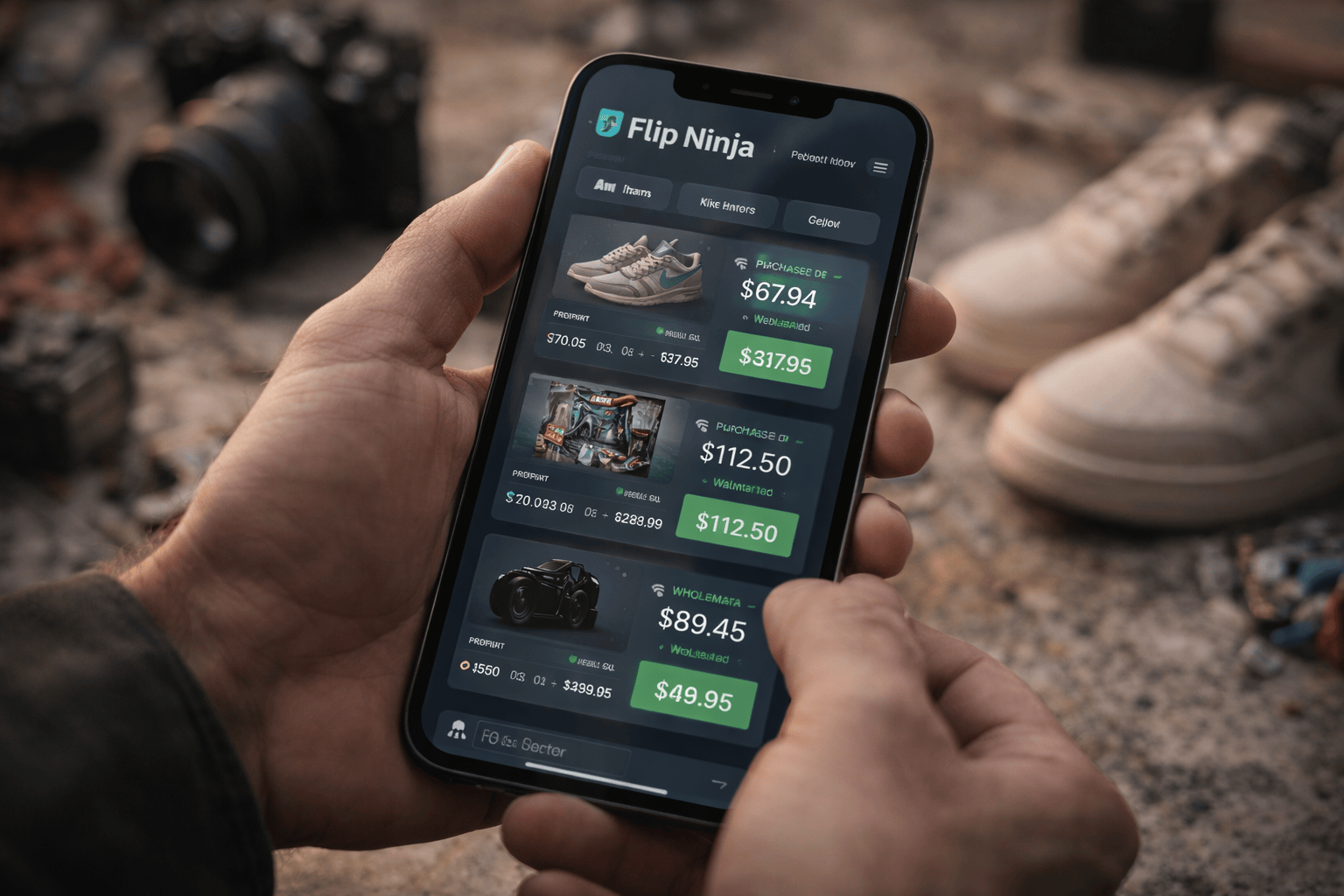
The Profit Cloner System is a beginner-friendly affiliate approach that lets you hijack viral purchaser traffic and reroute it into your affiliate links without posting material, without paying for advertisements, and without needing experience.
And platforms like buckmap.com represent something most marketers overlook:a vertically focused, data-driven product with emotional buying triggers, recurring seasonal demand, and high customer lifetime value. For instance, by utilizing data analytics effectively, you can identify trends and preferences that will enhance your marketing efforts and create targeted campaigns that speak directly to your audience's needs.
Copying viral content that’s already shown
Embedding your link cleverly so clicks transform
Leveraging “domain embedding” to funnel all traffic into your cash properties
Running 24/7 as soon as set up
If you’re an internet marketer, affiliate marketer, or digital strategist, this isn’t just about hunting; it's about leveraging every tool at your disposal to carve out a niche for yourself in the market. By understanding the dynamics of tools like the map pack hero feature in local SEO strategies, you can position yourself as a go-to resource for customers looking for reliable information and services.
The Goldmine: Data-Driven Micro-Niches Explored
The online landscape has changed:
Organic reach is down
Advertisements are pricey
Social algorithms reward recycled material
AI material makes it more difficult to stand out
AHidden Asset in digital marketing is an undervalued opportunity that, when properly positioned and executed, can produce remarkably disproportionate results. For instance, consider how focusing on niche markets can yield higher engagement rates than broad approaches. By identifying and leveraging specific customer pain points or interests, you can create tailored content that resonates deeply with your audience. This is where the concept of the map pack hero comes into play—it's about strategically mapping out your assets to dominate these niches effectively. When you position yourself as a go-to resource in these underrepresented areas, not only do you attract more traffic, but you also build a loyal customer base that trusts your expertise. Ultimately, by recognizing and capitalizing on these hidden assets, you set yourself apart from competitors who are simply recycling old strategies without real engagement.
It’s not a trend.It’s not a growth hack.It’s structural leverage hiding in plain sight that savvy marketers know can lead to consistent profits over time. Understanding this concept means recognizing that true value lies beneath the surface of what seems ordinary or overlooked. By diving deeper into these assets, you unlock the potential for long-term success rather than chasing fleeting trends that may not yield sustainable results. Consider how businesses often find success in places others ignore; it’s about finding those unique angles where genuine demand exists and meeting it head-on with strategic marketing efforts.
Framework for Marketing a High-Intent Niche Product Effectively
Unlocking the Potential of a Hidden Asset: Map Pack Hero
A Hidden Asset typically has three characteristics: it possesses untapped potential, appeals to a specific audience's emotional triggers, and offers opportunities for recurring revenue streams. For example, think about subscription services that cater to passionate hobbyists—these often thrive because they serve niche markets with dedicated consumers willing to pay for ongoing value. Identifying such characteristics in your business model can help you pivot toward more profitable avenues while ensuring you're meeting the needs of your target demographic effectively.
Found a proven affiliate item
Determined viral content with existing demand
Added the “domain embedding” technique
Put links where clicks naturally happen
Overall time: about 60 minutes. Zero budget plan.
1. Prioritize Advantages Over Features with Map Pack Hero
Traffic started being available in from keywords I didn’t even target.Clicks showed up before lunch.By night: very first little commissions hit my dashboard.
It’s legitimate– and it works quicker than expected.
Transforming BuckMap into a Valuable Marketing Asset
2. Create Content Focused on Tactical Scenarios Using Map Pack Hero
The system begins by guiding you to proven, sought-after affiliate uses that are already creating sales. You find out precisely which networks to examine, which filters to apply, and how to spot “peaceful winners” that don’t have heavy competition.
Rather of guessing, you piggyback off products with recognized conversion information– saving time and eliminating risk. This ensures you’re promoting something with genuine purchasing momentum, not a random offer without any traction.
3. Harness Seasonal Trends with Your Map Pack Hero Strategy
If everyone sees the opportunity, it’s already expensive. In contrast, the real goldmines are often hidden in plain sight, waiting for those who dare to explore uncharted territories. This is particularly true in niche markets where competition is low but demand is high. You can carve out a space for yourself by identifying unique offerings that resonate with specific audiences. By doing so, you not only save on costs but also tap into a market that values your insights and contributions. When you position yourself as an expert within these niches, you transform potential challenges into profitable opportunities.
This indicates you do not count on skill, creativity, or luck– you’re utilizing material that the algorithm has actually currently verified. The demand, engagement, and psychology are integrated in, so you get instantaneous importance without being on camera or writing anything.
4. Leverage Identity-Driven Marketing Through Map Pack Hero
But when only a few recognize the leverage? That’s where asymmetric upside lives. This means that while most marketers chase after the same tired strategies, those who think outside the box can find immense rewards. For instance, by focusing on specialized content or unique services tailored to a passionate community, you create an environment ripe for engagement and conversion. It’s about finding that sweet spot where your efforts yield disproportionate returns compared to your investment of time and resources.
It works quietly in the background, guiding clicks into the exact areas where conversions are greatest. This gets rid of the requirement for hard selling and dramatically increases your possibility of making commissions.
5. Craft a Compelling Data Story Funnel with Map Pack Hero
Many novices put links in places where nearly no one clicks. The Profit Cloner System teaches you “behavioral link positioning,” positioning your affiliate links in areas where user attention is highest.
General marketing blogs fight for scraps of traffic. But vertical platforms, especially those tied to identity, lifestyle, and passion, convert differently. These platforms are not just about selling; they foster communities built around shared interests and values. For example, consider how outdoor enthusiasts engage deeply with brands that speak their language and understand their needs. By creating targeted content and utilizing tools like the map pack hero, you enhance visibility and establish credibility within these niche markets, leading to higher conversion rates compared to generic approaches.
Effective Content Angles That Convert Using Map Pack Hero
Hunting isn’t casual consumption. It’s tribal. This activity is steeped in tradition and shared experiences that connect individuals on a deeper level than mere transactions. Understanding this emotional connection allows marketers to craft messaging that resonates profoundly with their audience's values and lifestyle choices. By tapping into this sense of community and belonging, you not only drive sales but also build lasting relationships with customers who see your brand as an integral part of their hunting journey.
There are no uploads, no everyday posting regimens, and no paid ads to keep an eye on. You can examine analytics sometimes, swap uses if you desire, or scale to additional specific niches– but the core engine operates on auto-pilot. It’s developed to be a “set-once, earn-often” structure.
Your Distribution Strategy for Maximum Impact
Here are tools that pair perfectly with Profit Cloner System:
A Practical Execution Blueprint for Affiliate Marketers Utilizing Map Pack Hero
Yes– no content development, no paid advertisements, no tech skills.
Step 1: Establish Authority Blog Leveraging the Map Pack Hero
No. The approach is designed to run 100% totally free from day one.
Step 2: Capture Leads with an Effective Checklist and the Map Pack Hero
Yes. Any niche, any country.
Step 3: Utilize Short-Form Video to Drive Traffic for Your Map Pack Hero
Platforms likehttps://buckmap.comsit at the intersection of data-driven insights and passionate user engagement. They provide valuable resources tailored specifically for hunters and outdoor enthusiasts looking to maximize their experiences while connecting with like-minded individuals. By leveraging such platforms effectively, you can position yourself as a thought leader in this space, driving both traffic and conversions through targeted strategies that resonate deeply with your audience's passions.
Step 4: Optimize Timing for Campaign Pushes with the Map Pack Hero
Yep, because you’re pirating existing viral content, not trying to outrank it.
Your Next Strategic Move in Digital Marketing
Because when users care deeply about outcomes, they are more likely to engage with content that resonates with their needs and aspirations. This emotional connection can drive them to take action, such as subscribing to your services or making a purchase. It’s essential to understand what drives your audience's decisions and create a narrative around those motivations. For instance, if you’re targeting outdoor enthusiasts who want to enhance their hunting experience, it’s vital to highlight how your offerings can help them achieve successful hunts through precise deer movement tracking. By tapping into their passions and concerns, you can foster loyalty and trust, leading to increased conversions and long-term relationships.
The question becomes:How do you market something like this effectively? One effective strategy is to utilize targeted messaging that speaks directly to the desires of your audience. By focusing on the specific benefits that resonate with them, such as improved success rates in hunting or better understanding animal behavior, you can create compelling marketing campaigns. Additionally, leveraging social proof through testimonials or case studies can further validate your offering and draw in potential customers who may be skeptical. Understanding the nuances of your target market allows you to tailor your approach and maximize engagement.
This means you don’t rely on luck, creativity, or skill– you’re utilizing material that the algorithm has already validated. It works calmly in the background, guiding clicks into the precise areas where conversions are highest. Many novices put links in places where nearly no one clicks. You’re shown which positionings drive interest, which positionings bring in buyers, and how to structure link positioning to carefully direct people toward the offer. Once the setup is total, the system runs passively.
Niche Market Insights: Why Targeting is More Effective Than Broad Strategies
Most internet marketers are ignoring hidden asset fighting for attention in oversaturated spaces.
“Go broad.”“Appeal to everyone.”“Cast a wide net.” These common phrases might sound appealing, but in practice, they often lead to disappointing results. When you attempt to reach out to a general audience, you risk diluting your message and losing the unique connection with your target market. Instead of casting that wide net, consider focusing on specific interests or needs that resonate deeply with a defined group. For example, targeting avid hunters who are looking for innovative tools and resources can be far more effective. By honing in on these segments, you can create tailored content and campaigns that not only engage but also convert visitors into loyal customers who appreciate what you offer.
But if you’ve tried that approach, you’ve likely experienced something different: diminished returns on your efforts and frustration from low engagement metrics. You may find it challenging to capture attention when everyone is competing for the same audience. This oversaturation can lead to weak differentiation where your offerings blend into the background noise of countless similar products and services available online.
Low engagement.Weak differentiation.Endless competition. In this crowded landscape, standing out becomes a daunting challenge. That's why it's crucial to explore untapped opportunities within niche markets. For instance, leveraging data-driven insights can help you identify unique demands within your target demographic. If you focus on becoming a map pack hero, utilizing local SEO strategies effectively can position your offerings right where potential customers are searching for solutions. This not only boosts visibility but also ensures that you're connecting with those who have genuine interest in what you're providing.
That’s why you’re searching fora niche market. Finding that sweet spot where your passion meets market demand is vital for sustainable success.
You want clarity.You want direction.You want to build something that stands out, not blends in. Embrace the journey of discovering what makes your brand unique and how it aligns with the desires of your target audience. By doing so, you'll create an authentic connection that fosters trust and loyalty among consumers.
Let’s break down what aniche markettruly is, why it works, and how to leverage it strategically. Understanding the concept of a niche market is crucial for any marketer looking to maximize their efforts. A niche market refers to a specific segment of a larger market that is often overlooked by mainstream competitors. By identifying and targeting this unique group, you can tailor your marketing strategies to meet their specific needs and preferences. For example, instead of broadly targeting fitness enthusiasts, you might focus on eco-friendly yoga products aimed at environmentally conscious individuals. This not only helps you stand out in a crowded marketplace but also allows you to create more personalized content that resonates with your audience. Additionally, positioning yourself as an expert within this niche can establish trust and loyalty among consumers, making them more likely to engage with your brand.
Understanding the AVATAR: Who Seeks Out Niche Markets?
Search intent plays a vital role in understanding consumer behavior. In this case, we observe that the search intent is primarily informational with light commercial investigation. This indicates that users are actively seeking knowledge or solutions related to a specific topic while also considering potential purchases. For instance, someone searching for tips on how to improve their online marketing strategy may be gathering insights before deciding which tools or services to invest in. By crafting content that addresses both informative queries and subtly guides users toward relevant products or services, you can effectively capture their interest and lead them further along the purchasing journey.
It’s not a trend. It’s not a growth hack. It’s structural leverage hiding in plain sight.
A Hidden Asset typically has three characteristics:
Low competitive attention
High intent or emotional investment
Scalable monetization potential
You’re exploring how narrowing your focus could improve results significantly in your marketing campaigns. When you concentrate on a specific area within your industry, such as focusing solely on outdoor survival gear instead of general camping equipment, you tap into a dedicated audience eager for specialized products and advice. This strategic narrowing enables you to create targeted content that speaks directly to the desires and needs of your audience. Furthermore, by utilizing tools like the map pack hero, you can enhance local visibility for your niche offerings, ensuring that when potential customers search for these specialized products or services in their area, your business stands out prominently among the competition.
Aniche marketis a defined, specialized segment of a larger market with distinct characteristics that set it apart from broader categories. These markets often emerge from specific consumer needs or interests that are not fully addressed by mainstream offerings. For example, within the health food sector, there is a growing niche focused on vegan protein powders made exclusively from plant-based sources. By honing in on such specialized markets, businesses can better cater to the preferences of their target audience while also establishing themselves as thought leaders within these areas.
Examples of a Hidden Asset:
A niche audience with strong purchasing behavior but weak authority content
A keyword cluster with outdated competitors ranking
A passionate subculture underserved by modern tools
An email segment no one is nurturing properly
A product category tied to seasonal urgency and identity
Instead of targeting “fitness,” a niche market example would be: organic pet food formulated specifically for dogs with allergies. This focused approach allows marketers to connect deeply with pet owners who are seeking solutions tailored to their pets' unique dietary restrictions. By creating targeted campaigns around such specific niches, businesses can foster community engagement and develop strong customer loyalty based on shared values and concerns.
A Hidden Asset exists where value is mispriced either in attention, positioning, or authority.
Think of it like arbitrage in markets.
If everyone sees the opportunity, it’s already expensive.
If no one sees it, it may be worthless.
But when only a few recognize the leverage? That’s where asymmetric upside lives.
A Closer Look at What Defines a Niche Market
Here’s the mistake most marketers make:
Without differentiation, you become interchangeable in the crowded digital marketplace. This means that if your product or service is just like everyone else's, customers will have no compelling reason to choose you over competitors. To stand out, consider incorporating unique features or benefits that resonate with your target audience. For instance, if you're offering a service related to outdoor activities, showcasing expert testimonials or highlighting exclusive partnerships with local guides can create a distinct value proposition. By establishing a strong brand identity and focusing on what makes you unique, you can effectively capture attention and drive engagement, ultimately leading to increased sales and customer loyalty.
General marketing blogs fight for scraps of traffic. But vertical platforms, especially those tied to identity, lifestyle, and passion, convert differently.
Hunting isn’t casual consumption. It’s tribal.
And when a product offers:
Data advantage
Competitive edge
Measurable results
Status reinforcement
You’re not selling features.
You’re selling dominance.
That’s where marketers should pay attention.
The Pitfalls of Broad Targeting Strategies Explained
Let’s break this down strategically.
When your messaging lacks specificity, emotional connection weakens significantly. It's essential to articulate not only what you offer but also how it impacts your audience's lives on a personal level. Take the time to understand their desires and pain points, and craft messages that speak directly to those emotions. For example, instead of merely stating that you sell hiking gear, share stories of adventure where your products played a crucial role in creating unforgettable experiences. This storytelling approach fosters a deeper emotional bond with your audience, making them more likely to trust your brand and engage with your offerings.
Because when users care deeply about outcomes, they:
Click more
Research more
Spend more
Stay longer
The question becomes: How do you market something like this effectively?
Let’s get tactical.
The Hidden Costs of Avoiding Niche Selection
1. Lead With Advantage, Not Features
Most marketers describe tools.
Operators position advantages.
That emotional alignment increases lifetime value significantly by fostering long-term relationships between customers and brands. When consumers feel an emotional connection with your business, they are not only more inclined to make repeat purchases but also more likely to refer others within their network. Consider implementing loyalty programs that reward customers for their continued patronage or create community events that allow them to connect with others who share similar passions. The stronger the emotional ties you cultivate through these interactions, the more likely your customers will view you as their go-to source for products and services related to their interests.
Fewer competitors operate at depth within micro-segments, which presents a lucrative opportunity for marketers willing to dive deeper into niche markets. By identifying specific groups of consumers who share common interests or needs—such as avid hunters or nature photographers—you can tailor your marketing strategies specifically for them. This targeted approach enables you to craft personalized messages that resonate more profoundly with this audience segment, leading to higher engagement rates and conversion levels compared to broader marketing tactics. Embracing micro-segmentation allows you not only to differentiate yourself from competitors but also to establish a loyal customer base eager for specialized content.
High-intent markets respond to edge.
Your messaging hierarchy should be:
Outcome
Competitive advantage
Tool
Features
In that order.
2. Build Content Around Tactical Scenarios
Generic content fails.
Scenario-based content converts.
Instead of: “Benefits of mapping software.”
Create:
“How to Scout a New Property in 48 Hours Using Movement Data”
“Pre-Season Data Strategy for Mature Buck Movement”
“Mapping Funnels Before Opening Day”
Notice the shift.
You’re not educating broadly. You’re embedding the product into tactical execution.
That’s how authority builds.
3. Engineer Seasonal Momentum
Unlike SaaS for entrepreneurs, outdoor niches have strong seasonal spikes.
That’s an advantage.
Map your campaigns around:
Pre-season preparation
Opening week
Mid-season adjustments
Post-season analysis
Each phase has different psychological drivers:
Anticipation
Urgency
Optimization
Reflection
Internet marketers should treat this like product launch cycles — multiple times per year.
4. Leverage Identity-Based Marketing
Hunters don’t buy tools.
Opportunities often exist in under-served micro-niches where few businesses dare to venture due to perceived risks or limited market size. However, by carefully researching these niches—such as eco-friendly outdoor gear or high-tech hunting accessories—you may uncover unmet needs waiting to be fulfilled. Engaging with these niche markets allows you to position yourself as an authority while creating tailored solutions that resonate strongly with potential customers. Not only does this strategy reduce competition, but it also enhances customer satisfaction as they find exactly what they are looking for—something many larger brands overlook in favor of broader appeal.
Your marketing should tap into:
Mastery
Patience
Strategy
Outthinking the environment
Business B: “Email Marketing Automation for SaaS Startups.” This type of service is crucial because it allows startups to manage their customer relationships effectively by automating repetitive tasks. For instance, email sequences can be tailored to engage new users or re-engage old ones, ensuring that every potential lead is nurtured. By integrating analytics into your email campaigns, you can track open rates and click-through rates, providing valuable insights that help refine your strategy over time. Ultimately, this leads to higher conversion rates and more sustainable growth.
Will outperform: “Here are the features.”
Because identity drives behavior.
1. Unlock Your Competitive Edge with Map Pack Hero
Most affiliates drop links.
Professionals build narrative.
Here’s a simple structure you can deploy:
Problem: “Why scouting fails without pattern recognition.”
Education: Explain movement variables.
Insight: Introduce data-based mapping.
Demonstration: Show interface or example.
Call-to-action: Invite them to explore.
No hype.
Just structured persuasion.
The Psychology Behind Choosing Niche Markets Explained
If you’re an affiliate or digital marketer, here’s how to approach this strategically.
2. Boost Your Profit Margins Using Map Pack Hero
“How I Reduce Scouting Time by 60%”
“Mapping Travel Corridors Before They’re Obvious”
“Data-Driven Hunting vs Traditional Guesswork”
“The Pre-Season Advantage Most Hunters Ignore”
Notice something?
Each headline promises leverage.
Not information.
The Key Advantages of Selecting a Niche Market
Instead of random posting:
YouTube Shorts: Quick tactical insights
Blog: Deep execution breakdowns
Email: Seasonal checklists
Retargeting: Advantage-based messaging
You’re not building traffic.
You’re building authority inside a niche.
3. Build a Strong Brand Identity Through Map Pack Hero
“Career coaching for mid-career tech professionals transitioning into leadership roles.” This specialized coaching offers invaluable support as these professionals navigate the complexities of moving from technical positions into management. Coaches often provide personalized strategies that help clients build essential skills such as communication, team management, and strategic thinking. Additionally, they assist in overcoming common challenges like imposter syndrome or resistance from peers. By focusing on real-world applications and developing a strong personal brand, these coaches empower individuals to thrive in their new roles and drive impactful change within their organizations.
4. Maximize Marketing Efficiency with Map Pack Hero
Create 10 cornerstone posts:
Pre-season planning
Data interpretation
Case examples
Strategy breakdowns
Make them execution-driven.
Step 1: Begin Your Journey with a Broad Industry Focus
Offer something like:
“7-Step Pre-Season Mapping Blueprint”
“Career coaching for mid-career tech professionals transitioning into leadership roles.” This type of coaching is particularly beneficial as it equips individuals with the necessary tools to adapt to their evolving responsibilities. Coaches work with clients to identify their strengths and areas for improvement while also providing insights into effective leadership styles. They may utilize role-playing scenarios or case studies that mirror real-life situations, allowing clients to practice decision-making and conflict resolution skills in a supportive environment. As a result, participants gain confidence and clarity about their career paths, ultimately enhancing their ability to lead teams successfully.
Step 2: Discover Sub-Segments for Map Pack Hero Success
Focus on:
Mistakes hunters make
Micro tips
Tactical scenarios
Drive them back to your long-form content.
Step 3: Validate Demand for Your Map Pack Hero Niche
Don’t promote randomly.
Push aggressively:
6–8 weeks before season
2 weeks before opening
During peak scouting periods
Seasonality is leverage.
Your Guide to Identifying Profitable Niche Markets
This isn’t about one product.
Businesses that specialize often scale sustainably due to their focused approach on specific markets or niches. By honing in on particular customer needs and preferences, these companies can develop tailored products or services that resonate more deeply with their target audience. For example, a business that offers eco-friendly packaging solutions not only caters to environmentally conscious consumers but also builds a loyal customer base eager for sustainable options. This specialization allows businesses to create stronger brand identities and more effective marketing strategies while optimizing resources for maximum impact.
The biggest growth opportunities often live in:
Passion-driven niches
Tool-based markets
Identity-backed communities
Data-enhanced industries
When you find one:
You don’t dabble.
You dominate positioning.
And buckmap.com represents one of those overlooked intersections where marketing fundamentals meet high-intent behavior.
A Case Study: Comparing Broad and Niche Positioning Strategies
If you’re serious about building authority inside vertical markets — especially data-driven, performance-focused niches — you need to study the product itself.
Because when you understand how high-intent products are structured, you become better at marketing anything.
This isn’t about promoting a hunting tool.
Niche positioning improves marketing efficiency quickly by allowing businesses to target specific audiences with precision. When you focus your efforts on a defined market segment, such as health-conscious consumers seeking organic food products, you can craft messages that speak directly to their interests and pain points. This targeted approach reduces wasted ad spend and increases the likelihood of conversion since potential customers feel understood and valued. Furthermore, leveraging data-driven insights helps refine your marketing tactics over time, ensuring continued relevance within your niche while fostering deeper connections with your audience.
And leverage compounds.
Clearing Up Misconceptions About Niche Markets
Step 4: Evaluate Competition Depth in the Map Pack Hero Space
Yes. It’s highly concentrated, deeply engaged, and monetizable. Depth often beats breadth in affiliate ecosystems.
“Is My Niche Market Too Small for Map Pack Hero?”
No. It creates predictable revenue cycles. Smart marketers build campaigns around those cycles.
“Will I Run Out of Customers with Map Pack Hero?”
By producing tactical content, not review fluff. Demonstrate use cases, not feature summaries.
“Do I Need to Stay Flexible in My Map Pack Hero Approach?”
Scenario-based execution content. “How I…” and “Before opening day…” structures work well.
Your Security in Using Map Pack Hero Strategies
Absolutely. The framework applies to any passionate, tool-driven micro-niche.
Status Update: Is Your Map Pack Hero Plan Working?
For readers who want to go deeper into identifying and capitalizing on a Hidden Asset strategy, the following resources offer credible data and competitive insight tools. For example, Ahrefs Blog provides advanced SEO case studies and keyword research breakdowns that help uncover undervalued traffic opportunities.
Additionally, Google Trends< is a powerful (and free) platform for spotting emerging interest patterns and seasonal demand cycles — critical when validating a potential Hidden Asset niche before investing time and resources.
Transform Your Subscribers into Loyal Customers with Targeted Email Marketing Strategies
You’ve probably heard the advice.
You’re writing subject lines that catch attention.You’re building sequences that guide readers through a journey.You’re watching open rates fluctuate as you experiment with different tactics. Each detail matters when crafting emails that convert; even minor changes can lead to significant differences in performance. The challenge lies in ensuring each element aligns perfectly with the interests of your audience. As you analyze data from past campaigns, consider implementing strategies like A/B testing for subject lines or segmenting your list based on previous interactions. By doing so, you can optimize each email for maximum impact and better connect with recipients who are genuinely interested in what you have to offer.
But if you’ve tried that approach, you’ve likely experienced something different:
You suspect the issue isn’t the email itself, but its relevance to your audience's current needs and preferences. The landscape of online communication is constantly evolving, and what worked yesterday might not resonate today. That's why refining your message is crucial to ensure it aligns with trends and interests within your niche market. You want your emails to be more than just another message in an overflowing inbox; they should provide value and foster connections with recipients who find real benefit in what you're sharing.
That’s why you’re searching for Targeted Email Marketing strategies that emphasize personalization and relevance over generic outreach. You're looking for ways to craft messages that speak directly to the unique experiences of different segments within your audience, enhancing engagement while minimizing unsubscribes. By focusing on specific interests or behaviors demonstrated by your subscribers, such as their past purchases or interactions with your brand, you can create tailored content that resonates deeply with them.
You don’t want to blast your list indiscriminately.You want to speak directly to the right people at the right time, ensuring that every email feels relevant and timely. This means carefully analyzing subscriber behavior and preferences before hitting send. Consider utilizing tools that allow for dynamic content insertion based on user data or deploying automation workflows that trigger messages based on specific actions taken by users on your website or within previous campaigns. Such approaches will elevate the quality of your communications and strengthen relationships with those who matter most.
Identifying the AVATAR: Who Seeks Targeted Email Marketing Solutions?
Let’s break down how that actually works strategically, not theoretically. To truly grasp the concept of using a map pack hero, it’s essential to understand the strategic applications in a real-world context. For instance, consider how utilizing location-based data can enhance your marketing approach by directing potential customers straight to your business when they search for related services or products. This means you are not only competing for attention but also optimizing your visibility on platforms that prioritize local search results. By implementing targeted strategies around this concept, you can significantly improve your chances of capturing leads and converting them into loyal customers.
Search intent: informational with light commercial investigation. Understanding this search intent is crucial as it reveals what potential customers are really looking for during their online journey. When users type queries into a search engine, they often seek specific information or solutions before making a purchase decision. By aligning your content with their needs and providing insightful answers, you can guide them toward taking action—whether that's subscribing to your newsletter, downloading a resource, or eventually purchasing a product. This strategy effectively positions you as a trusted authority in your niche.
An entrepreneur starting a business
A marketer refining brand positioning
A content creator choosing a specialization
A business owner struggling with competition
Understanding Emotional Triggers in Marketing
Overwhelmed by competition
Uncertain about where to focus
Concerned about choosing “too small” a market
Eager for clarity and competitive edge
Your Audience's Awareness Level Matters
You understand markets exist.
You’re exploring how narrowing your focus could improve results.
Defining Targeted Email Marketing: What You Need to Know
You’re looking for refinement — not reinvention. In today's saturated market, it's important to refine existing strategies rather than reinvent the wheel entirely. This might involve analyzing successful campaigns within your industry and adapting them to fit your unique brand voice and audience needs. Instead of starting from scratch, leverage insights gained from previous efforts and industry benchmarks to enhance what already works well for you. By fine-tuning these methods and incorporating innovative tools like a map pack hero, you can boost your effectiveness while maintaining consistency in your messaging.
Specific needs
Distinct preferences
Unique pain points
Instead of targeting “fitness,” a niche market example would be:
Fitness for postpartum mothers
Vegan athletes over 40
Strength training for busy executives
It’s not about shrinking opportunity.
It shifts email from mass communication to strategic conversation, enhancing engagement by fostering a two-way dialogue. This transformation allows businesses to not only deliver content but also to listen and respond to their audience's needs and preferences. By utilizing personalized messages, you can create a more intimate connection with your subscribers, making them feel valued and understood. For instance, if you know a segment of your audience is interested in outdoor gear, you can tailor your emails to include the latest hunting equipment reviews or tips on choosing the right gear for specific conditions. This targeted approach increases the likelihood of interaction and conversion, ultimately turning casual readers into loyal customers.
The Essential Principles Behind Effective Targeted Email Marketing
When businesses ignore targeting, three problems occur: first, they risk diluting their brand message by reaching audiences who may not find it relevant. Second, they often face increased unsubscribe rates as recipients grow tired of irrelevant communications cluttering their inboxes. Lastly, without a clear target, marketing budgets can be wasted on ineffective campaigns that fail to resonate with any specific group. To avoid these pitfalls, it's crucial to develop a deep understanding of your audience segments and craft tailored messages that speak directly to their interests and needs. This focused strategy not only enhances customer satisfaction but also improves overall campaign performance.
Industry data consistently shows that segmented campaigns outperform non-segmented ones in various key performance indicators such as open rates, click-through rates, and conversion rates. For example, studies have revealed that targeted emails generate up to 760% more revenue than non-targeted messages. This remarkable difference highlights the importance of utilizing analytics tools to identify customer behaviors and preferences effectively. By applying this knowledge, marketers can create campaigns that are not only more relevant but also yield higher returns on investment (ROI). As you refine your strategies based on data insights, you will see how effective segmentation can lead to greater engagement and profitability for your business.
In reality:
Broad markets create:
Intense competition
Price pressure
Generic messaging
Weak brand identity
Subscribers disengage when messaging doesn’t align with their needs because they quickly lose interest in content that feels generic or irrelevant. This disconnect can lead to frustration and ultimately result in unsubscribes or negative perceptions of your brand. To combat this issue, it's essential to regularly assess the interests of your audience through surveys or feedback forms and adjust your messaging accordingly. By ensuring that your communications resonate with their current wants and needs—such as seasonal trends or new product launches—you reinforce the value they receive from being on your mailing list.
Sending a discount offer to someone who already purchased at full price? Wasted margin. This common mistake highlights the need for effective segmentation in marketing strategies. Instead of offering discounts indiscriminately, consider tailoring offers based on previous purchase behavior; for instance, providing exclusive deals on complementary products for repeat customers. By recognizing where each subscriber stands in their buying journey and delivering personalized incentives at the right time, you enhance customer loyalty while preserving profit margins.
Sending beginner content to advanced buyers is not just a lost opportunity; it represents a significant gap in your marketing strategy. When you fail to align the complexity of your content with the experience level of your audience, you risk alienating potential customers who might otherwise engage and convert. Imagine a seasoned hunter receiving basic tips on choosing their first bow; they would likely find it irrelevant and dismissive of their expertise. Instead, focusing on tailored content that resonates with advanced users not only shows that you understand their needs but also positions you as an authority in your niche. Leveraging insights from user data can help you create targeted campaigns that cater specifically to these high-intent audiences, ultimately driving traffic and increasing conversion rates while enhancing the overall customer experience.
The Psychological Reasons Why Targeted Email Marketing Is Effective
Avoiding niche selection leads to:
The Hidden Costs of Generic Email Campaigns
Generic ads require larger budgets.
Specific ads convert faster.
1. Declining Engagement Rates Explained
Generalists rarely dominate.
Specialists build reputation.
2. Increased Unsubscribes: The Warning Signs
Modern email platforms enable this with automation tools designed to streamline communication and enhance engagement. These tools allow you to segment your audience based on various criteria such as behavior, preferences, and purchase history. For instance, if someone has shown interest in specific hunting gear or outdoor equipment, automated email sequences can be triggered to deliver personalized recommendations right when they are most likely to convert. This not only saves time for marketers but also creates a more engaging experience for recipients. By incorporating automation into your marketing strategy, you can ensure that every email sent is relevant and timely, significantly improving open rates and click-through rates, which ultimately translates to higher conversions.
Niche brands create belonging.
Common Misunderstandings About Targeted Email Marketing Clarified
Humans gravitate toward identity.
Behavioral targeting increases relevance significantly by ensuring that the right message reaches the right person at the right time. By analyzing user behavior—such as past purchases, browsing patterns, or interactions with previous campaigns—you can tailor your marketing efforts to meet specific interests and needs. For example, if a user frequently searches for information about deer hunting techniques, presenting them with advanced guides or exclusive offers related to this interest could lead to higher engagement levels. This personalized approach not only enhances user satisfaction but also fosters loyalty among your audience, as they feel valued and understood. Utilizing behavioral targeting effectively makes it possible for you to craft messages that resonate deeply with potential customers, thereby optimizing conversion opportunities.
“This brand understands me.”
Trust accelerates.
A niche market aligns with:
Belonging
Recognition
Shared experience
That emotional alignment increases lifetime value.
Key Metrics to Track for Successful Targeted Campaigns
3. Identifying Revenue Leakage in Campaigns
Fewer competitors operate at depth within micro-segments.
Focused brands move faster.
1. Effective Segmentation Techniques
Your targeting is only as strong as your data integrity; without accurate and reliable data, even the best strategies can fall flat. It's essential to regularly audit your data sources and ensure that the information you're using reflects current consumer behaviors and preferences. For instance, outdated or incorrect data may lead you to target individuals who no longer have an interest in your offerings or misinterpret trends within your niche market. Implementing robust data management practices will not only enhance the quality of your targeting but also improve campaign performance metrics over time. Investing in tools or services that help maintain data accuracy can pay off significantly by allowing for more effective segmentation and personalization of your marketing efforts.
Commodity businesses compete on discounts.
Common Segments You Should Consider
Messaging must evolve as the customer relationship matures; what resonates with a new subscriber may not hold the same weight once they've become a loyal customer. As users progress along their journey—from initial awareness through consideration to making repeat purchases—your communications should reflect their growing understanding of your brand and products. For example, early-stage emails might focus on introductory content about hunting tips or product benefits, while later communications could delve into expert-level insights or exclusive offers tailored specifically for seasoned hunters. By continuously refining your messaging strategy based on customer progression, you build stronger relationships that foster trust and encourage long-term loyalty while effectively maintaining engagement across all stages of the sales funnel.
Memorability builds trust.
2. The Importance of Personalization
Targeted messaging reduces ad spend waste.
Clarity improves conversion rates.
Tapping into Deeper Motivations of Your Audience
Use this framework:
3. Utilizing Behavioral Targeting Effectively
Example:
Health
Technology
Education
Finance
A Strategic Framework for Your Implementation Plan
Segment A (Cart Abandoners):“Still Thinking It Over? Here’s 10% Off What You Viewed to help you make that final decision! By offering a personalized discount, you can gently nudge these customers back towards completing their purchase. This strategy not only encourages them to revisit the items they showed interest in but also highlights the value of your products. Imagine receiving a friendly reminder with a little incentive just for you—it's a great way to rekindle interest and convert potential sales into profits. Utilizing the map pack hero approach can also assist in showcasing these deals prominently, ensuring they catch the eye of hesitant buyers.
Demographics
Lifestyle groups
Professional categories
Pain-based segments
Segment B (Repeat Buyers):“Exclusive VIP Early Access.” This message creates a sense of urgency and importance, making your loyal customers feel appreciated and valued. Offering them early access to new products or special promotions not only enhances their shopping experience but also strengthens brand loyalty. Consider sending tailored messages that highlight exclusive offerings available only to them. By implementing strategies akin to the map pack hero, you can ensure that these communications are effectively targeted and visible, making it easy for your repeat buyers to take action on those enticing offers.
Segment C (First-Time Buyers):“How to Get the Most From Your Recent Purchase.” After a customer makes their first purchase, it’s crucial to guide them on how to utilize their new item effectively. Providing practical tips or tutorial links can enhance their experience and satisfaction with your product. Think about including user-generated content or testimonials to show how others have benefited from similar purchases. Additionally, integrating elements like the map pack hero can further aid in delivering this information directly and engagingly, ensuring first-time buyers feel supported and encouraged to return for more.
Step 1: Conduct a Comprehensive Data Audit
Check:
Search volume trends
Online communities
Industry forums
Social media conversations
A niche must have:
Demand + purchasing power.
Step 2: Define Customer Lifecycle Stages Clearly
Smaller, segmented lists often outperform large generic lists because they allow for more personalized communication tailored specifically to individual interests and behaviors. When you target specific groups with relevant content, such as special offers or product recommendations based on past interactions, you significantly increase engagement rates. This targeted approach creates a more meaningful connection with your audience. Utilizing techniques inspired by the map pack hero, such as focused outreach campaigns, can maximize your efforts in converting leads into loyal customers.
Deeply specialized?
Or surface-level providers?
Opportunities often exist in under-served micro-niches.
Addressing Common Concerns About Targeted Campaigns
Business A: “Digital Marketing Services.”
Business B: “Email Marketing Automation for SaaS Startups.”
Which is easier to trust?
When based on voluntary engagement, personalization enhances user experience significantly by catering directly to the preferences of your audience. Customers appreciate when brands acknowledge their unique needs and interests through tailored communications or recommendations. Implementing strategies like behavioral tracking helps create a more intuitive shopping environment where users feel understood and valued. Leveraging concepts akin to the map pack hero, which emphasizes visibility and relevance, can further elevate user experiences, resulting in higher satisfaction levels and increased customer retention.
Clarity reduces buyer friction.
Why Relevance Is Key to Success in Targeted Marketing
“A Niche Is Too Small”
Smaller markets can be:
More loyal
More profitable
Less price-sensitive
When you implement Targeted Email Marketing, you should not only expect an improvement in metrics but also a significant enhancement in engagement levels and conversion rates. By carefully crafting messages that resonate with specific audience segments, your emails can become more relevant and compelling. For instance, if you’re promoting a new product related to outdoor activities, targeting individuals who have previously shown interest in hunting or camping can lead to higher open rates and click-throughs. This focused approach allows you to measure success more accurately, as you can track how different segments respond to various campaigns. Ultimately, effective Targeted Email Marketing can turn your email outreach into a powerful tool for building lasting relationships with your customers.
“I’ll Run Out of Customers”
Strong niche brands often expand later.
In today's crowded digital landscape, where thousands of emails flood inboxes daily, generic messaging often fails to capture attention. It’s like trying to shout over a crowd; without a unique angle or personal touch, your voice gets lost in the noise. To stand out, consider tailoring your content specifically for the interests and behaviors of your audience. For example, if you know that a segment of your subscribers enjoys fishing, sending them tailored content about local fishing spots or tips will engage them far more than a one-size-fits-all message ever could. This personalization is key to ensuring your communications resonate and encourage action.
Expansion works best from strength.
“I Need to Be Flexible”
You can pivot within a niche.
Targeted Email Marketing transforms traditional email communication from merely broadcasting messages to fostering genuine relationships with your subscribers. Instead of viewing email as just another marketing channel, think of it as an opportunity to connect on a deeper level with your audience. By understanding their needs and preferences through data analysis and feedback, you can tailor your messages accordingly. This relationship-building approach encourages loyalty and trust among recipients, leading them to not only open your emails but also act upon them—ultimately driving better results for your business.
It enhances positioning.
Micro-Niches: The Power of Precision
A micro-niche drills even deeper.
Example:
Instead of “career coaching,” try:
“Career coaching for mid-career tech professionals transitioning into leadership roles.”
Specificity increases:
Message resonance
Conversion likelihood
Referral potential
Micro-Niches: The Power of Precision
A micro-niche drills even deeper.
Example:
Instead of “career coaching,” try:
“Career coaching for mid-career tech professionals transitioning into leadership roles.”
Specificity increases:
Message resonance
Conversion likelihood
Referral potential
Connecting to Deeper Drivers
Choosing a niche market supports:
Security
Less competition means greater stability.
Status
Expert positioning builds authority.
Freedom
Focused operations simplify execution.
Long-Term Growth
Niche authority compounds over time.
If you're serious about elevating your marketing efforts further, advanced segmentation platforms or CRM integration may be logical next steps in refining your strategy. These tools allow for deeper insights into customer behavior and preferences, enabling you to create even more personalized experiences for each subscriber. For instance, using CRM data can help identify which products are most appealing to different segments of your audience based on their past interactions. By leveraging this information effectively, you can enhance customer satisfaction while optimizing marketing resources for maximum impact.
When to Expand Beyond a Niche
Expansion makes sense when:
You dominate search visibility
You have strong referral momentum
You’ve saturated your initial segment
It’s important to understand that Targeted Email Marketing isn’t simply about sending more emails; rather, it's about sending the right emails at the right time. Quality over quantity should be the mantra guiding your strategy. Focus on creating valuable content that speaks directly to the needs of each segment of your audience rather than bombarding them with frequent generic updates. This strategic approach ensures that every email serves a purpose—whether it's informing, engaging, or prompting action—thus increasing the overall effectiveness of your marketing campaigns.
The Balance Between Focus and Flexibility
A niche is not a prison.
It’s a strategic entry point.
You can:
Add complementary products
Broaden demographic reach
Scale geographically
But only after establishing authority.
Addressing Common Objections
“What if I choose the wrong niche?”
Test with:
Content experiments
Small paid campaigns
Audience surveys
Validation reduces risk.
“Isn’t niching down limiting?”
That’s how email evolves from mere noise into a powerful strategic advantage that can significantly boost your online profit. In today’s competitive digital landscape, it's not enough to simply send out emails; you need to craft messages that resonate with your audience. By focusing on delivering value through tailored content, you can transform your email marketing efforts into a key driver of engagement and revenue. This evolution requires an understanding of your audience's preferences and behaviors, allowing you to create targeted campaigns that speak directly to their needs and interests.
Targeted Email Marketing: Strategy, Segmentation, and Performance is crucial for maximizing your outreach efforts. With the right approach, you can ensure that each message not only reaches its intended recipient but also sparks interest and action. The goal here is to move beyond one-size-fits-all approaches and instead embrace strategies that utilize detailed segmentation based on user data. This not only enhances engagement but also fosters stronger relationships with your subscribers.
Targeted email marketing is the practice of sending personalized, segmented email campaigns based on subscriber data such as behavior, demographics, purchase history, or engagement level. Instead of sending one generic message to your entire list, you deliver relevant content tailored to specific audience groups. For instance, if a segment of your audience has shown interest in outdoor activities, you could send them specialized offers related to outdoor gear or hunting guides. This approach makes your emails more appealing and increases the likelihood of conversions.
“How long before I see results?”
Regular email campaigns send the same message to everyone without considering individual preferences or behaviors. In contrast, targeted campaigns divide your audience into segments and customize messaging based on user behavior or lifecycle stage. For example, new subscribers might receive a welcome series introducing them to your brand, while long-time customers could be offered exclusive discounts or loyalty rewards. This tailored communication strategy typically improves open rates, click-through rates, and overall conversions by making recipients feel valued and understood.
Authority takes time but compounds.
The Strategic Advantage of Focus
The more structured your data collection processes are, the more precise your targeting can become. By utilizing tools like customer relationship management (CRM) systems or advanced analytics software, you can gather insights about customer behavior that inform your marketing strategies. This wealth of information enables you to create highly targeted campaigns that resonate with distinct segments of your audience—ultimately leading to increased engagement and profitability in the long run.
Yes — when implemented correctly, the impact of segmentation can be profound. Segmented campaigns consistently outperform non-segmented campaigns because they deliver tailored content that resonates with specific audiences, thereby enhancing relevance and engagement. For instance, if you're marketing outdoor gear, you could create segments based on customer interests such as hiking, fishing, or hunting. This approach leads to stronger conversion rates and significantly improves customer lifetime value by fostering loyalty and repeat purchases. By understanding your audience better, you can ensure that each message aligns closely with their preferences and needs, ultimately positioning yourself as a go-to resource in your niche.
Capture attention faster
Build deeper loyalty
Convert more efficiently
It can be simple to start with effective segmentation. Begin with basic segments like geographic location or demographics, which allows you to tailor your messages according to the unique characteristics of different groups. For example, targeting outdoor enthusiasts in urban areas might require a different approach than those in rural settings. As you grow more comfortable with segmentation strategies, consider diving deeper into behavioral segments such as past purchase behavior or engagement levels. This layered approach not only enhances relevance but also boosts open rates and click-throughs significantly.
Final Thoughts: Precision Builds Power
Most modern email marketing platforms provide built-in automation and segmentation tools that reduce technical complexity for users at any skill level. With features like drag-and-drop interfaces and pre-built templates, even those who are not tech-savvy can easily create segmented campaigns that target the right audience effectively. These platforms often offer analytics dashboards that help track performance metrics in real time, allowing marketers to refine their strategies continuously. By leveraging these advanced capabilities, you can maximize your outreach efforts while minimizing effort spent on manual tasks.
Segmentation should be an ongoing process rather than a one-time task. As subscribers interact with your emails and website over time, their behavior evolves based on changing preferences and trends. Regularly reviewing performance data ensures your targeting remains accurate and aligned with customer intent, allowing for timely adjustments to your messaging strategy. For example, if analytics show increased interest in certain products during particular seasons, you can pivot your campaigns accordingly to capitalize on this trend and maintain relevancy within your market.
If done responsibly, effective segmentation actually improves deliverability rates for your campaigns. Sending relevant emails increases engagement levels and reduces the likelihood of unsubscribes or spam complaints from disinterested recipients. This positive interaction not only boosts sender reputation but also enhances overall trust in your brand among customers. By focusing on providing valuable content tailored to individual preferences, you build stronger relationships that lead to higher retention rates and more sustainable growth for your business.
Over-segmentation without a clear strategy can lead to confusion and inefficiency in your marketing campaigns. When you create too many micro-segments without establishing a coherent message, it complicates your efforts and dilutes the focus that is necessary for success. Instead of spreading yourself thin, start with meaningful segments that are directly tied to your revenue goals and target audience preferences. For instance, consider grouping potential customers based on their behavior or interests related to outdoor activities. This approach not only helps streamline your messaging but also enhances the chances of converting leads into loyal customers, especially when using targeted strategies like the map pack hero technique that focuses on high-value keywords relevant to your niche.
For deeper insights into data-driven segmentation and performance benchmarks, review the Litmus State of Email Report, which provides comprehensive research-backed statistics on engagement rates, personalization techniques, and return on investment (ROI). By analyzing this report, you can glean valuable information about how different segments respond to various campaigns. This is crucial for refining your strategies as you work towards capturing more traffic effectively while ensuring that each segment receives tailored content that resonates with their unique needs and preferences.
Defining your ideal customer
Clarifying their biggest pain point
Aligning your offer precisely to that need
Additionally, explore Campaign Monitor’s Email Marketing Benchmarks Guide for industry-specific open rates, click rates, and optimization best practices that will help refine your targeted email marketing strategy. Understanding these benchmarks allows you to set realistic expectations for campaign performance while also identifying areas where improvements can be made. With better insights into how similar businesses are performing in the digital landscape, you can adapt your approach accordingly and leverage effective tactics—such as utilizing the map pack hero strategy—to enhance visibility in local searches.
Focus isn’t restriction.
It’s leverage.
Frequently Asked Questions (FAQ)
Niche Market: Strategy, Selection, and Growth
Is Social Media Truly the Most Effective Marketing Tool?
A niche market is a focused segment of a larger market defined by specific needs, preferences, or demographics. Instead of targeting everyone, a business concentrates on serving a clearly defined group more effectively than broad competitors.
What If I Misclassify My Audience Segments?
Choosing a niche market reduces competition, strengthens brand positioning, improves marketing efficiency, and often increases profit margins. Specialization builds authority and trust faster than generalized offerings.
Will Automation Compromise My Brand's Authenticity?
Evaluate three core factors:
Clear customer demand (search volume, community activity)
Purchasing power within the audience
Competitive gaps you can differentiate within
If all three align, the niche has strong potential.
When to Utilize Advanced Marketing Tools Effectively
A niche can be too small if it lacks sufficient demand or spending capacity. However, many micro-niches are highly profitable because they face less competition and allow premium positioning.
Your Questions Answered: Targeted Email Marketing FAQ
A target market is the broader group you aim to serve. A niche market is a highly specialized segment within that broader group. For example, “fitness enthusiasts” is a target market, while “postpartum fitness for working mothers” is a niche market.
1. Understanding Targeted Email Marketing: What Is It?
Expansion makes sense after you establish authority and stable revenue within your niche. Scaling from a strong foundation is more sustainable than starting broad without differentiation.
2. How Does Targeted Email Marketing Differ from Standard Campaigns?
Improved marketing efficiency can happen quickly, but brand authority builds over time. Consistency, focused messaging, and solving specific problems accelerate momentum within a niche market.
3. Essential Data for Implementing Targeted Email Marketing
For research-backed insights on market segmentation and competitive positioning, explore the Investopedia guide to niche markets, which explains foundational principles and real-world examples.
4. Boosting ROI with Targeted Email Marketing: Is It Possible?
Discover How Traffic Supernova Drives Traffic—Using Paid, Organic, AI, or a Blend of Methods?
You’re sending emails.
You’re writing subject lines. You’re building sequences. You’re watching open rates fluctuate.
Instead of focusing solely on traditional SEO techniques or investing heavily in expensive paid advertising, it leverages LLM optimization (LLMO). This innovative approach structures content in a way that makes it more appealing to AI assistants, allowing them to surface and recommend your content within their responses. For instance, when users ask questions related to your niche, well-optimized content can be highlighted by these AI platforms, driving organic traffic to your site. By focusing on how information is presented and ensuring it aligns with what AI tools prioritize, you enhance the chances of being recognized as a relevant source of information in crowded digital spaces.
Some subscribers buy. Most don’t.
This strategy not only helps your content get recommended, but also enhances its visibility across various platforms. Imagine a scenario where your blog post appears at the top of an AI's recommendation list when users seek advice on specific topics. By effectively utilizing LLMO techniques, you can ensure that your insights are not just ranked but actively promoted by intelligent systems, leading to greater engagement and interaction from potential customers who are looking for reliable solutions tailored to their needs.
That’s why you’re searching for Targeted Email Marketing.
Platforms like ChatGPT, Google Gemini, and Grok are evolving into powerful discovery engines that shape how audiences find information online. They utilize advanced algorithms to sift through vast amounts of data and present users with the most relevant results based on their queries. If your content is structured correctly and optimized for these platforms, they can significantly boost traffic directly to your website by presenting your material as an authoritative source. This shift emphasizes the importance of adapting your content strategy to align with these emerging technologies that redefine user engagement.
If your content is structured correctly using LLMO principles, these AI tools can send traffic directly to your website or landing pages. This means creating rich, informative pieces that resonate with both human readers and AI algorithms alike. For example, integrating keywords naturally while providing comprehensive answers can make all the difference in how often your site gets recommended. This dual focus ensures that you're not only attracting visitors but also converting them into loyal customers who appreciate the value you offer through insightful content.
An Introduction to Traffic Supernova and Its Benefits
That’s where Traffic Supernova positions itself differently in the competitive landscape of online marketing strategies. Instead of relying solely on conventional methods that yield diminishing returns, it embraces a forward-thinking approach that integrates LLMO optimization seamlessly into its framework. By doing so, it creates pathways for enhanced visibility and engagement across multiple channels, allowing businesses like yours to thrive in a dynamic marketplace driven by technology and user preferences.
You’re likely:
A business owner or marketer
Running email campaigns with inconsistent results
Curious about segmentation and personalization
Aware that generic emails are underperforming
The Importance of This Trend by 2025
Frustrated with low engagement
Concerned about unsubscribes
Aware that better targeting exists
Unsure how to implement it correctly
1. Harnessing Organic AI-Powered Traffic as a Primary Strategy
Instead of merely aiming to rank #1 on Google, it seeks to be the best answer inside AI tools. This approach shifts the focus from traditional SEO metrics to a more holistic understanding of how content can be utilized within various AI-driven platforms. By becoming the go-to resource that AI tools prioritize, you not only enhance your visibility but also position yourself as an authority in your niche. Consider how users interact with AI; they often seek concise and accurate information quickly. If your content is structured with clear answers, relevant examples, and direct solutions, you are more likely to capture their attention and fulfill their search intent effectively. This strategy ultimately leads to increased traffic and engagement with your brand.
Understanding What Traffic Supernova Really Is
Targeted Email Marketing is the practice of sending personalized, segmented emails to specific groups within your audience based on:
Demographics
Behavior
Purchase history
Engagement patterns
Lifecycle stage
AI tools can surface content optimized through Traffic Supernova strategies, which focus on understanding user behavior and delivering precisely what users are searching for. By analyzing trends and patterns, these strategies help you craft engaging content that resonates with your target audience. For instance, if you're targeting a specific demographic interested in outdoor activities, tailoring your content to reflect seasonal interests or trending topics can significantly enhance its visibility. Moreover, incorporating multimedia elements such as images or videos can further enrich user experience and keep visitors engaged longer. Remember, the goal is not just to attract clicks but to provide valuable insights that encourage users to return.
It shifts email from mass communication to strategic conversation.
2. Leveraging Organic Traffic from YouTube and Google Ecosystem
When businesses ignore targeting, three problems occur:
3. Strategies for Prompt Marketing & AI Distribution
Industry data consistently shows that segmented campaigns outperform non-segmented ones in:
Open rates
Click-through rates
Conversion rates
If a YouTube video is structured properly, Google Gemini may embed it directly into an answer, making it an invaluable asset for visibility. This means that when you create engaging video content that answers common questions or addresses specific problems faced by your audience, it has the potential to be highlighted prominently in search results. Structuring your video with clear segments—such as introductions, key points, and calls-to-action—can enhance its effectiveness and increase viewer retention rates. Additionally, optimizing your video description and tags with relevant keywords will further improve its chances of being featured in search engines or recommended by platforms like Google Gemini.
That means:AI visibility → Video click → Affiliate link → Funnel entry. This pathway illustrates the seamless journey from attracting an audience through AI-optimized content to guiding them toward actionable steps like clicking on affiliate links. Each stage must be carefully crafted to ensure maximum conversion potential; this includes creating compelling thumbnails for videos that entice viewers to click through as well as clear calls-to-action that encourage them to engage further with your offerings. It's essential that every part of this process feels natural and integrated so that users are motivated at each step without feeling overwhelmed or lost.
Subscribers disengage when messaging doesn’t align with their needs.
3. Revenue Leakage
Sending a discount offer to someone who already purchased at full price? Wasted margin.
When people use prompts that reference your method or GPT, it increases your visibility inside AI ecosystems significantly. This highlights the importance of establishing a recognizable brand presence within these environments where users seek tailored responses. By consistently using terms associated with your expertise or unique strategies in your content creation efforts, you can shape how AI interprets and categorizes your work. For example, regularly sharing case studies or success stories related to your methods can foster trust while simultaneously boosting recognition among peers and potential clients alike.
Traffic Supernova encourages building assets that act like a map pack hero, guiding potential customers directly to your offerings. Imagine creating a digital presence that not only captures attention but also drives consistent engagement. This could mean developing compelling content, optimizing your website for local searches, or leveraging user-generated reviews to enhance your visibility. By focusing on these strategies, you can ensure that your brand stands out in crowded markets and effectively converts interest into actionable results.
A Detailed Breakdown of How Traffic Supernova Generates Traffic
1. Segmentation
Traffic Supernova is primarily organic and AI-powered, utilizing advanced algorithms to identify high-intent search queries and match them with relevant content. This means that your marketing efforts are not just about getting traffic; they're about attracting the right kind of visitors who are already interested in what you have to offer. By harnessing this technology, you create a sustainable approach to reaching your audience without relying heavily on paid advertising.
Common Segments
New subscribers
Repeat buyers
High-value customers
Inactive users
Cart abandoners
Segmentation aligns message with intent.
2. Personalization
Beyond first names.
AI-optimized content converts higher due to search intent alignment, ensuring that the information presented resonates with what users are actively searching for. When you use AI tools effectively, they help tailor your content strategies to meet specific customer needs and preferences, ultimately leading to better engagement rates and higher conversion paths. This optimization not only improves user experience but also positions your brand as an authority in its niche.
Product recommendations
Behavior-based triggers
Purchase frequency alignment
Dynamic content blocks
So it’s not dependent on paid traffic, but it can amplify results significantly when paired with targeted ads or social media campaigns. Utilizing both organic methods and strategic ad placements allows for greater flexibility in how you reach your audience. This dual approach ensures that while you're building long-term equity through organic growth, you're also able to tap into immediate traffic boosts when necessary.
3. Behavioral Targeting
Behavior predicts buying intent.
Traffic Supernova primarily generates organic, AI-powered traffic — with optional amplification from platforms and paid ads. This strategy allows marketers like you to focus on cultivating a strong foundation of organic reach while still having the flexibility to enhance visibility through advertisements when needed. By balancing these approaches, you can maximize overall performance and achieve sustainable growth over time.
Why Targeted Email Marketing Works Psychologically
Humans respond to relevance.
To create compelling content, it's essential to base it on the real prompts that people commonly type into various AI tools. This practice not only ensures that your content resonates with what users are searching for but also helps you tap into their specific needs and interests. By focusing on these real-world inquiries, you can craft engaging articles, videos, or social media posts that answer questions and provide solutions. Consider utilizing keywords like map pack hero to enhance visibility in search results. This targeted approach will significantly improve your chances of attracting traffic and generating interest from your audience.
It signals recognition
It reduces cognitive load
It increases perceived value
This activates deeper engagement mechanisms.
Relevance equals respect.
And respect builds trust.
A Strategic Framework for Implementation
Discover How the Map Pack Hero Can Boost Your Traffic
Recycling the same content across multiple platforms—such as transforming a blog post into a YouTube video, a document, a thread, or even using GPT for further expansion—can be highly effective. However, ensure that each piece is tailored to fit the unique style and preferences of the respective platform while maintaining core messages. For instance, when creating video content from a blog post, you can emphasize storytelling elements that engage viewers visually and audibly. Incorporating terms like map pack hero in different formats can also help maintain consistency and reinforce brand identity throughout all channels.
Signup source
Purchase behavior
Email engagement history
Your targeting is only as strong as your data integrity.
Your Questions Answered About Map Pack Hero
Segment by:
Awareness stage
Consideration stage
Purchase stage
Retention stage
Messaging must evolve as the customer relationship matures.
Is the Map Pack Hero a Paid Traffic Solution?
Absolutely! Adopting a structure-based approach to content creation actually simplifies the process of generating traffic significantly. By organizing your content into clear sections and focusing on relevant topics, you can guide your audience through valuable information seamlessly. This method not only enhances user experience but also keeps readers engaged longer. When integrated with strategies targeting keywords such as map pack hero, this structured format allows for improved SEO performance while making it easier for potential customers to find your offerings online.
Welcome series
Abandoned cart sequence
Post-purchase follow-up
Re-engagement campaign
Indeed! While this structure-based strategy complements traditional SEO methods, it shifts the focus toward optimizing for large language models (LLMs) rather than solely relying on backlinks. This means that you should prioritize creating high-quality, contextually rich content that appeals to both users and algorithms alike. By doing so, you increase the likelihood of your work being recognized by AI systems which can lead to enhanced visibility across search engines. Utilizing concepts like map pack hero in your writing will further bolster your optimization efforts.
Can Beginners Leverage the Map Pack Hero?
Yes! You have the flexibility to direct traffic towards various platforms such as YouTube videos, documents for deeper insights, or funnels designed for conversions. Each destination serves a unique purpose and can cater to different segments of your audience effectively. For example, using engaging visuals in YouTube videos can capture attention quickly while detailed documents provide comprehensive information for those seeking in-depth knowledge. Don't forget to incorporate strategic keywords like map pack hero when promoting these resources; they play a crucial role in enhancing discoverability and drawing in more visitors.
As AI becomes the primary discovery layer for online content, this approach gains even more significance and effectiveness in driving traffic. The integration of AI not only streamlines the process of content discovery but also enhances user engagement by delivering personalized experiences. By utilizing advanced algorithms, you can ensure that your content is not just another piece of information but is tailored to meet the specific interests and needs of your target audience. This means that as a marketer, leveraging AI tools can position you ahead of competitors who are still relying on traditional methods. In this evolving landscape, becoming a strong player means embracing these technologies to harness their potential fully.
Targeted campaign:
It’s primarily AI-powered organic visibility, which allows for a more nuanced approach to attracting visitors. This strategy gives you the advantage of being discovered through natural search results while also providing options to layer in platform-specific strategies and paid amplification techniques. For instance, combining organic reach with targeted advertising can exponentially increase your visibility across various channels. This dual approach ensures that your content reaches diverse audiences effectively, optimizing your chances of conversion and engagement.
If you position your content to be recommended instead of merely ranked, you tap into the next wave of traffic before it becomes saturated. This involves creating value-driven, engaging material that resonates with users' interests and emotions, encouraging them to share it within their networks. For example, focusing on niche topics or unique insights can help you become a go-to resource in your field. By utilizing strategies like optimizing for the map pack hero feature in local searches, you can significantly boost your visibility and attract high-intent traffic eager for specific solutions.
Segment C (First-Time Buyers): “How to Get the Most From Your Recent Purchase.”
Same list. Different outcomes.
Targeting multiplies impact.
Misconceptions About Targeted Email Marketing
Does Using Map Pack Hero Replace Traditional SEO?
Not true.
Smaller, segmented lists often outperform large generic lists.
Quality beats quantity.
Can You Use Map Pack Hero Without a Website?
Modern email tools simplify automation.
Start with:
New vs returning customers
Engaged vs inactive subscribers
Expand gradually.
Is the Map Pack Hero Strategy Future-Proof?
When based on voluntary engagement, personalization enhances user experience.
Transparency builds trust.
Metrics That Matter in Targeted Campaigns
Track:
Open rate by segment
Click-through rate
Conversion rate
Revenue per subscriber
Lifetime value
Targeted Email Marketing should improve these metrics measurably.
If not, refine segmentation.
Essential Resources for Mastering the Map Pack Hero
In saturated inboxes, generic messaging blends in.
Precision stands out.
Targeted Email Marketing increases:
Efficiency
Revenue predictability
Customer loyalty
It transforms email from broadcast to relationship channel.
Connecting to Deeper Drivers
Effective targeting delivers:
Security
Predictable revenue streams.
Status
Professional, data-driven marketing.
Freedom
Automation reduces manual effort.
Long-Term Growth
Higher lifetime value per customer.
Email becomes an asset — not a task.
Common Objections Addressed
“Isn’t social media more powerful?”
Social platforms are rented space.
Email lists are owned assets.
Targeting increases ownership value.
“What if I segment incorrectly?”
Start simple.
Test and adjust.
Marketing is iterative, not static.
“Will automation remove authenticity?”
Not if strategy leads.
Automation handles timing.
Humans craft meaning.
When to Consider Advanced Tools
If you’re:
Managing large subscriber bases
Running multiple product lines
Scaling internationally
Advanced segmentation platforms or CRM integration may be logical next steps.
But fundamentals come first.
Relevance Is the Real Currency
Targeted Email Marketing isn’t about sending more emails.
It’s about sending smarter ones.
When subscribers feel understood:
Engagement increases
Trust deepens
Conversions rise
Audit your current segmentation.
Identify one new behavior-based trigger.
Implement it this month.
Measure the results.
That’s how email evolves from noise to strategic advantage.
Frequently Asked Questions (FAQ)
Targeted Email Marketing: Strategy, Segmentation, and Performance
1. What is targeted email marketing?
Targeted email marketing is the practice of sending personalized, segmented email campaigns based on subscriber data such as behavior, demographics, purchase history, or engagement level. Instead of sending one generic message to your entire list, you deliver relevant content tailored to specific audience groups.
2. How is targeted email marketing different from regular email campaigns?
Regular email campaigns send the same message to everyone. Targeted campaigns divide your audience into segments and customize messaging based on user behavior or lifecycle stage. This typically improves open rates, click-through rates, and overall conversions.
3. What data do I need to implement targeted email marketing?
You can start with basic data such as:
Signup source
Purchase history
Website behavior
Email engagement (opens/clicks)
Customer lifecycle stage
The more structured your data collection, the more precise your targeting can become.
4. Does targeted email marketing increase ROI?
Yes — when implemented correctly. Segmented campaigns consistently outperform non-segmented campaigns because relevance increases engagement. Higher engagement leads to stronger conversion rates and improved customer lifetime value.
5. Is targeted email marketing complicated to set up?
It can be simple to start. Begin with basic segments like:
New subscribers
Returning customers
Inactive subscribers
Most modern email marketing platforms provide built-in automation and segmentation tools that reduce technical complexity.
6. How often should I segment my email list?
Segmentation should be ongoing. As subscribers interact with your emails and website, their behavior changes. Regularly reviewing performance data ensures your targeting remains accurate and aligned with customer intent.
7. Can targeted email marketing hurt my deliverability?
If done responsibly, it actually improves deliverability. Sending relevant emails increases engagement and reduces unsubscribes or spam complaints, which positively impacts sender reputation.
8. What is the biggest mistake businesses make with targeted email marketing?
Over-segmentation without strategy. Creating too many micro-segments without clear messaging can complicate campaigns and dilute focus. Start with meaningful segments tied directly to revenue goals.
Authoritative External Resources
For deeper insights into data-driven segmentation and performance benchmarks, review the Litmus State of Email Report, which provides research-backed statistics on engagement, personalization, and ROI.
Everyone wants traffic. But the real question is: where is it coming from? If you’re considering Traffic Supernova, you’re probably wondering whether it relies on paid ads, organic reach, AI automation, or all three. In this guide, we’ll break down exactly how Traffic Supernova generates traffic and which model works best for beginners in 2025.
What Is Traffic Supernova?
Traffic Supernova is an AI-driven traffic generation system designed to help creators, affiliates, and entrepreneurs get discovered across search engines, YouTube, and AI tools like ChatGPT and Google Gemini.
Instead of focusing only on traditional SEO or expensive paid ads, it leverages LLM optimization (LLMO), structuring content so AI assistants surface and recommend it inside their answers.
In simple terms:
Open rates fluctuate significantly, often influenced by factors such as the time of day your emails are sent and the ever-evolving preferences of your audience. Spam filters tighten continuously, leading to many well-crafted messages being lost in the abyss of digital noise. Promotions tabs can easily swallow campaigns whole, pushing them out of sight and out of mind for subscribers. To combat these challenges effectively, it’s crucial to leverage strategies that increase visibility and engagement. One approach is utilizing a map pack hero, which can enhance your local search presence, driving more traffic to your offers. By incorporating location-based keywords into your email content and aligning with user intent, you can boost open rates and ensure your emails land where they belong - in front of eager readers ready to engage.
Your Emotional Connection to the Map Pack Hero:
If you’re searching for “Viral Marketing Trumps Email Deliverability,” you’re likely feeling something deeper than just technical frustration. You may be grappling with the growing concern that traditional methods are not yielding the results they once did. In an era where social media dominates conversations, understanding how audiences interact with different platforms is crucial. This shift emphasizes the importance of innovative strategies like focusing on a niche market or leveraging tools such as a map pack hero to enhance visibility in local searches. By doing so, you can capture attention more effectively, driving engagement that transcends typical email marketing pitfalls.
More users are asking AI tools for answers instead of Googling.
AI assistants summarize results and recommend specific content.
Paid ads are becoming more expensive and competitive.
Organic SEO takes longer and requires more backlinks.
Platforms like ChatGPT, Google Gemini, and Grok are now acting as discovery engines.
Is it worth obsessing over inbox placement when audiences are scrolling, sharing, and discovering content elsewhere? In today's fast-paced digital landscape, where attention spans are short and competition is fierce, it's essential to consider alternative avenues for reaching your audience. Instead of solely focusing on email deliverability, think about integrating various channels that resonate with your target demographic. For instance, utilizing a map pack hero can help position your brand prominently in local search results, guiding customers directly to your offerings while they navigate their online journeys. This multi-faceted approach allows you to connect with users in a meaningful way beyond just their inboxes.
YouTube videos
Blog posts
Public Google Docs
Lead magnets
Affiliate offers
That’s where Traffic Supernova positions itself differently.
How Traffic Supernova Generates Traffic (The Breakdown)
Your Awareness Level with the Map Pack Hero:
This is the core mechanism.
Traffic Supernova focuses on:
Question-based content structure
Skimmable formatting
Prompt-friendly headlines
AI-crawlable publishing platforms
Semantic keyword clusters
Instead of ranking #1 on Google, it aims to be the best answer inside AI tools.
When someone asks:
“How do I start a side hustle with AI?”
“Best beginner affiliate traffic methods?”
“How do I make money online in 2025?”
AI tools can surface content optimized through Traffic Supernova strategies.
This is free, compounding traffic.
The Declining Certainty of Email in the Age of Map Pack Heroes
Traffic Supernova also leverages visibility from:
YouTube optimization
Google Docs publishing
Blogger & Google Sites
Medium-style public posts
For example:
If a YouTube video is structured properly, Google Gemini may embed it directly into an answer.
That means: AI visibility → Video click → Affiliate link → Funnel entry
While email marketing continues to be a powerful tool for reaching your audience, it's important to recognize that the landscape has become increasingly complex. With the rise of various communication channels and consumer preferences shifting, marketers must adapt their strategies accordingly. You now have to consider factors such as personalization, timing, and content relevance to ensure that your emails stand out in crowded inboxes. This evolution emphasizes the need to not only craft compelling messages but also to understand the intricacies of your audience's behavior. By utilizing data analytics and segmentation techniques, you can effectively tailor your campaigns to resonate with your target demographic, ultimately improving engagement rates and driving conversions.
Challenges in Deliverability with the Map Pack Hero Approach:
According to industry benchmarks, average email open rates typically range between 15–25%, depending on niche and target audience characteristics. However, these figures can fluctuate significantly based on factors like the sender's reputation, subject line effectiveness, and send time optimization. For instance, B2B companies might see different open rates compared to B2C brands due to their distinct audiences and engagement behaviors. To enhance your email performance, it's essential to experiment with various tactics—such as A/B testing subject lines or optimizing send times based on when your audience is most active—to identify what resonates best with your subscribers.
Custom GPT creation
Prompt libraries
Branded frameworks
AI tool recommendations
When people use prompts that reference your method or GPT, it increases your visibility inside AI ecosystems.
Traffic Supernova encourages building assets that act like:
Micro SaaS funnels
AI-powered brand ambassadors
24/7 traffic assistants
1. Built-In Distribution via the Map Pack Hero
Traffic Supernova is primarily organic and AI-powered.
However, you can combine it with:
YouTube ads
Retargeting ads
Paid boost campaigns
Paid traffic becomes more effective because:
Instead of simply pushing messages into inboxes without much thought, successful marketers leverage strategic approaches that enhance visibility and engagement. This includes creating targeted content that speaks directly to the interests of specific segments of your audience. By understanding their needs and preferences, you can craft messages that feel personalized and relevant. Additionally, integrating storytelling elements or user-generated content can further enhance connection and relatability. As a result, your communications will not only reach more people but also foster deeper relationships with potential customers who are more likely to engage with your brand.
When your content successfully triggers emotional resonance—whether it be awe, humor, surprise, or validation of identity—it has a higher likelihood of being shared among peers. This organic sharing is crucial for expanding your reach beyond initial audiences. Consider crafting narratives that evoke these emotions; for example, using humor in campaigns can create memorable moments that encourage recipients to forward emails or share on social media platforms. The goal is to make an emotional connection that prompts action—not just passive consumption—leading to increased visibility for your brand.
2. Trust Multiplied Through Social Proof in the Map Pack
Psychologist Jonah Berger’s STEPPS framework identifies six key drivers of virality: Social Currency, Triggers, Emotion, Public, Practical Value, and Stories. Each driver plays a unique role in making content more shareable and impactful. For example, leveraging 'Social Currency' means creating content that makes people feel good about sharing it because it enhances their image among peers. Similarly, 'Emotion' highlights how evoking feelings can lead individuals to spread messages fervently across networks. By incorporating these principles into your marketing strategies—especially around high-demand topics like map pack hero—you can amplify your reach while establishing a strong connection with your audience.
Traffic Supernova primarily generates organic, AI-powered traffic — with optional amplification from platforms and paid ads.
It is not a “run ads and hope” system.
It is a:
Structure-first
AI-friendly
Visibility-based
Evergreen traffic strategy
Why the Map Pack Hero Strategy Outshines Traditional Email Marketing
3. Lower Technical Barriers When Using the Map Pack Hero
Base your content on real prompts people type into AI tools.
Avoiding Hidden Risks of Over-Reliance on Email Deliverability and Embracing the Map Pack Hero
Use:
H2 questions
Bullet lists
Clear summaries
Short paragraphs
The Areas Where Email Still Dominates Alongside Map Pack Heroes
Focus on:
YouTube
Public Google Docs
Crawlable blogs
Medium-style platforms
“But Predicting Viral Marketing Outcomes with a Map Pack Hero Isn’t Easy.”
Every piece of content should link to:
Affiliate tools
Lead magnets
GPTs
Courses
“Email is Owned Media, While Social is Not: The Role of the Map Pack Hero.”
Same content → blog → YouTube → Doc → thread → GPT.
This increases AI surface area.
“What If My Content Doesn’t Go Viral? Insights from a Map Pack Hero Perspective.”
Here are tools that pair well with this strategy:
Fliki – Create faceless AI-voice YouTube videos
Systeme.io – Build simple funnels for AI-driven traffic
ConvertKit – Capture and monetize AI-referred leads
Surfer SEO – Optimize blog structure for dual SEO + LLMO
Notion – Publish public resource pages AI can crawl
FAQs
Is Traffic Supernova a paid traffic system?
No. Its core focus is organic AI-driven traffic.
Can beginners use it?
Behavioral science demonstrates that humans often rely on visible group validation to make decisions. This means that when potential customers see others engaging with your brand, they are more likely to trust and follow suit. By showcasing testimonials, user-generated content, or even social proof through metrics like follower counts and positive reviews, you can effectively tap into this psychological tendency. For instance, if you highlight how many people are actively using your service or product, it can create a sense of community and belonging among new visitors. By leveraging these insights about human behavior, you not only enhance your credibility but also increase the likelihood of converting leads into loyal customers.
Does it replace SEO?
It complements SEO but prioritizes LLM optimization over backlinks.
Does it work without a website?
Yes. You can send traffic to YouTube, Docs, or funnels.
1. Can Viral Marketing Truly Replace Email Strategies?
As AI becomes the primary discovery layer, this approach becomes more powerful.
The Hybrid Approach: Leveraging Map Pack Hero for Maximum Reach
Creative leverage often proves to be more effective than simply relying on technical infrastructure alone. While having a solid technical setup is essential for any online business, the true magic happens when creativity meets strategy. For example, crafting unique marketing campaigns or engaging narratives around your brand can resonate deeply with your audience. Consider how memorable branding elements, like catchy taglines or compelling visuals, can capture attention and foster emotional connections. By prioritizing innovative approaches in your marketing efforts, you can stand out in a crowded marketplace and create lasting impressions that drive conversions.
If your strategy centers entirely on inbox placement without considering broader engagement tactics, you might face significant challenges down the line. Focusing solely on ensuring your emails land in the inbox may lead to missed opportunities for deeper interactions with your audience. It's crucial to incorporate elements such as personalized messaging and targeted content that resonates with subscribers' interests and needs. By diversifying your approach beyond just inbox placement—perhaps by utilizing social media outreach or content marketing strategies—you can cultivate stronger relationships with your audience. This holistic approach not only enhances customer experience but also boosts overall engagement rates.
If you position your content to be recommended instead of ranked, you tap into the next wave of traffic before it becomes saturated.
2. What Factors Are Causing Declining Email Open Rates?
When you focus narrowly on inbox placement without expanding your strategy, several detrimental effects can emerge: slower list growth may hinder your outreach efforts; decreasing ROI could threaten the sustainability of your marketing endeavors; and increased cost per acquisition might strain your budget over time. To avoid these pitfalls, it's vital to implement a multi-faceted approach that includes engaging content creation and interactive campaigns that encourage subscriber interaction. By diversifying your marketing channels and continuously optimizing your strategies based on performance data, you will position yourself for growth and improve both engagement and profitability.
surface content, and review Google’s SEO Starter Guide to strengthen your foundational organic visibility alongside AI optimization.
Flip Ninja: Mastering Product Flipping with a Focus on the Map Pack Hero Concept
You’ve optimized subject lines.
Scrolling through various online marketplaces can be both exciting and overwhelming. As you navigate these platforms, spotting products that appear underpriced becomes a thrilling challenge. You may find yourself wondering if there’s margin hiding in plain sight, waiting to be discovered. This process involves keen observation and strategic thinking, as you assess the potential of each product. It’s not just about finding a bargain; it’s about recognizing opportunities that others might miss. The right mindset will help you unveil hidden gems that could lead to profitable ventures.
You’ve authenticated SPF, DKIM, and DMARC.
Is it actually profitable? This is a critical question every seller must ask themselves before making a purchase. Are fees going to eat into your margin significantly? It's important to analyze all associated costs to ensure profitability remains intact. Will the product sell fast enough to justify the investment? Time is money in e-commerce, and slow-moving inventory can tie up valuable resources. Additionally, am I missing hidden risks that could jeopardize my investment? A comprehensive risk assessment can safeguard against unforeseen challenges and help you make informed decisions.
If you’re researching Flip Ninja, you're likely looking for an edge in the competitive world of online flipping. You're not just seeking information; you're on a quest for strategies that will elevate your game and maximize your returns. Understanding how Flip Ninja operates can provide invaluable insights into market trends and consumer behavior, equipping you with the knowledge needed to make smarter purchasing decisions.
If you’re searching for “Viral Marketing Trumps Email Deliverability,” you’re likely feeling something deeper than technical frustration.
You’re questioning the foundation.
You want a system—something reliable that removes emotion from decision-making and replaces it with data-driven insights. In today's fast-paced market, relying solely on gut feelings can lead to missed opportunities or costly mistakes. By leveraging analytical tools and methodologies, you can create a structured approach to buying and selling that enhances efficiency and profitability. Such a system allows you to track performance metrics meticulously and adapt strategies based on real-time data.
Let’s explore this clearly without dismissing email, and without chasing hype.
Identifying Your Audience: Who Is Interested in Flip Ninja and the Map Pack Hero?
Based on search intent, which is primarily informational with a hint of commercial investigation, you’re likely seeking effective strategies to enhance your online presence. Understanding how consumers search for products and services can give you a significant advantage in today’s digital marketplace. By tapping into the right keywords and optimizing your content accordingly, you can position yourself as an authority in your niche. This process not only increases your visibility but also drives targeted traffic to your website. Utilizing tools like the map pack hero can further amplify your reach, ensuring that you capture attention in highly competitive areas where traditional marketing methods may fall short.
You are likely:
A founder or marketing manager
Running email campaigns with inconsistent performance
Investing in deliverability tools
Watching organic reach shift toward social platforms
Understanding Your Emotional State in Marketing
Fatigued by constant email algorithm changes
Frustrated with declining open rates
Concerned about dependency on rented attention
Curious about scalable growth models
Assessing Your Awareness Level for Effective Strategies
You understand email marketing fundamentals.
Now you’re exploring strategic leverage.
Not tactics.
Leverage.
Defining Flip Ninja and Its Relation to the Map Pack Hero Strategy
Flip Ninja is an innovative software solution designed specifically to help users uncover profitable product flipping opportunities by meticulously analyzing price discrepancies across various marketplaces. By using advanced algorithms and data analysis techniques, Flip Ninja provides real-time insights into pricing trends, helping you make informed decisions on when to buy and sell products for maximum profit potential. Whether you're a seasoned flipper or just starting out, this tool simplifies the entire process, allowing you to focus on scaling your business rather than getting lost in the minutiae of price comparisons.
Owned audience
Direct communication
Predictable automation
Viral marketing offers:
Exponential reach
Social proof amplification
Organic discovery
Instead of manually comparing prices across multiple platforms—which can be both tedious and time-consuming—Flip Ninja streamlines this process with its user-friendly interface and comprehensive database. It enables you to quickly identify the best deals available, providing a seamless experience that saves valuable time while maximizing your profit margins. With features that allow you to track price changes and receive alerts on favorable buying conditions, Flip Ninja empowers you to stay ahead of market fluctuations effortlessly.
But the landscape has shifted.
The Core Issues Addressed by Flip Ninja Solutions
Flip Ninja effectively transforms the art of flipping from an instinct-based endeavor into a data-driven strategy. By leveraging actionable insights and analytics, you can approach product flipping with confidence and precision. This shift ensures that every decision is backed by solid data rather than guesswork, significantly increasing your chances of success in a competitive landscape where informed choices are paramount.
1. The Challenge of Time Management in Flipping
ISP filtering algorithms
Engagement-based inbox placement
Increased spam complaints
Privacy changes (Apple Mail Privacy Protection)
According to industry benchmarks, average email open rates range between 15–25% depending on niche.
Researching individual products across various platforms can take hours if done manually. However, with Flip Ninja at your disposal, this exhaustive task becomes manageable within minutes. The software aggregates vast amounts of data from numerous sources, allowing you to analyze market trends efficiently and spot lucrative opportunities without spending countless hours sifting through information. This efficiency not only boosts productivity but also allows you to dedicate more time to growing your business and exploring new markets.
75–85% of your list may never see your message.
Even if they opted in.
That’s friction.
The Mechanics of Flip Ninja Software through a Map Pack Hero Lens
A $20 price difference doesn’t always translate to a straightforward $20 profit, as there are numerous factors that can impact your actual earnings. For instance, when you consider overhead costs such as shipping fees, platform listing charges, and potential returns, the real profit margin may dwindle significantly. Understanding these dynamics is crucial for anyone looking to maximize their income in product flipping. By analyzing all associated expenses, you can gain better insights into your profitability. Moreover, keeping track of these costs will help you make informed decisions about pricing strategies and inventory management, ultimately leading to more sustainable profits in the long run.
Software tools like Flip Ninja are designed to accurately calculate net profit by taking into account not only the sale price but also various hidden costs that many sellers might overlook. These tools provide a comprehensive analysis that helps you understand your true financial position in the marketplace. For example, Flip Ninja can integrate with your sales data to automatically deduct expenses such as shipping fees and transaction charges from your gross revenue. This level of detail ensures that you're not just focusing on surface-level numbers but are fully aware of the actual profit margins you're working with. Utilizing such software can be a game changer for both novice and experienced marketers who want to optimize their product flipping strategy.
Social sharing
Algorithmic amplification
Network effects
When content triggers emotional resonance (awe, humor, surprise, identity validation), it spreads.
Psychologist Jonah Berger’s STEPPS framework identifies six drivers of virality:
Social Currency
Triggers
Emotion
Public
Practical Value
Stories
While specific features may vary among different product flipping software options, most typically include essential tools for tracking sales performance, calculating net profits after expenses, and providing market trend analysis. For instance, top-tier platforms often come equipped with inventory management systems that notify you when stock levels are low or when it's time to restock popular items. Additionally, they may offer competitor price tracking features that allow you to adjust your listings dynamically based on market conditions. With these comprehensive capabilities at your disposal, you can make more informed decisions about which products to flip and when to enter or exit the market.
Debunking Myths About Product Flipping Software and the Map Pack Hero Impact
Let’s define “trumps” carefully.
Not replaces.
Not eliminates.
Outperforms in scale and momentum.
2. Beware of Hidden Costs Affecting Your Margins
Email requires list building.
Viral content leverages:
Platform algorithms
User networks
Share mechanics
Distribution becomes embedded.
3. The Role of Emotional Triggers in Purchases
An email is private.
A viral post is public.
Flip Ninja positions itself as a structure-builder for aspiring entrepreneurs who wish to navigate the complexities of online selling effectively. By offering an organized approach to managing sales data and profits, it empowers users to create a solid foundation for their business ventures. This structured methodology can help clarify goals and streamline processes so that users spend less time worrying about logistics and more time focusing on growth strategies. Whether you're just starting out or looking to refine an existing operation, Flip Ninja provides the tools needed for building a robust online presence while maximizing profitability through smart decision-making.
Credibility
Popularity
Relevance
Behavioral science shows humans follow visible group validation.
Shares outperform opens in perceived authority.
The Power of a Product Scanning Engine for Success
While software identifies opportunity within the market landscape, execution ultimately determines outcome—a truth that every marketer should internalize. It's essential not just to have access to powerful tools but also to apply them strategically in real-world scenarios. For example, after identifying potential high-margin products using analytical insights provided by software like Flip Ninja, how you choose to execute your marketing strategy—whether through social media outreach or targeted ads—will significantly influence your success rate. Therefore, marrying technology with effective marketing execution is key to achieving desired outcomes in any online venture.
Domain health
Sender reputation
Authentication protocols
Viral marketing depends on:
Content resonance
Platform alignment
Creative leverage often beats technical infrastructure.
Your Essential ROI Calculator for Smart Decisions
If your strategy centers entirely on inbox placement:
You are vulnerable to algorithm changes
You rely on engagement thresholds
You fight silent filtering
Cost of inaction:
Slower list growth. Decreasing ROI. Increased cost per acquisition.
Diversification protects growth.
Where Email Still Dominates
Let’s be balanced.
The faster you recycle capital, the stronger your growth curve becomes. Think of it this way: every dollar you reinvest swiftly into profitable ventures not only enhances your returns but also propels your business forward in a competitive landscape. For instance, if you can identify high-demand products that resonate with your target audience and use tools like the map pack hero to optimize visibility, you're setting yourself up for a cycle of continuous growth. By focusing on efficient capital flow, you’re not just making quick gains; you're building a sustainable model that thrives over time.
Conversion sequencing
Customer retention
Direct offers
Owned data access
Viral marketing generates attention.
Email converts and nurtures.
The real opportunity lies in integration.
Who Can Benefit from Flip Ninja and Embrace the Map Pack Hero Method?
Before committing to any product flipping software, it's crucial to conduct thorough research and assess the potential risks involved. Look for user reviews and case studies that detail how others have successfully navigated their experiences with these tools. Additionally, consider whether the software offers features that align with your specific goals, such as integration with platforms that enhance visibility like the map pack hero. Taking these steps can save you both time and money in the long run.
Ensure tool usage aligns with marketplace policies to avoid unnecessary complications down the line. Familiarize yourself with the rules of the platforms you're utilizing to guarantee compliance. This is especially important when using advanced features offered by various software solutions that might boost your listings or enhance visibility through strategies like leveraging the map pack hero. Adhering to guidelines not only protects your business but also fosters trust among consumers.
Successful flippers rely on agility, not one-time wins. The key to sustained success lies in adaptability—being able to pivot quickly based on market trends and consumer feedback. For example, embracing analytics tools that provide insights into customer behavior can help you refine your strategies continuously. Incorporating elements like the map pack hero into your marketing efforts allows you to stay ahead of competitors by ensuring your products are visible where it matters most—driving consistent sales over time.
Not all content hits millions.
But increasing shareability improves reach relative to static email lists.
Incremental lift compounds.
How to Engineer Shareable Content
Use the V.I.R.A.L. Framework:
V – Value First
When you move from guessing to measuring, your identity shifts from being a reactive seller to a proactive strategist. This transition is essential for anyone looking to scale their online business effectively. Utilizing analytical tools that highlight performance metrics will give you clarity on what works and what doesn’t. By incorporating strategies like those provided by the map pack hero, you enhance your decision-making process with data-driven insights, leading to more informed choices and better outcomes.
I – Identity Alignment
Connect to audience self-image.
R – Relatability
Make it human and accessible.
A – Amplification Hooks
Include statistics, frameworks, or quotable insights.
2. Evaluating Subscription Costs and Your ROI
Optimize for easy sharing.
Virality is strategic design.
Long-Term Brand Implications
Brands relying solely on email may:
Plateau
Shrink organically
Depend heavily on paid ads
Brands integrating viral mechanisms build:
Authority
Momentum
Cultural presence
In today’s attention economy, presence signals power.
If you’re serious about improving your flipping efficiency, consider mapping your current research process in detail. This means taking the time to analyze each step, from identifying potential products to researching market trends and prices. By breaking down your workflow, you can pinpoint areas where automation could significantly reduce friction and save you valuable time. For instance, utilizing tools that streamline product comparisons and track price changes in real-time can help you focus on making informed decisions rather than getting bogged down in tedious tasks. Ultimately, by enhancing your approach with a clear strategy and leveraging technology, you’ll set yourself up for greater success in the competitive world of online flipping.
But viral marketing expands possibility.
Flip Ninja is innovative product flipping software specifically designed to identify profitable price differences across various online marketplaces. It goes beyond simple calculations by automating the entire product research process, estimating selling fees accurately, and helping sellers calculate potential ROI based on real-time data analysis. This enables users to make data-driven purchasing decisions instead of relying solely on guesswork or intuition. With features like tracking market trends and alerting users to significant price drops, Flip Ninja empowers sellers to seize opportunities swiftly, ensuring they stay ahead of the competition while maximizing their profits.
Yes, but it’s essential to maintain realistic expectations when using Flip Ninja. While this software simplifies the research aspect of product flipping, beginners still need a solid understanding of marketplace policies, shipping logistics, and inventory management fundamentals. The software supports your strategy by providing valuable insights; however, it does not replace the necessity of learning these critical aspects of reselling. By equipping yourself with both knowledge and tools like Flip Ninja, you'll be better prepared to navigate challenges effectively and optimize your business operations.
No software can guarantee profit every time. Flip Ninja highlights potential opportunities based on comprehensive pricing analysis and market data interpretation. However, achieving success ultimately depends on several factors such as execution quality, market timing, demand fluctuations, and competitive pricing strategies. To maximize your chances of profitability, it's crucial to combine the insights provided by Flip Ninja with a keen sense of market dynamics and consumer behavior. This way, you'll be able to adapt quickly to changing conditions and make informed decisions that align with current trends.
The most resilient brands build ecosystems, not channels.
Shift from Obsession to Expansion
This provides a clearer net profit estimate compared to manual calculations by incorporating sophisticated algorithms that reduce margin errors significantly. By leveraging advanced analytics within Flip Ninja, sellers gain access to precise profit projections that account for all relevant variables including fees and shipping costs. This level of accuracy helps you plan more effectively and avoid unexpected losses that can arise from miscalculations during the selling process.
Yes, if managed strategically and with a clear understanding of the market dynamics. Sustainable flipping requires not just initial investment but a well-thought-out plan that includes ongoing analysis of trends and consumer behavior. This means regularly assessing what products are in demand and how to leverage them effectively for maximum profit. You should also be prepared to adapt your strategies as the market evolves, ensuring that you stay ahead of competitors who may not be as diligent.
Software tools like Flip Ninja can significantly enhance your efficiency in tracking inventory and sales patterns, but remember that long-term success hinges on disciplined reinvestment into your business and effective risk management practices. It’s essential to set aside a portion of your profits for future opportunities, while also maintaining an emergency fund to mitigate any unexpected costs that may arise during your flipping journey.
The most common mistake among new sellers is overestimating demand while underestimating various fees associated with selling platforms. Many beginners jump into purchases based solely on price gaps without verifying sales velocity or calculating total costs involved. Structured research, whether manual or utilizing comprehensive software like Flip Ninja, significantly reduces this risk by providing insights into market trends and competitor pricing strategies.
If you want to validate marketplace fees and seller policies before flipping, it’s wise to review the official eBay Seller Fees Guide. This guide outlines cost structures that directly impact product flipping margins, helping you understand how these fees will affect your profitability.
For Amazon-based resellers looking to maximize their potential returns, the Amazon Seller Pricing & Fees Page provides transparent breakdowns of referral and fulfillment fees. Understanding these fees will enable you to calculate accurate ROI before sourcing inventory, ensuring that every decision made aligns with your financial goals.
If you want to explore frameworks for designing shareable content that converts into subscribers, begin by auditing your last five campaigns and identifying which pieces triggered replies, shares, or discussions.
Attention precedes conversion.
And momentum beats optimization alone.
Frequently Asked Questions (FAQ)
3. Understanding the Learning Curve Ahead
No. Viral marketing amplifies reach and awareness, while email marketing nurtures and converts owned audiences. The most effective strategy integrates both rather than choosing one over the other.
4. Ensuring Data Accuracy for Success
Privacy updates (such as Apple Mail Privacy Protection), engagement-based filtering, and advanced spam algorithms have made open rates less accurate and less predictable. Inbox placement now depends heavily on ongoing engagement signals.
Creating an Effective Flipping Strategy
While no campaign guarantees virality, shareability follows psychological principles such as emotional triggers, social currency, and practical value. Strategic content design significantly increases the probability of wider reach.
F – Discovering Data-Driven Opportunities
Viral marketing can reduce cost per impression when content spreads organically. However, email marketing remains highly cost-effective for retention and monetization. Cost efficiency depends on campaign objectives and execution quality.
L – Minimizing Risk Exposure in Your Ventures
Over-reliance on email exposes brands to platform filtering changes, declining engagement, and list fatigue. Without diversified traffic sources, growth can plateau or become increasingly dependent on paid acquisition.
I – Enhancing Your Profit Margins Effectively
A high-leverage model is:
Use viral content to generate attention and grow visibility.
Convert engaged viewers into email subscribers.
Use email sequences to deepen trust and drive conversions.
This hybrid strategy balances reach with ownership, maximizing both growth and stability.
P – Adapting Quickly to Market Changes
Instead of focusing only on open rates, compare:
Total reach and impressions
Share rate and engagement rate
Cost per lead from viral channels
Subscriber growth velocity
If viral content consistently drives higher top-of-funnel traffic and increases qualified email opt-ins, it is outperforming deliverability-focused optimization in terms of growth leverage.
“Can I Rely on Free Tools Alone?”
Yes — and often more effectively. Viral marketing favors creativity, emotional resonance, and relatability over budget size. Smaller brands can move faster, experiment more frequently, and connect authentically with niche audiences. Strategic positioning and share-worthy messaging often outperform large but generic campaigns.
“What If My Market Becomes Oversaturated?”
For deeper insight into why content spreads, explore Jonah Berger’s research atContagious by Jonah Berger, which outlines the psychology behind shareable marketing.
Scrolling through marketplaces. Spotting products that look underpriced. Wondering if there’s margin hiding in plain sight.
Was the subject line clear enough to catch your reader's attention? Did that sound too pushy or overly sales-oriented? Did I forget the attachment… again? These are common questions that often race through our minds when we hit send on an email. It's crucial to remember that every detail matters, from the clarity of your subject line to the tone of your message. A well-crafted email can mean the difference between engaging your audience or losing their interest completely.
If you’re searching for Typical Email Mistakes, it’s a sign that you’re not just careless; rather, you’re conscientious and eager to improve your communication skills. Recognizing mistakes is the first step towards refining your approach. By addressing these errors, you enhance not only your professional image but also foster better relationships with your recipients. Taking this proactive approach will help you stand out as someone who values effective communication.
If you’re researching Flip Ninja, you’re likely looking for an edge.
Not hype.
Not guesswork.
Most email underperformance isn’t solely caused by having bad products or ill intentions; instead, it's often rooted in overlooked details within your messaging strategy. For instance, consider how often a poorly worded call-to-action can result in low engagement rates. Understanding these nuances allows you to adjust and optimize each message for maximum impact, ensuring that your emails resonate with their intended audience.
It’s caused by small, repeatable communication errors that might seem insignificant at first glance but can drastically affect overall effectiveness. For example, using ambiguous language can lead to misunderstandings that hinder response rates. By identifying and correcting these minor issues, you'll be able to create more compelling messages that connect with your audience on a deeper level.
Understanding the AVATAR: Who Is Searching for Flip Ninja?
And in business, small communication errors compound over time, leading to larger issues such as misaligned expectations and reduced trust between parties. If left unaddressed, these mistakes can tarnish your reputation and affect long-term relationships with clients or partners. Therefore, it is essential to review and refine your communications regularly, ensuring clarity and professionalism in every interaction.
A beginner exploring product flipping
A reseller on platforms like eBay, Amazon, or Facebook Marketplace
Someone testing retail or online arbitrage
Or an entrepreneur seeking automation
Emotional State:
Curious but cautious
Motivated by extra income or business growth
Frustrated by manual product research
Concerned about wasted inventory
Awareness Level:
You understand the concept of flipping:
Based on search intent, which often combines informational needs with light commercial investigation, you’re likely at a crossroads in your journey. You may be seeking guidance on how to effectively tap into niche markets or exploring avenues to enhance your online presence. Understanding what the map pack hero entails could significantly boost your visibility and attract the right audience to your offers. By leveraging this information, you can position yourself strategically in oversaturated spaces and stand out from competitors who are not paying attention to these critical insights.
But you want structure.
You’re not looking to gamble.
Your awareness level:You know something isn’t working, but you’re not sure what. This uncertainty can be frustrating as you navigate through various marketing strategies. Perhaps you've tried traditional methods or followed trends without seeing the desired results. It's essential to identify whether you're missing crucial elements like targeting your ideal audience or optimizing for search engines. Recognizing these gaps can lead you towards innovative solutions that resonate more with potential customers, helping you discover the hidden power of concepts like the map pack hero, which can elevate your digital marketing efforts.
What Is Flip Ninja?
Flip Ninja is software designed to help users identify profitable product flipping opportunities by analyzing price discrepancies across marketplaces.
Email remains one of the highest ROI marketing channels available today. When utilized properly, it can outperform other forms of communication by engaging directly with potential customers who have already expressed interest in your products or services. Establishing a well-curated email list allows you to foster relationships that drive conversions over time. Additionally, integrating elements such as personalized content and strategic calls-to-action related to your offerings can further enhance engagement levels and maximize returns on investment, especially when tied into strategies surrounding the map pack hero approach.
Product research automation
Profit margin calculation
Fee estimation
Cross-platform price comparison
Industry benchmarks consistently show that email marketing delivers strong returns compared to social channels, but only when executed correctly. Failing to adhere to best practices—such as maintaining clean lists, segmenting audiences appropriately, and crafting compelling subject lines—can diminish its effectiveness. By continuously analyzing performance metrics and adjusting campaigns accordingly, marketers can harness the full potential of their email strategy. Furthermore, incorporating insights from successful tactics like those involving the map pack hero can provide additional context for driving better results.
The risks of ignoring email communication errors include: loss of trust among subscribers, decreased open rates, and ultimately lower conversion rates that impact overall revenue generation. Each misstep in your email strategy could alienate potential customers or cause them to disengage entirely from your brand's messaging. To mitigate these risks, it's crucial to prioritize clarity and consistency in your communications while being mindful of how strategies associated with the map pack hero concept can help fine-tune your outreach efforts for improved engagement.
Time spent researching
Risk of miscalculated margins
Emotional decision-making
It transforms flipping from instinct-based to data-driven.
The Real Problem Flip Ninja Addresses
Manual flipping has three major challenges:
1. Time Consumption
Researching individual products across platforms can take hours.
Without tools, you rely on:
Browser tabs
Spreadsheets
Manual fee calculations
Time inefficiency reduces scalability.
2. Hidden Fees and False Margins
Open rates are largely influenced by perceived relevance, which means that the more closely your content aligns with the interests and needs of your audience, the more likely they are to engage with it. For example, if you are marketing products or services related to outdoor activities, using targeted messaging that resonates with your audience's passion for nature can significantly boost your open rates. Furthermore, incorporating elements that highlight seasonal trends or exclusive offers can enhance this relevance even further. By understanding what excites and motivates your audience, you can create compelling subject lines and content that prompt them to take action and explore what you have to offer. This approach not only improves engagement but also positions you as a trusted source in your niche.
Selling fees
Payment processing fees
Shipping costs
Return risk
According to behavioral psychology principles, people prioritize messages that signal immediate value or urgency. This is particularly important in digital marketing where competition for attention is fierce. By utilizing strategies such as time-sensitive promotions or highlighting limited availability of products, you can create a sense of urgency that compels your audience to act quickly. For instance, if you're promoting a new line of hunting gear on BUCKMAP.COM, emphasizing an upcoming sale or limited-time offer can drive potential customers to make swift decisions. Understanding these psychological triggers allows you to craft messages that resonate deeply with your target audience, ensuring that they perceive the content as valuable and relevant.
Software tools like Flip Ninja aim to calculate net profit accurately.
3. Emotional Purchasing
Without structured data, beginners often:
Overestimate demand
Underestimate competition
Purchase slow-moving inventory
Data-driven flipping reduces impulse errors.
How Flip Ninja Software Works
While specific features may vary, product flipping software typically includes:
How to Leverage the Map Pack Hero for Increased Visibility
Identifies pricing gaps between platforms.
3. Avoiding Information Overload for Better Engagement
Clarity reduces cognitive load and increases openness among your audience. When individuals encounter clear and straightforward information, they are more likely to absorb it effectively without feeling overwhelmed. For instance, if you're detailing the benefits of using BUCKMAP.COM for outdoor enthusiasts, presenting key features in a simple yet engaging manner—perhaps through bullet points or infographics—can significantly enhance user experience. By simplifying complex ideas into digestible formats, you invite more users into the conversation about your offerings while fostering trust and credibility in your brand.
Understanding the Risks of Ignoring the Map Pack Hero
Helps assess demand speed.
Solutions for Capitalizing on the Map Pack Hero Opportunity
The sender doesn’t know the exact outcome they want when communicating with their audience can often lead to confusion and disengagement. It’s essential to establish clear objectives before reaching out—whether it's raising awareness about a product on BUCKMAP.COM or driving traffic to a specific landing page. By defining what success looks like from the outset, marketers can tailor their messages accordingly and measure their effectiveness more accurately. This foresight not only clarifies communication but also enhances overall strategy execution by ensuring every message aligns with intended goals.
The core benefit?
Efficiency.
4. Finding the Right Tone: Formal vs Casual
Flipping isn’t just math.
It triggers deeper motivations:
Financial independence
Control over income
Entrepreneurial identity
Freedom from fixed salary constraints
But without tools, flipping can become:
Overwhelming
Inconsistent
Risk-heavy
In cognitive science, it's well established that attention is limited and fleeting. The brain prefers structured input that is easy to digest. To capture and hold your audience's attention, consider utilizing visuals such as infographics or videos alongside written content. Structuring your information in bite-sized chunks helps in maintaining engagement over longer periods. For instance, when discussing the benefits of a service or product related to outdoor activities, use bullet points or short paragraphs that highlight key advantages concisely. By doing so, not only do you respect your reader's time but also increase the likelihood of converting interest into action—especially when engaging with tools like the map pack hero which can visually represent important data points.
Structure reduces stress.
Uncovering the Map Pack Hero: The Email Identity Revolution
Strategies to Fix Your Approach Using the Map Pack Hero
No tool guarantees sales.
Tone misalignment is one of the most common email communication errors that can lead to misunderstandings or disengagement from your audience. If you're promoting a product or service aimed at outdoor enthusiasts, for example, but your language is overly formal or technical, you risk alienating potential customers who are looking for relatable and conversational interaction. Strive for consistency in tone throughout your communications; this builds trust and rapport with your readers. A great way to ensure alignment is by leveraging feedback mechanisms where recipients can express how they feel about the tone used. Additionally, incorporating elements like storytelling about real-life adventures in nature can connect emotionally with your audience while naturally introducing terms like map pack hero as part of those narratives.
You still need:
Capital discipline
Platform knowledge
Inventory management
5. Creating a Strong Call-to-Action with the Map Pack Hero
Flipping is margin management.
It requires:
Accurate cost tracking
Inventory turnover monitoring
Cash flow awareness
Tools enhance, they don’t replace strategy.
Ending Weaknesses: How to Utilize the Map Pack Hero Effectively
Without analytical tools:
You misprice products
You misjudge competition
You overstock slow items
You tie up capital
Inventory stagnation reduces business agility.
In flipping, speed matters.
The faster you recycle capital, the stronger your growth curve.
How to Leverage the Map Pack Hero for Email Success
People are busy, and in today's fast-paced world, if next steps aren’t explicit and clear in your communications, action often stalls. This is particularly true in digital marketing where distractions abound. Always strive to provide concise calls-to-action (CTAs) that guide users on what they should do next—whether that's signing up for an event or checking out a new product. For instance, if you're promoting a hunting guide on BUCKMAP.COM, make sure you explicitly state something like 'Click here to download your free guide today!' This clarity can significantly enhance user engagement levels and drive conversions effectively by eliminating any ambiguity around the desired actions needed from them. Utilizing strategies such as highlighting features like map pack hero can further streamline these processes.
Retail arbitrage sellers
Online arbitrage resellers
Marketplace multi-platform sellers
Intermediate flippers scaling volume
Less ideal for:
Casual one-off resellers
Hobby sellers flipping occasional items
If you want structured flipping tools, help.
Crafting a Compelling Ending with Insights from the Map Pack Hero
Before committing to any product flipping software:
6. Prioritizing Mobile Optimization for Map Pack Hero Success
Ensure tool usage aligns with marketplace policies.
Fixes for Common Mistakes Related to the Map Pack Hero
Calculate break-even on monthly fees.
7. Minimizing Sales Language in Your Map Pack Strategy
Software efficiency depends on proper use.
Common Pitfalls When Engaging with the Map Pack Hero:
Verify product and pricing data reliability.
Research in consumer psychology indicates that people tend to engage more with value-driven framing rather than pressure-driven messaging. This insight is crucial for marketers looking to effectively connect with their audience. For instance, when you present your products or services in a way that emphasizes the benefits and value they bring to the consumer's life, rather than simply pushing for a sale, you're more likely to create a meaningful connection. By focusing on how your offerings can solve problems or enhance experiences, you build trust and loyalty. In today’s competitive landscape, leveraging insights from consumer behavior, like the importance of value-driven communication, can significantly improve your marketing strategy and help you stand out among others who may be relying solely on traditional sales tactics.
Overcoming Common Objections to the Map Pack Hero Strategy
Manual Approach:
3 hours researching
5 products purchased
2 sell quickly
3 stagnate
Structured Software Approach:
1 hour filtered research
5 high-demand products
Faster turnover
Reinvested capital
The difference?
Efficiency and velocity.
Effective Fixes When Utilizing the Map Pack Hero
Use this F.L.I.P. Framework:
8. Developing a Follow-Up Strategy Around the Map Pack Hero
Use research tools.
Best Practices for Leveraging the Map Pack Hero Effectively:
Avoid over-investing in one SKU.
9. Importance of Proofreading When Using the Map Pack Hero
Factor in all fees before purchasing.
C – Clear Objectives in Your Map Pack Strategy
Liquidate slow inventory and reinvest.
These errors reduce perceived competence instantly and can undermine the trust you've worked hard to build with your audience. For example, simple mistakes such as typos, unclear messaging, or poor formatting can lead recipients to question your professionalism and attention to detail. To mitigate these risks, it's essential to implement thorough proofreading processes and utilize tools designed to catch common errors. Remember, first impressions count; thus ensuring clarity and accuracy in your communications not only reflects well on you but also enhances your brand's credibility.
Identifying When to Utilize Map Pack Hero Tools Effectively
L – Logical Structure for Effective Messaging
Yes, but time becomes your hidden cost.
Free tools often lack:
Automation
Integrated fee calculators
Bulk scanning features
Evaluate trade-offs realistically.
E – Employing an Empathetic Tone in Marketing
Saturation depends on:
Product niche
Platform
Speed of adaptation
Successful flippers rely on agility, not one-time wins.
“Is flipping sustainable long-term?”
Avoiding typical email mistakes is not about perfection; rather, it’s about consistency and clarity in every interaction you have with your audience. Many marketers overlook simple practices like using clear subject lines or personalizing messages that resonate with their readers’ interests. These aspects are crucial for engaging effectively with your audience. Instead of striving for flawless emails, focus on crafting messages that convey sincerity and understanding of your recipient's needs. Remember that building relationships through effective communication often trumps technical perfection.
You manage cash flow
You monitor data trends
You adapt product categories
Long-term sustainability requires process.
The Bigger Picture: Identity Shift
Flip Ninja is not just about product flipping.
It represents:
Structured entrepreneurship
Leveraged technology
Data-driven income
When you move from guessing to measuring, your identity shifts.
You become strategic.
Strategic operators survive longer.
Choosing Precision with the Map Pack Hero Approach
This five-step approach eliminates most common email marketing mistakes instantly by providing a structured framework that ensures clarity and engagement throughout your campaign. The steps include defining clear objectives, segmenting your audience appropriately, crafting personalized content tailored to each segment's preferences, optimizing send times based on user activity data, and analyzing performance metrics post-campaign to refine future efforts. By implementing these strategies systematically, you'll not only improve open rates but also foster stronger connections with your audience over time.
Test.
Track ROI.
Small communication refinements can lead to significant shifts in outcomes, particularly when it comes to your marketing strategies. For instance, taking the time to personalize your messages or tweaking subject lines can dramatically improve open rates and engagement. By focusing on these small yet impactful changes, you can enhance the effectiveness of your outreach efforts. Imagine if each minor adjustment could increase your conversion rates by just a few percentage points; over time, this could translate into substantial revenue growth. The key lies in testing different approaches and being attentive to what resonates with your audience, which ultimately leads to a more refined strategy that drives better results.
Business growth is systematic, not impulsive.
If you’re serious about improving your flipping efficiency, consider mapping your current research process and identifying where automation could reduce friction.
Clarity leads to better margins.
Your Guide to Frequently Asked Questions About Map Pack Hero
1. What is Flip Ninja and how does it work?
If you’re managing campaigns or scaling outreach, structured email platforms with analytics can significantly enhance your efficiency and effectiveness. These platforms not only allow you to automate sending but also offer detailed insights into how recipients interact with your emails. For example, tracking metrics such as open rates, click-through rates, and bounce rates gives you actionable data that helps refine your messaging and targeting over time. Moreover, utilizing features like A/B testing enables you to experiment with different subject lines or content formats, ensuring that your communications are optimized for maximum impact. This level of analysis is crucial for staying ahead in competitive markets.
2. Is Flip Ninja suitable for beginners?
Yes, but with realistic expectations. While Flip Ninja simplifies research, beginners still need to understand marketplace policies, shipping logistics, and inventory management. The software supports strategy it doesn’t replace learning the fundamentals of reselling.
3. Does Flip Ninja guarantee profits?
No software can guarantee profit. Flip Ninja highlights potential opportunities based on pricing and data analysis, but success depends on execution, market timing, demand fluctuations, and competitive pricing strategies.
1. Avoid These Common Email Mistakes to Boost Your Professional Image
Flip Ninja typically factors in:
Marketplace selling fees
Payment processing fees
Estimated shipping costs
Purchase price
This provides a clearer net profit estimate compared to manual calculations, reducing margin errors.
2. The Impact of Small Email Errors on Trust and Credibility
Yes, if managed strategically. Sustainable flipping requires:
Consistent data analysis
Controlled inventory investment
Fast capital turnover
Adaptability to market trends
But subtle mistakes repeated weekly can become strategic disadvantages that hinder your overall success. For instance, failing to segment your email lists properly might result in irrelevant content being sent to certain groups, leading to lower engagement and higher unsubscribe rates. It's essential to regularly audit your email practices and correct any recurring issues before they snowball into larger problems. By paying attention to these details and making necessary adjustments, you position yourself better against competitors who might overlook these finer points of effective communication.
3. Proven Strategies to Enhance Your Email Open Rates
The most common mistake is overestimating demand and underestimating fees. Many beginners purchase inventory based solely on price gaps without verifying sales velocity or calculating total costs. Structured research, whether manual or via software like Flip Ninja, reduces this risk significantly.
4. Are Lengthy Emails a Recipe for Miscommunication?
If you want to validate marketplace fees and seller policies before flipping, review the official eBay Seller Fees Guide, which outlines cost structures that directly impact product flipping margins.
For Amazon-based resellers, the Amazon Seller Pricing & Fees Page provides transparent breakdowns of referral and fulfillment fees to help you calculate accurate ROI before sourcing inventory.
Affiliate Prompt Lab Review: Essential Insights Before You Buy
If you’ve been looking into Affiliate Prompt Lab, chances are you already know what it claims to do. This platform promises to streamline the process of creating affiliate marketing campaigns by providing tailored prompts that inspire creativity and strategy. However, it's important to dig deeper into its functionalities and how they align with your specific needs as an affiliate marketer. Are the prompts versatile enough to adapt to various niches? Can they genuinely save you time while enhancing the quality of your promotions?
The real question is:👉 Will it actually help YOU create winning affiliate promotions faster — or is this just another AI prompt product? To determine its true value, consider how other users have benefited from it. Look for testimonials or case studies that illustrate tangible results achieved through its use. It’s vital to assess whether this tool provides meaningful insights and enhances your promotional strategies rather than merely adding another layer of complexity.
Was the subject line clear? Did that sound too pushy? Did I forget the attachment… again?
Affiliate Prompt Lab is an interactive prompts engine designed specifically for affiliate marketers seeking innovative ways to boost their campaigns. Unlike generic content creation tools, this platform offers targeted prompts that cater directly to affiliate marketing strategies. Imagine having access to a resource that not only generates ideas but also aligns them with current market trends and consumer behavior patterns. This can significantly improve the effectiveness of your promotions by ensuring they are relevant and compelling.
You want your emails to:
Get opened
Get read
Get responses
Build authority
Drive results
In short:It’s built to help affiliates decide what to say, not just how to say it. This nuanced approach allows you to tap into the emotional triggers that resonate with your audience, making your messaging more impactful. For example, instead of simply describing a product's features, you could focus on the benefits that align with your customers' desires and pain points. By understanding their motivations and integrating them into your communication strategy, you can create content that stands out in a crowded marketplace. This is particularly crucial when leveraging tools like the map pack hero, which can amplify your visibility and engagement by connecting directly with users searching for specific solutions.
Low open rates
Minimal replies
Unsubscribes
Missed opportunities
That distinction matters more than most people realize. It's not just about crafting catchy phrases; it's about delivering a message that genuinely resonates with potential customers. When you shift your focus from generic statements to targeted messaging, you’ll see a marked improvement in engagement rates. Tailoring your approach based on insights derived from data, such as those found in the map pack hero, can provide you with a competitive edge by ensuring that your content meets the unique needs of your audience. Understanding this concept can ultimately lead to better conversion rates and increased profits.
Most email underperformance isn’t caused by bad products or bad intentions.
They fail because:They don’t know which angle to lead withTheir messaging sounds genericThey overthink and never publish. These common pitfalls can be detrimental in today's fast-paced digital landscape where clarity and relevance are paramount. For instance, if you're unsure about how to leverage platforms like the map pack hero, it might hinder your ability to reach potential customers effectively. Instead of getting caught up in indecision or trying to craft the perfect message, consider taking actionable steps based on proven strategies that resonate within niche markets. With the right tools and mindset, you can turn these challenges into opportunities for growth.
Affiliate Prompt Lab is designed to remove that friction by providing clear guidelines and templates tailored specifically for affiliate marketers. It helps streamline the process, allowing you to focus on what truly matters—crafting compelling messages that engage and convert. By utilizing resources like this alongside strategic insights from tools such as the map pack hero, you can enhance your marketing efforts significantly. Whether it's through effective keyword targeting or understanding consumer behavior, Affiliate Prompt Lab acts as a supportive partner in executing strategies seamlessly without overwhelming you.
It doesn’t replace strategy — it supports execution. The combination of well-defined strategies and practical execution tools creates a robust framework for success in affiliate marketing. With resources at your disposal, including insights from platforms like the map pack hero, you're empowered to act swiftly and efficiently. This synergy between thought-out plans and their implementation is key; it ensures you're not just talking the talk but also walking the walk toward achieving measurable results in your online profit endeavors.
Understanding Affiliate Prompt Lab in Simple Terms
Based on search intent (informational with light commercial investigation), you’re likely:
A business owner or marketer
A freelancer or consultant
A team leader managing internal communications
Or someone responsible for email campaigns
Your emotional state?
A mix of:
Frustration (“Why aren’t people replying?”)
Concern (“Is my tone wrong?”)
Professional pride (“I want to communicate better.”)
Curiosity (“What am I missing?”)
This is a thinking accelerator, not a magic button that instantly solves your problems. It prompts you to think critically about your marketing strategies and encourages you to explore innovative solutions tailored to your unique business challenges. By using this tool, you engage in a process that enhances your creativity and decision-making skills, enabling you to identify opportunities in the market. Rather than relying on one-size-fits-all templates or shortcuts, you become empowered to craft personalized strategies that resonate with your target audience, ultimately leading to greater success in your marketing endeavors.
(That honesty is important — and why people trust recommendations like this.) Authenticity is the cornerstone of effective marketing; when you present genuine insights and experiences, it builds credibility with your audience. This trust can significantly influence their buying decisions, making them more likely to engage with your content and products. In an era where consumers are bombarded with information, being transparent about what works and what doesn't sets you apart as a reliable source in the crowded digital landscape.
Who Will Benefit Most from Affiliate Prompt Lab?
Email remains one of the highest ROI marketing channels.
✔ Interactive, guided prompts (not static lists) that keep you engaged throughout the process✔ Built specifically for affiliate promotions, ensuring relevance to your goals✔ Helps shape angles, hooks, and positioning that capture attention and drive conversions✔ Reduces overthinking and decision fatigue by providing clear pathways and actionable steps. These features collectively enhance your ability to create compelling marketing messages that resonate with potential customers, making it easier for you to cut through the noise in today's competitive online environment.
The risks of ignoring email communication errors include:
Reduced deliverability
Damaged sender reputation
Lost sales
Eroded professional credibility
Lower team efficiency
Email is not just communication.
It’s positioning.
Every message signals:
Competence
Clarity
Leadership
Or lack of it
What Sets Affiliate Prompt Lab Apart from Others?
The Core Challenges It Addresses and Why Affiliates Face Obstacles
This Product May Not Be Right for Everyone
Subject lines like:
“Quick question”
“Checking in”
“Update”
They lack specificity and emotional pull.
A Comprehensive Review: Is Affiliate Prompt Lab Worth Your Time?
Open rates are largely influenced by perceived relevance.
If you want to check out Affiliate Prompt Lab and see exactly how it works, you can access it here: This platform offers an array of tools designed to streamline your affiliate marketing efforts. By understanding how each component interacts within the system, you'll be better equipped to maximize results from your campaigns. Dive in now and discover how this comprehensive resource can transform the way you approach affiliate marketing.
Your Go-To Resource for Affiliate Success
Use clarity + specificity.
Tools don’t make affiliates’ successful decisions, do they? While they provide valuable data and insights, it's ultimately up to you as the marketer to interpret this information effectively. The key lies in leveraging these tools wisely — combining analytics with creative thinking — so that you can develop strategies tailored specifically for your audience's needs. This balanced approach ensures you're not just following trends but setting them while achieving sustainable growth in your affiliate ventures.
“Update”
Affiliate Prompt Lab exists to help you create better promotional materials more efficiently, ensuring that your marketing efforts yield higher returns. By leveraging interactive prompts, it empowers you to refine your messaging and enhance the emotional appeal of your offers. With the right guidance, you can unlock the full potential of your campaigns and connect with your audience on a deeper level.
“Proposal Revision – 3 Key Changes for Approval”
Instead of:
“Quick question”
If you're keen to deepen your understanding of how messaging, psychology, and persuasion influence buying decisions, a valuable companion resource is Copyblogger. This platform offers a wealth of knowledge on effective copywriting techniques that resonate with audiences and drive engagement. The insights provided can transform the way you approach marketing strategies.
“Need Approval on Budget by Friday”
Copyblogger offers practical insights into essential skills such as copywriting, audience psychology, and content strategy. These are crucial for affiliates utilizing tools like Affiliate Prompt Lab to craft more impactful promotions. By applying these principles, you can create compelling content that not only captures attention but also converts leads into loyal customers.
Your Questions Answered: Affiliate Prompt Lab FAQs
Affiliate Prompt Lab serves as an invaluable tool for affiliate marketers aiming to create more effective promotions. It guides users through interactive prompts designed to enhance angles, hooks, and messaging for offers. This structured approach allows you to develop unique selling propositions that stand out in crowded markets, thus improving your overall marketing performance.
While Affiliate Prompt Lab is best suited for users who already grasp basic affiliate marketing concepts, beginners will find greater value after first learning fundamental principles. Building a strong foundation in affiliate marketing will enable newcomers to fully leverage the capabilities of this tool, paving the way for successful promotional strategies that drive results.
1. What Purpose Does Affiliate Prompt Lab Serve?
Rambling paragraphs
Mixed messages
No call-to-action
2. Is Affiliate Prompt Lab Suitable for Newcomers in Marketing?
Affiliate Prompt Lab plays a crucial role in shaping ideas, angles, and promotional direction for your marketing efforts. While it does not fully automate content creation, it acts as an essential support tool that encourages creative thinking and strategic execution. Imagine having a resource that not only helps you brainstorm but also refines your approach to resonate with your target audience. This is especially important in today's fast-paced digital landscape where standing out requires more than just standard templates. By enhancing your strategy rather than replacing it, Affiliate Prompt Lab empowers you to take charge of your marketing initiatives effectively.
What is the single action I want the reader to take?
Unlike generic AI tools that churn out basic content, Affiliate Prompt Lab utilizes guided and interactive prompts tailored specifically for affiliate promotions. This unique approach focuses on the nuances of positioning and buyer psychology, ensuring that your messaging hits home with potential customers. For instance, instead of producing generic outputs, the platform helps you craft compelling narratives that align with the emotional triggers of your audience. By focusing on these specific aspects, you can create persuasive content that stands out in a crowded market and drives meaningful engagement.
Yes, Affiliate Prompt Lab is particularly useful for launch jacking because it aids affiliates in quickly generating relevant angles, hooks, and messaging during time-sensitive product launches. This capability allows you to adapt swiftly to market changes and capitalize on trending opportunities. For example, when a new product is about to hit the market, having access to tailored prompts can make all the difference in crafting timely campaigns that resonate with potential buyers. This responsiveness can significantly enhance your chances of achieving higher conversions and maximizing profits during peak launch periods.
3. Overloading with Information
No, Affiliate Prompt Lab does not directly generate traffic or leads; rather, it serves as a valuable content and messaging support tool designed to enhance your promotions once traffic strategies are already established. Think of it as an invaluable assistant that enhances your existing efforts by refining the way you communicate with potential customers. By focusing on optimizing your messages and promotional materials, you can ensure that every piece of content is strategically aligned with attracting your desired audience effectively.
Experienced affiliates may find Affiliate Prompt Lab incredibly valuable for speeding up content creation processes while simultaneously reducing mental fatigue associated with brainstorming new ideas. By providing structured prompts and insights tailored to affiliate marketing needs, this tool allows you to test new promotional angles more efficiently without feeling overwhelmed by creative blocks. This means you can focus more on refining your strategies and less on struggling to come up with fresh concepts—ultimately leading to improved results in your campaigns.
The Risk:
Skimming
Ignored details
Decision fatigue
No technical skills are required to leverage the opportunities available through platforms like BUCKMAP.COM. This means that whether you're an aspiring internet marketer or a seasoned professional, you can easily navigate the system without feeling overwhelmed. The interface is designed to be user-friendly and intuitive, allowing even those who are not tech-savvy to make the most of their time and efforts. Additionally, as you explore the features offered, you'll find valuable resources that help simplify your marketing strategies. You don't need advanced technical knowledge to succeed; instead, you can focus on understanding your audience and utilizing data-driven insights effectively. By tapping into this accessible platform, you’re setting yourself up for success in the ever-evolving online marketplace.
The Fix:
Use:
Short paragraphs
Bullet points
Bold key phrases
Clear next steps
Structure signals leadership.
4. Sounding Either Too Formal or Too Casual
Tone misalignment is one of the most common email communication errors.
Too formal:
“Per my previous correspondence…”
Too casual:
“Heyyyy just circling back lol”
Tone affects perceived competence and trust.
The Fix:
Match:
Industry norms
Relationship level
Context
Professional. Clear. Human.
That balance builds authority without stiffness.
5. No Clear Call-to-Action (CTA)
One of the most damaging typical email mistakes:
Ending without direction.
People are busy. If next steps aren’t explicit, action stalls.
Weak Ending:
“Let me know your thoughts.”
Strong Ending:
“Please confirm approval by Thursday at 3 PM so we can proceed.”
Specificity increases response rates.
6. Ignoring Mobile Optimization
Over half of emails are opened on mobile devices.
Typical mistakes include:
Long blocks of text
Large images
Poor formatting
Hard-to-click links
The Fix:
Before sending, ask:
Is this scannable on a phone?
Are paragraphs short?
Are links visible and spaced?
Mobile-first writing is no longer optional.
7. Overusing Sales Language
In marketing emails, persuasion matters.
But aggressive selling triggers resistance.
Research in consumer psychology shows that people respond better to value-driven framing than pressure-driven messaging.
Common Email Marketing Mistakes:
Excessive exclamation marks
Artificial urgency
Overpromising results
The Fix:
Focus on:
Problem clarity
Outcome clarity
Evidence
Transparency
Trust converts better than hype.
8. Neglecting Follow-Up Strategy
Many professionals send one email and stop.
That’s a costly error.
Follow-up isn’t annoying when done correctly.
Best Practice:
Wait 48–72 hours
Keep it short
Reference original purpose
Re-state the benefit of responding
Example:
Just following up on the proposal shared Monday. Confirming by Friday allows us to meet your Q1 timeline.
Clear. Respectful. Strategic.
9. Skipping Proofreading and Technical Checks
Simple but powerful.
Common professional email mistakes include:
Typos
Broken links
Missing attachments
Incorrect names
These errors reduce perceived competence instantly.
Before sending, run a 60-second checklist:
Subject line clear?
Names correct?
Attachments included?
CTA clear?
Tone aligned?
That minute protects reputation.
Is Affiliate Prompt Lab Worth Your Time and Investment?
Avoiding typical email mistakes is not about perfection.
It’s about alignment.
When your emails are:
Clear
Purposeful
Structured
Respectful of attention
You signal control and confidence.
That builds status and trust.
Discover Where to Experience Affiliate Prompt Lab Firsthand
Use the C.L.E.A.R. Model:
C – Clear Objective
Define one primary action.
L – Logical Structure
Use short paragraphs and formatting.
E – Empathetic Tone
Match reader expectations.
A – Action-Oriented Close
Specific next steps with timing.
R – Review Before Sending
Quick audit for clarity and errors.
This five-step approach eliminates most common email marketing mistakes instantly.
Common Objections
“Isn’t this overthinking email?”
No.
High-performing professionals understand:
Small communication refinements produce large outcome shifts.
“My emails are internal — does this still matter?”
Yes.
Internal email quality affects:
Team efficiency
Project timelines
Leadership perception
Clarity reduces friction.
When Tools Make Sense
If you’re managing campaigns or scaling outreach, structured email platforms with analytics can help you:
Track open rates
A/B test subject lines
Monitor click-through rates
Improve deliverability
The tool isn’t the solution.
Clarity is.
Tools simply amplify what’s already there.
Precision Over Volume
Most typical email mistakes aren’t dramatic.
They’re subtle.
But subtle mistakes repeated weekly become strategic disadvantages.
You don’t need to write more emails.
You need to write sharper ones.
Start with:
One clear purpose
One clear action
Clean formatting
Confident tone
If you’d like to go deeper, review your last five sent emails and apply the C.L.E.A.R. framework to each.
Improvement isn’t dramatic.
It’s deliberate.
And email is still one of the most powerful communication tools in business when used with intention.
Recommended Resources
If you want to deepen your understanding of effective email communication, the Google Email Sender Guidelines provide practical insights on deliverability and avoiding spam-related issues.
For professional writing clarity and tone improvement, the Purdue OWL Email Etiquette Guideoffers research-backed best practices for structured, credible communication.
Frequently Asked Questions (FAQ)
1. What are the most common typical email mistakes professionals make?
The most common typical email mistakes include unclear subject lines, lack of a defined call-to-action, overly long paragraphs, tone misalignment, and failure to proofread. These errors reduce response rates and can quietly damage professional credibility.
2. Why do small email mistakes affect trust so much?
Email is often the first impression of your competence. Psychological research shows people make rapid judgments about clarity, authority, and reliability based on written communication. Typos, vague messaging, or disorganized structure signal carelessness — even if unintentionally.
3. How can I improve my email open rates?
To improve open rates, focus on:
Clear, specific subject lines
Relevance to the recipient
Avoiding spam-trigger words
Personalization when appropriate
Testing subject lines and analyzing open rate data through email tools can also significantly improve performance.
4. Are long emails always a mistake?
Not necessarily. Long emails become problematic when they lack structure. Clear formatting, short paragraphs, subheadings, and bullet points make longer emails easier to read and more effective. Length isn’t the issue — clarity is.
5. What is the best way to end a professional email?
End with a clear, action-oriented statement. Instead of vague closings like “Let me know your thoughts,” specify what you need and when you need it. For example: “Please confirm approval by Friday at 3 PM so we can proceed.”
6. How many follow-ups are appropriate before it becomes excessive?
Typically, 1–3 follow-ups spaced a few days apart are acceptable in professional communication. Keep them concise, respectful, and focused on the value or outcome of responding. Avoid emotional language or pressure.
7. Do internal company emails need the same level of precision?
Yes. Internal emails influence team efficiency, project timelines, and leadership perception. Clear internal communication reduces misunderstandings and friction, which improves overall productivity.
8. How do I know if my email tone is appropriate?
Ask yourself:
Would I say this in a professional meeting?
Does the tone match the relationship and context?
Is it respectful but confident?
Reading the email aloud before sending can help identify tone inconsistencies.
9. Can tools help prevent typical email mistakes?
Yes. Grammar checkers, readability tools, and email marketing platforms with analytics can help identify errors, optimize subject lines, and track engagement. However, tools enhance clarity, they don’t replace strategic thinking.
10. What is the fastest way to reduce email errors immediately?
Use a simple checklist before sending:
Clear objective
Strong subject line
Defined call-to-action
Clean formatting
Quick proofreading pass
Even a 60-second review dramatically reduces typical email mistakes and strengthens communication impact.
Does Book Ninja Provide Templates, Automation, or Features that Ease Workload? A Critical Look at Author Challenges
If you’ve been looking into Affiliate Prompt Lab, chances are you already know what it claims to do.
Most aspiring authors don’t fail because they can’t write. Instead, many get stuck in a loop of self-doubt and uncertainty about how to structure their ideas effectively. The process of transforming a raw concept into a polished book can seem daunting at first glance.
They stall because they believe something subtle but powerful: that writing, formatting, and organizing a book must be technically complex, manual, and exhausting. This misconception often leads them to procrastinate or abandon their projects altogether.
Exploring Why This Inquiry is So Persistent Among Authors
It sounds reasonable. Books look polished. Publishing feels mysterious. So the mind fills in the gaps with an invisible tax time, skill, or friction, which seems insurmountable at times. However, there are tools designed specifically to eliminate these barriers and streamline the entire process, making it easier than ever for anyone with a story to tell to get their work published and shared with the world.
This article is not here to convince you to buy anything. Instead, it aims to transform your understanding of the problem itself, allowing you to see potential solutions that may have previously seemed out of reach. By shifting your perspective, future decisions can feel more intuitive and straightforward rather than feeling like an uphill battle. This is particularly relevant in the context of online marketing, where many are caught up in traditional strategies that no longer yield results. Embracing a fresh mindset can open doors to innovative approaches like leveraging the map pack hero strategy, which focuses on optimizing visibility in local search results. This insight will not only help you navigate challenges but also empower you to make choices that align with your goals.
Walks you through thinking
Helps you choose angles
Generates promotion ideas that align with buyer psychology
Notice how often this question arises in author communities: "Am I doing this right?" It's fascinating to observe that this inquiry isn't merely about understanding technical aspects or features of writing; it's reflective of a deeper concern regarding validation and confidence in one's abilities. Writers often grapple with self-doubt, seeking reassurance from peers or mentors. This speaks volumes about the collective experience within these communities, highlighting a universal struggle with imposter syndrome. Addressing such questions can foster a supportive environment where individuals feel encouraged to share their unique journeys and learn from one another’s experiences. In discussing topics like the map pack hero, authors can find common ground and encouragement while exploring effective strategies for online success.
That distinction matters more than most people realize.
The Real Problem It Solves (And Why Most Affiliates Struggle)
Most affiliates don’t fail because:
Offers are bad
Products don’t convert
Traffic “doesn’t work”
The fact that so many writers ask this reveals something important: The pain isn’t writing; it’s the mental load surrounding everything after writing. This overwhelming pressure stems from various factors—ranging from the need for promotion, audience engagement, and maintaining consistent content creation. Many writers find themselves paralyzed by these demands, leading to burnout and frustration. Recognizing that the challenge lies beyond just crafting words can be liberating. It opens up discussions about effective tools and strategies like utilizing the map pack hero method, which simplifies visibility in search engines and allows creators to focus more on their craft without being bogged down by marketing intricacies. Understanding this distinction empowers writers to prioritize their mental well-being while enhancing their online presence.
If you’re honest, you’ve probably felt some version of this: the overwhelming pressure to keep up with the constant flow of information and trends in digital marketing. It’s as if you’re trying to navigate a maze without a map. Every day, new strategies emerge, and it can be difficult to determine which ones will truly yield results. This feeling is common among marketers who are bombarded with content, webinars, and endless advice that often leads to confusion rather than clarity.
Not because you’re lazy.Not because you’re incapable. Instead, it's simply that the vast amount of options can be paralyzing. You might find yourself stuck in analysis paralysis, unable to make decisions because each choice seems equally important yet overwhelmingly complex. Recognizing this is the first step toward regaining your focus and harnessing your potential.
The Unspoken Frustration Many Authors Experience in Silence
But becauseyour brain is juggling too many invisible decisions at once. It’s not just about what tools to use or which platforms to engage with; it’s also about understanding your audience's needs and preferences. The pressure mounts as you try to balance creativity with analytical thinking, making it hard to push forward with any one idea. This internal struggle can lead to missed opportunities in capturing attention online.
Already promote affiliate offers
Write emails, blogs, or promo content
Get stuck staring at a blank screen
Want to launch promos faster without guessing
Formatting isn’t “hard,” it’sdecision-dense.And decision density is one of the fastest ways to drain creative momentum. When faced with countless choices about how to present your ideas—be it through blog posts, social media updates, or email campaigns—you might find yourself second-guessing every detail instead of focusing on delivering valuable content. This can hinder your ability to connect with your audience effectively.
Launch jacking
Review content
Email campaigns
Bonus page creation
Who Should Probably Skip It
Affiliate Prompt Lab is not ideal if:
You are brand new and don’t understand affiliate basics
You expect AI to do everything for you
You have no traffic or promotion plan
This is a thinking accelerator, not a magic button.
(That honesty is important — and why people trust recommendations like this.)
Examining Why Current Strategies Often Fall Short
Here’s what separates it from generic AI tools:
✔ Interactive, guided prompts (not static lists) ✔ Built specifically for affiliate promotions ✔ Helps shape angles, hooks, and positioning ✔ Reduces overthinking and decision fatigue
Instead of asking:
“What should I prompt ChatGPT?”
You’re guided toward:
The problem is not that writing and formatting are complex.The real challenge lies in the fact that most authors are compelled to invent a system before they can even complete a book. This often leads to frustration and creative block, as they grapple with the overwhelming decision-making process involved in structuring their ideas. Instead of focusing on the narrative or message, they find themselves caught up in developing an intricate framework for their work. By understanding this barrier, authors can benefit from adopting proven systems and methodologies that streamline their writing process, allowing them to focus on what truly matters: crafting compelling stories that resonate with their audience.
None of this fails because of effort.They fail becausethey ask the creative mind to act like a production system. Creativity thrives in an environment where there is space for exploration and experimentation. When you force yourself into rigid structures and predefined paths, it stifles innovation. Embracing flexibility allows for more authentic engagement and the chance to discover what resonates best within your niche.
The Key Shift That Writers Tend to Overlook
If you already do affiliate marketing and want:
Faster promo creation
Better angles
Less mental friction
Then yes, it’s worth a look.
They create within frameworks that remove unnecessary decisions, enabling them to hone in on their creativity without distraction. By establishing clear guidelines, writers can channel their thoughts more effectively and produce content that is not only engaging but also structured. For example, utilizing a detailed outline can serve as a roadmap for authors, guiding them through the intricate pathways of their narratives while minimizing the stress associated with writer's block. This approach fosters a productive environment where creativity flourishes instead of being stifled by indecision.
Traffic
Sales automation
Push-button income
Yet authors are often told implicitly that doing everything from scratch is part of the craft. This notion can create unnecessary pressure and inhibit creativity, making it seem like originality hinges solely on one's ability to start anew each time. However, embracing existing frameworks does not diminish one's unique voice; rather, it enhances it by allowing authors to focus on innovation within established structures. Just as artists may use sketches before painting a masterpiece, writers too can benefit from utilizing templates and outlines to elevate their work without compromising authenticity.
Why This New Understanding Feels Instinctual Once Recognized
If you want to check out Affiliate Prompt Lab and see exactly how it works, you can access it here:
There’s a quiet psychological shift that happens when structure is provided upfront. When you have a clear framework laid out before you, it alleviates the anxiety associated with starting from ground zero. This newfound clarity empowers you to dive into your writing with confidence and purpose. Imagine beginning your next project knowing you have a reliable map guiding your journey; it transforms the entire experience into one of exploration rather than intimidation. With this foundational support, you’re free to experiment and express yourself creatively while still adhering to an effective narrative path.
3. Consider Pausing Your Publishing Efforts
Tools don’t make affiliates’ successful decisions, do they?
Affiliate Prompt Lab exists to help you make better ones, faster.
Templates don’t restrict creativity.They protect it from friction. By providing a solid foundation upon which ideas can be built, templates help mitigate the overwhelming feelings of uncertainty that often accompany creative endeavors. Think of templates as your safety net—they allow you to take risks with your writing while ensuring that you remain grounded in structure. For instance, using a template for blog posts or articles helps maintain consistency across your work while still giving you the freedom to infuse your personality and insights into each piece.
Reassessing the Core Challenge
Automation doesn’t remove authorship; rather, it enhances your creative process by allowing you to focus on what truly matters—your unique voice and perspective. It removes repetition, enabling you to channel your energy into crafting compelling content that resonates with your audience. For example, think about how much time you spend on mundane tasks like scheduling social media posts or managing emails. By utilizing automation tools effectively, you can free up hours each week, allowing you to concentrate on developing innovative ideas and strategies that set you apart in the crowded digital landscape.
Done-for-you elements don’t cheapen the work; they actually serve a greater purpose in your marketing efforts. They preserve energy for meaning by taking care of repetitive tasks so that you can devote more time to building relationships with your audience and refining your brand message. Imagine having pre-designed templates for social media or email campaigns that not only save you time but also maintain a professional look across all platforms. This approach allows you to allocate your resources strategically, leading to higher engagement rates and better overall results.
Understanding Why Structure Brings Comfort, Not Constraints
A New Perspective on What Ease Means
Affiliate Prompt Lab is used to help affiliate marketers create better promotions by guiding them through interactive prompts that improve angles, hooks, and messaging for offers.
Additional Tools and Insights
In reality, professionalism usually signals the opposite: it's about making complex things appear simple and approachable. A well-executed marketing strategy focuses on clarity and ease of use rather than showcasing technical prowess alone. This means prioritizing user experience and ensuring that every interaction feels effortless for the consumer. When people engage with your brand and find everything intuitive—from navigation to purchasing—they’re more likely to return, fostering loyalty and trust over time.
1. Does Book Ninja provide templates, automation, or ready-to-use features?
What looks effortless on the outside is often the result of intentional simplification behind the scenes. Successful marketers understand that true expertise is not just about creating complex systems but also about streamlining processes to make them accessible for everyone involved. This deliberate focus on simplicity allows brands to connect deeply with their audiences while minimizing friction during interactions. It’s a powerful approach that can elevate your business above competitors who fail to recognize the importance of user-centric design in achieving sustained success.
2. Are technical skills necessary to utilize a platform like Book Ninja?
Platforms that provide templates, automation, and done-for-you features aren’t shortcuts; rather, they serve as essential decision filters for marketers navigating complex strategies. They streamline the process by allowing you to focus on what truly matters: creating valuable content that resonates with your audience. For instance, imagine using a template designed specifically for outdoor enthusiasts who are interested in hunting gear. This not only saves time but ensures that your messaging aligns perfectly with the interests of your target demographic. By leveraging these platforms effectively, you can enhance your marketing efforts and tap into the lucrative potential of niches often overlooked by competitors.
3. Will templates stifle my creativity or make my book seem generic?
They quietly answer questions before the writer ever has to ask them, transforming the writing process into a seamless experience. Consider how these tools can preemptively suggest keywords like map pack hero, ensuring that your content is optimized for search engines without requiring exhaustive research. This proactive approach allows you to craft compelling narratives and connect more effectively with your audience’s needs and preferences. In this way, the tools become invaluable partners in your content creation journey.
4. Is automation intended to substitute the author’s contributions?
No, Affiliate Prompt Lab does not generate traffic or leads. It is a content and messaging support tool meant to enhance promotions once traffic strategies are already in place.
5. Why does formatting and organization feel more challenging than writing itself?
Experienced affiliates may find Affiliate Prompt Lab valuable for speeding up content creation, reducing mental fatigue, and testing new promotional angles more efficiently.
6. Is using done-for-you features a shortcut or a trade-off?
No technical skills are required. Affiliate Prompt Lab is designed to be user-friendly and intuitive, making it accessible to marketers without advanced technical knowledge.
Can Book Ninja Improve Your Amazon Sales and Rankings?
For many authors, there’s a quiet moment after hitting “Publish” on Amazon.A mix of relief, hope, and expectation floods in as they think about their book finally going live. The platform is massive, offering vast potential for reaching readers worldwide. The logic feels obvious:now readers will find it. But it’s essential to understand that simply publishing isn’t enough; you need to actively engage with the audience through strategic marketing efforts. Consider using targeted advertising or social media promotions that highlight your book's unique aspects—this can significantly impact its visibility and attract potential buyers who might not stumble upon it organically.
Most aspiring authors don’t fail because they can’t write.
If you’ve found yourself wondering,“Can Book Ninja help Amazon sales and rankings?”you’re not really asking about a tool or a service alone. You’re questioning a deeper assumption about how Amazon works—and why effort alone doesn’t translate into visibility. To truly grasp this concept, it's vital to explore factors like keywords, categories, and even the importance of maintaining an active presence on social media platforms. These elements play a crucial role in enhancing your book's discoverability. Without a comprehensive strategy that includes optimizing these aspects, even great content may go unnoticed amidst the sea of titles available on Amazon.
It sounds reasonable. Books look polished. Publishing feels mysterious. So the mind fills in the gaps with an invisible tax time, skill, or friction.
This article is not here to convince you to buy anything. It’s here to change how you interpret the problem itself so that future decisions feel obvious rather than forced.
The Silent Struggles Many Amazon Authors Keep to Themselves
What makes this frustrating isn’t just the lack of effort—it’s the glaring absence of constructive feedback from platforms like Amazon. When a book fails to gain traction, it doesn’t provide any insight into why it remains invisible to potential readers. You might feel lost in a sea of titles, wondering what went wrong or how you can improve visibility. This lack of transparency can be incredibly disheartening for authors who are pouring their hearts into their work without understanding the metrics that govern sales performance. Instead of offering guidance, Amazon leaves authors in the dark, making it difficult to navigate the complex world of online book sales effectively.
“Does it give you templates?”
“Is anything automated?”
“Or do you still have to do everything yourself?”
This leads many authors to cling to a comforting belief: “If my book is published on Amazon, sales should happen naturally.” It’s a thought process that seems logical at first glance—after all, you’ve done the hard work of writing and publishing your book. However, this mindset often overlooks crucial elements such as marketing strategies, audience engagement, and optimization techniques. Just because your book is available on a platform with millions of users doesn’t guarantee that it will be discovered by its intended audience. Therefore, it's vital to actively promote your work and understand that visibility requires more than mere publication.
That belief feels reasonable at first; however, it is also quite incomplete. In today’s digital landscape, simply placing your work on Amazon is not enough to ensure success. Authors must engage with potential readers through various channels—social media marketing, email newsletters, and even leveraging community forums can be essential steps in driving traffic toward your book listing. The reality is that many factors contribute to a book's success beyond just being listed online; understanding these dynamics will significantly enhance your chances of reaching a wider audience.
“Is it possible that this doesn’t have to be as hard as I think?”
The issue isn’t merely talent or timing; it’s about interpretation and strategic action. Many authors fail to recognize that the market operates on data-driven insights rather than subjective opinions about quality or content. Without analyzing reader behavior or market trends, it’s easy to misinterpret why certain books thrive while others languish in obscurity. Gaining clarity on these indicators can empower you to make informed decisions regarding marketing tactics and promotional efforts.
The Inner Frustration Most Authors Don’t Say Out Loud
Amazon doesn’t treat books as art; instead, it treats them as data points within an algorithmic framework.Visibility is not simply a reward for publishing; rather, it's an intricate response to signals generated by user interactions and preferences. Understanding this perspective allows authors to strategize their approach better—whether by optimizing keywords or enhancing cover designs—to align with what readers are actively seeking. As you delve into these metrics, remember that each click and purchase reflects underlying data patterns which can guide you toward creating more appealing offerings.
You can write pages effortlessly, but freeze when it’s time to organize them
You second-guess margins, headings, spacing, and structure
You tell yourself, “I’ll clean it up later,” and later never comes
You feel oddly tired before you even open the document
Behind every search result and bestseller list is an algorithm constantly asking: how can it prioritize content that resonates most with users? This is where understanding the concept of the map pack hero becomes essential. It’s not just about having your book listed; it’s about creating an engaging narrative and utilizing data-driven strategies to enhance visibility. By analyzing user behavior and preferences, you can position your work as a top contender in search results, ensuring that it reaches the right audience at the right time.
When a book receives no early traction, Amazon doesn’t judge it based on its content or quality. Instead, it simply deprioritizes it in favor of books that have garnered attention and interaction. This phenomenon highlights the importance of proactive marketing strategies and leveraging tools to boost initial visibility. Authors must understand that fostering engagement early on can set their work apart from countless others waiting for discovery.
This is why simply listing a book often leads to silence, not because the book lacks value, but because the system lacks signals indicating its relevance to potential readers. Without these signals, even the most compelling narratives may go unnoticed. To combat this, authors should focus on building pre-launch buzz and utilizing social media platforms to create anticipation and generate discussions around their books.
Why the Current Approach Quietly Fails
And here’s the critical shift most authors never make:Amazon doesn’t discover books. Readers do, and the algorithm follows their behavior. This means that your success hinges on understanding reader preferences and trends. Engaging with your audience through surveys or feedback loops can provide invaluable insights that help tailor your marketing approach effectively.
Reassessing the Core Challenge: It’s Not Just Visibility, It’s How You Interpret It
Most authors think the challenge isgetting seen.In reality, the challenge isbeing correctly interpreted by the platform. Achieving this requires strategic planning and consistent interaction with potential readers. By positioning yourself as a thought leader within your niche and providing value through content marketing, you can enhance your chances of being recognized by algorithms as a relevant choice for readers searching for new material.
Amazon’s algorithm is meticulously designed to surface books that seem most likely to satisfy reader intent. This intent is inferred through complex patterns of user behavior and engagement, rather than mere promises made in book descriptions or author bios. For instance, if a particular book consistently garners positive reviews and high click-through rates, it signals to the algorithm that this title resonates well with its audience. Thus, understanding how these patterns work can greatly enhance your visibility on the platform. In essence, it's crucial for authors and marketers alike to grasp that optimizing their content based on these behavioral insights can lead to increased discoverability, ultimately making it easier for readers to find what they are looking for. Remember, success in this arena isn't just about having a great book; it's about aligning with the underlying data trends that Amazon's algorithm favors.
Endless micro-decisions
Rework and inconsistency
A feeling of “I’m never really done”
2. Learn the Technical Side
Tutorials, videos, forums, formatting guides.
Not because Amazon is unfair or biased against certain authors, but because it operates in a literal manner based on data-driven insights. The platform prioritizes relevance and user engagement over subjective criteria. Therefore, if you want your books to thrive in such an environment, it’s essential to embrace the realities of how algorithms function. You need to craft not only compelling narratives but also strategically optimize your content so that it aligns with what readers are actively seeking. This means paying attention to trending topics within your genre and responding swiftly to those shifts in interest.
Context switching between creative and technical modes
Weeks of learning for tasks used once
A false sense of progress without forward motion
The Need for External Support: Necessary Yet Confusing
It responds robustly to optimization techniques focused on relevance and engagement metrics rather than just potential appeal alone. For example, incorporating keywords effectively into your book titles and descriptions can help signal relevance to Amazon's algorithm. Additionally, engaging with your audience through social media platforms can drive traffic back to your listings, further enhancing their performance in search results. The more you understand these dynamics and apply them thoughtfully, the better positioned you will be in achieving long-term success as an author on Amazon.
This is where tools, platforms, and services (like Book Ninja) come into play—not as magic solutions but as valuable signals within a larger marketing system aimed at enhancing your book's visibility on Amazon. These tools provide insights into keyword effectiveness, competitive analysis, and reader preferences that can significantly inform your marketing strategies. By leveraging such resources wisely, you can create a comprehensive approach that not only improves your rankings but also deepens your connection with potential readers who are eager for content like yours.
Loss of emotional connection to the project
Self-doubt disguised as “perfectionism”
A lingering sense that something is unfinished
The authors who eventually succeed on Amazon don’t think like traditional publishers; instead, they adopt the mindset of interpreters who understand the nuances of reader behavior and market trends. They analyze data closely to determine which themes resonate most strongly with their target audiences while constantly adjusting their strategies based on feedback and performance metrics. This adaptive approach allows them to stay relevant in a rapidly changing digital landscape while maximizing their chances of reaching new readers effectively.
Can Book Ninja Boost My Amazon Sales and Rankings?
Here’s the reframe that changes everything:
“What is Amazon being shown about my book’s value to readers? Understanding this is crucial for any author looking to make a meaningful impact on the platform. With countless titles vying for attention, it's not just about having your book listed; it’s about ensuring that Amazon recognizes its unique value proposition. By analyzing reader engagement metrics, sales patterns, and customer reviews, you can gain insights into how your book is perceived. This knowledge allows you to tailor your marketing strategies effectively and position your work in a way that resonates with potential readers.”
Think about other creative domains:
Architects don’t design bricks
Filmmakers don’t build cameras
Musicians don’t engineer instruments
They create within frameworks that remove unnecessary decisions.
Understanding, in this context, comes from alignment with how Amazon evaluates books: the algorithms take into account various factors such as keyword relevance, reader engagement, and historical performance data. By optimizing these elements, you can enhance your visibility on the platform. This means regularly updating your metadata, leveraging tools like the map pack hero, and ensuring that your book covers are professionally designed to attract clicks and conversions.
It isn’t.
Why Doesn’t Publishing on Amazon Guarantee Sales?
This is why rankings are not permanent, and visibility is not passive. It’s dynamic. The landscape of Amazon's marketplace changes constantly due to shifts in consumer behavior, emerging trends, and competitive titles entering the market. To maintain a strong presence, authors must continuously adapt their strategies based on real-time data and analytics. This might involve tweaking keywords or refreshing promotional campaigns to keep up with what readers are currently seeking.
When authors start realizing this, a new kind of overwhelm appears.Not“Why am I failing?”but“There’s more to this than I realized.” It's essential to embrace this complexity as part of the journey towards successful marketing. By viewing each challenge as an opportunity for growth and learning, you will become more adept at navigating the intricacies of the publishing world and ultimately increase your chances of achieving sustained success on platforms like Amazon.
“What should this look like?”
“Am I doing this right?”
“Will this break later?”
Mentions of promotional tools, SEO optimization, reader engagement strategies, and services that claim to "help with rankings" suddenly feel both intriguing and suspicious. As you delve deeper into the intricacies of digital marketing, it becomes increasingly clear that while these tools can assist in your journey, they are not a magic wand. The market is flooded with options that promise quick fixes or instant results. However, the reality is that understanding your audience and the nuances of search engine algorithms is paramount. For instance, utilizing a map pack hero strategy can significantly enhance your visibility by ensuring your content appears in local search results. By focusing on creating value-driven content that resonates with your target demographic, you can effectively utilize these tools to build genuine engagement and trust.
“What do I want to say next?”
“How can I deepen this idea?”
“What belongs here?”
The confusion isn’t about trust—it’s about clarity. In today's fast-paced digital landscape, marketers often find themselves overwhelmed by an abundance of information and choices. It's essential to cut through this noise and focus on strategies that yield real results. Understanding where to allocate your resources for maximum impact is crucial. For example, incorporating targeted keywords like map pack hero into your SEO strategy can help clarify your messaging and attract the right audience to your offerings. By establishing clear goals and metrics for success, you can navigate the complexities of online marketing with confidence.
Authors don’t want shortcuts.They want to know what actually matters. In an era where information is abundant but actionable insights are scarce, discerning what truly contributes to success in digital marketing can be challenging. Instead of seeking out quick wins or trendy tactics, focus on building foundational knowledge that drives long-term growth. Engaging with reliable resources and case studies can illuminate effective practices tailored for specific audiences or niches. Emphasizing terms like map pack hero in discussions around local SEO strategies showcases your commitment to understanding complex concepts thoroughly.
And the uncomfortable truth is this:No tool, platform, or service replaces understanding.But the right support can amplify understanding once it exists. This means investing time in learning about market trends, consumer behavior, and effective content strategies rather than relying solely on external tools. By fostering a deep comprehension of your niche—such as leveraging the concept of a map pack hero—you position yourself as an authority in your field. This proactive approach not only enhances your credibility but also equips you to make informed decisions that resonate with your audience's needs.
The Shift Most Writers Miss
That distinction changes how every future decision feels. When you approach marketing from a place of knowledge rather than dependency on tools alone, every choice becomes strategic rather than reactive. Understanding the underlying principles allows you to craft campaigns that align with both market demands and consumer preferences. Embracing concepts like map pack hero gives you a competitive edge by ensuring you're recognized in local searches where potential customers are actively looking for services like yours.
Effective book marketing on Amazon isn’t about being listed—it’s about being understood. To truly engage with your audience, you need to delve deeper into what makes your book appealing. Are there specific themes or elements that resonate with readers? Consider conducting surveys or leveraging social media feedback to gather insights. The more you understand your target audience's preferences, the better equipped you'll be to craft compelling promotional content that speaks directly to their interests and needs.
Instead of viewing Amazon merely as a marketplace where transactions occur, it’s much more insightful to perceive it as a dynamic ecosystem that you actively engage with. This ecosystem is not just about buying and selling; it's about interactions and relationships between authors, readers, and the vast array of content available. As an author, your participation in this ecosystem means understanding how to leverage tools like SEO, customer feedback, and marketing strategies to enhance your visibility. By doing so, you can transform your presence within this ecosystem into a powerful advantage, enabling you to reach the right audience effectively while also tapping into opportunities such as becoming a map pack hero where your content stands out prominently in search results.
Fewer decisions
Cleaner systems
Proven structures reused intelligently
What looks effortless on the outside is often the result of intentional simplification behind the scenes.
When authors truly internalize the concept of being part of an ecosystem rather than feeling like outsiders waiting for recognition, something fascinating occurs. The anxiety surrounding their book's performance begins to soften significantly. Instead of attributing blame to external factors or competitors, they start to focus on their own growth and learning processes. With this shift in mindset, the guessing game regarding marketing strategies slows down considerably. Authors begin exploring innovative ways to connect with their audience and optimize their content, paving the way for authentic engagement that can lead to increased sales and loyal readership.
They stop holding onto the hope that Amazon will simply 'notice' their book on its own. Instead, they take proactive steps towards cultivating their presence in this vibrant marketplace. This involves implementing effective marketing techniques, engaging with potential readers on social media platforms, and utilizing analytics tools to understand reader behavior better. By embracing these actions instead of passively waiting for success, authors position themselves as active contributors within the Amazon ecosystem—ultimately increasing their chances of achieving sustainable success.
How the Map Pack Hero Can Transform Your Strategy
Once you see the pattern, it’s hard to unsee:
The hardest part of publishing is not writing
The longest delays come from organization and formatting
The most draining work is repetitive, not creative
So, can Book Ninja help with Amazon book sales and rankings? While this question is significant in its own right, it only becomes truly relevant after one comes to a more crucial realization: understanding how to navigate the complex landscape of online selling requires more than just relying on tools or platforms; it necessitates a mindset shift where you view each interaction as an opportunity to refine your approach.
Start with structure instead of blank space
Automate what doesn’t require human judgment
Handle predictable tasks consistently
That question only matters after a more important realization: You must recognize that success in the online marketplace hinges not just on individual efforts but also on how well you adapt your strategies within the larger context of digital marketing trends. Embracing this perspective allows you to craft tailored approaches that resonate with your target audience while positioning yourself strategically against competitors.
Sales don’t come from being present on Amazon.They come from being interpreted correctly by it. Think of it this way: if you want your products to stand out, you need to ensure they are optimized for the map pack hero, which is an essential component of local search results. This means leveraging keywords, enhancing product descriptions, and utilizing customer reviews effectively to boost visibility. When your listings are well-optimized, they not only attract more clicks but also convert those clicks into sales, making a significant impact on your overall revenue.
Is Success on Amazon More About Luck Than Timing?
Once that belief settles in, future choices feel different. Tools are evaluated differently; for instance, knowing how to analyze consumer behavior can lead you to choose platforms that align with your goals more effectively. Strategies feel less overwhelming because you begin to understand what truly works in driving traffic and conversions. Effort becomes intentional instead of hopeful when you focus on creating valuable content and engaging with your audience authentically, all while keeping an eye on how the map pack hero functions in search engine optimization.
“If it’s easy, it must be lower quality.”
And the most important shift happens quietly, internally: You start realizing that every decision made in marketing is rooted in understanding the mechanics behind visibility and engagement. This shift empowers you to take control of your marketing efforts, allowing for strategic planning that leverages insights about your target audience's preferences and behaviors. You no longer rely solely on chance or external validation; instead, you actively shape your path toward success by mastering elements such as the map pack hero, which plays a crucial role in driving local traffic.
When friction is reduced:
Focus increases
Output improves
Completion rates rise
And once that changes, progress no longer feels mysterious. You can actively track your journey and see how each step you take leads to tangible results. By understanding the metrics behind your efforts, you can identify what works best for you. This clarity transforms vague goals into actionable strategies that drive growth. As you start to see your progress unfold, it instills a sense of confidence and motivation. It’s like being the map pack hero of your own success story, guiding yourself through the complexities of online marketing with purpose and direction.
For authors who want to better understand how Amazon thinks about discoverability and rankings, the official Amazon Kindle Direct Publishing Help Center offers direct insight into how categories, keywords, metadata, and reader behavior influence visibility in a competitive marketplace. This resource is invaluable for anyone looking to optimize their work effectively. By diving deep into these elements, authors can uncover strategies to enhance their presence on Amazon, ultimately leading to increased sales and visibility within their targeted niches.
It’s not a marketing blog, but it reveals how Amazon frames success from the platform’s own perspective, which helps authors recalibrate their assumptions about market entry. Understanding this perspective means recognizing that just having a book published isn’t enough; instead, it requires active engagement with readers and an awareness of trends in the market. When authors align their expectations with Amazon's framework for success, they are better equipped to navigate the challenges of becoming visible in a crowded space.
Book Ninja is often discussed in the context of improving Amazon visibility, but the deeper question is why authors seek help in the first place. Tools and services matter less than understanding how Amazon interprets relevance, engagement, and reader behavior. Without that understanding, no external help feels effective. The goal should be clear: grasping what makes content resonate with audiences so that any assistance sought enhances those strengths rather than distracts from them.
Amazon doesn’t treat publishing as a signal of value; instead, it treats reader interaction as the signal that truly matters. A book can be live, well-written, and professionally produced—and still remain invisible if Amazon receives no evidence that readers are engaging with it. This underscores the importance of cultivating an audience before launch and maintaining ongoing interactions post-launch to ensure sustained visibility in a competitive landscape.
It often feels that way from the outside, but Amazon rankings are largely behavioral. Visibility increases significantly when Amazon identifies patterns that suggest a book aligns with reader intent. For example, if readers consistently search for a specific genre and engage with particular titles, Amazon recognizes this trend and boosts the visibility of those books. What might seem like luck is actually the result of a strategic alignment between your book, its target audience, and how the platform measures user response through metrics such as clicks and reviews. This understanding is crucial for you as an author or marketer aiming to optimize your presence in the marketplace.
Finishing feels possible again
Organization feels lighter
The idea of publishing loses its weight
The algorithm doesn’t arbitrarily decide which books deserve attention; rather, it responds to data-driven insights: searches, clicks, conversions, and ongoing engagement with content. Rankings are not mere rewards—they are reflective indicators of how readers interact with a book over time. For instance, if a book experiences a surge in positive reviews and consistent sales growth, the algorithm interprets this as strong reader interest and subsequently elevates its ranking. Understanding this data-centric approach is vital for you as it emphasizes the importance of creating compelling content that resonates with potential readers.
Your Questions About the Map Pack Hero Answered
The difference between books that succeed and those that fade into obscurity is rarely quality alone. Books that gain traction tend to send clearer signals to Amazon about who their intended audience is and why readers are drawn to them. For example, when marketing a book effectively by highlighting its unique themes or relatable characters, authors can create stronger connections with their target demographic. When these signals are weak or inconsistent—perhaps due to vague descriptions or unclear genres—the platform has little incentive to prioritize showcasing the book in search results or recommendations.
The most useful shift for aspiring authors and marketers alike is transitioning from expectation to interpretation. Instead of simply expecting Amazon to promote a book because it exists in their catalog, successful authors focus on how their work is being perceived—by both readers and the algorithms that respond to reader behavior patterns. This means actively analyzing feedback, adapting marketing strategies based on real-time data analytics, and continuously refining content to meet audience needs. By doing so, you can enhance your chances of becoming a notable presence in the crowded online marketplace.
Writing doesn’t need more effort. It needs fewer obstacles.
When tools, templates, automation, and done-for-you systems exist, the question becomes less about capability and more about choice.
And once you recognize that the difficulty was never a requirement—only a byproduct of missing structure, publishing stops feeling intimidating.
It starts feeling… inevitable.
Not because you were pushed. But because your understanding quietly changed.
And when that happens, the next step no longer feels like a leap.
In addition, Jane Friedman’s website provides clear, experience-based perspectives on publishing workflows, helping authors reframe publishing not as a technical hurdle, but as a process that benefits from the right systems and constraints.
Frequently Asked Questions
1. Does Book Ninja offer templates, automation, or done-for-you features?
Yes, Book Ninja is designed around the idea that much of the book creation process can be pre-structured. Rather than asking authors to build everything from scratch, it provides built-in frameworks that reduce the number of decisions required during writing and formatting.
2. Do I need technical or formatting skills to use a platform like Book Ninja?
No advanced technical skills are required. Platforms built with templates and automation exist specifically to remove the need for authors to understand formatting rules, layout standards, or structural conventions before they can make progress.
3. Will using templates limit my creativity or make my book feel generic?
Templates don’t define your ideas; they hold them. Most writers find that when structural decisions are handled in advance, they have more mental space to focus on voice, clarity, and meaning rather than mechanics.
4. Is automation meant to replace the author’s work?
Automation doesn’t replace creative judgment; it replaces repetition. Tasks that follow predictable rules, such as maintaining layout consistency or adhering to structural formatting, can be handled automatically, allowing the author’s attention to focus on what only a human can do.
5. Why does formatting and organization feel harder than writing itself?
Because formatting introduces dozens of invisible micro-decisions. Each one pulls the brain out of creative flow. When those decisions are removed or handled by a system, the process feels lighter—not because it’s less meaningful, but because it’s less mentally fragmented.
6. Is using done-for-you features a shortcut or a compromise?
It’s neither. It’s a recognition that professional outcomes often come from well-designed systems, not increased effort. Using tools that simplify predictable tasks allows authors to invest their energy where it matters most: communicating ideas clearly and finishing what they start.